


Substance use disorders affect people of every age and background. In communities like Caseyville and throughout the Metro East region, many individuals struggle with alcohol, opioids, cocaine, prescription medications, and other substances.
According to the 2023 National Survey on Drug Use and Health, nearly 49 million Americans aged 12 and older experienced a substance use disorder in the previous year.
Recovery is possible, and the earlier treatment begins, the better the chances of long-term success. Illinois Recovery Center provides compassionate, evidence-based addiction treatment that meets people where they are in their recovery journey.

Why Do Mental Health and Addiction Need to Be Treated Together?
Many people living with drug addiction are also coping with untreated mental health conditions.
Dealing with anxiety, depression, trauma, and chronic stress can increase the risk of substance use. At the same time, addiction often makes these conditions more difficult to manage. Treating only one issue may leave the other unresolved.
Understanding Dual Diagnosis
Millions of Americans experience both a mental health condition and a substance use disorder each year.
This is why dual diagnosis care has become a key part of modern addiction treatment. When co-occurring disorders are identified early, clients receive care for both conditions at the same time, creating a stronger foundation for recovery.
Therapies That Support Recovery
Illinois Recovery Center provides dual diagnosis treatment using therapies that are backed by research.
Depending on each person’s needs, treatment may include cognitive behavioral therapy (CBT), dialectical behavior therapy (DBT), and motivational interviewing.
These approaches help clients understand unhealthy thought patterns, build healthier coping skills, and stay motivated throughout recovery.
Recovery also benefits from strong support systems. Group therapy and group counseling allow clients to connect with others who understand their experiences, while family counseling helps loved ones rebuild trust and learn how to support recovery in healthy ways.

What Does the Recovery Process Look Like?
Recovery is not a single event. It happens in stages, with each one building on the progress made before. A structured treatment plan helps clients move through those stages safely while developing the skills needed for long-term sobriety.
It Often Begins with Detox
For many people, the first step is medical detox. During detoxification, the body clears alcohol or drugs while medical professionals monitor withdrawal symptoms and provide supportive care.
This process can improve comfort and reduce the risk of serious complications, especially for people withdrawing from alcohol, opioids, or benzodiazepines.
Detox is an important beginning, but it is only the first stage of recovery. Once withdrawal symptoms are under control, clients can focus on the emotional and behavioral aspects of addiction.
Building New Habits Through Treatment
After detox, many clients transition into inpatient rehab, where they receive structured care in a supportive setting.
Others may benefit from partial hospitalization, which provides intensive treatment during the day while allowing clients to return home or to a recovery residence in the evening.
The right level of care depends on each person’s medical history, substance use, and recovery goals.
Treatment combines individual counseling with evidence-based therapies that help clients understand the causes of addiction, develop healthy coping strategies, and prepare for everyday challenges after rehab.
Medication Can Support Recovery
For some people, medication-assisted treatment (MAT) is an important part of the recovery process.
Medications such as buprenorphine, naltrexone, and Vivitrol may help reduce cravings and lower the risk of relapse when combined with counseling and behavioral therapy.
These medications are prescribed only when they are clinically appropriate and are carefully monitored throughout treatment. It’s worth noting that not all cases require this approach. It’s a specific protocol that yields good outcomes in the right context.
By combining medical care with therapy and ongoing support, clients have the opportunity to build a stronger and more sustainable recovery.

What Happens After Rehab Ends?
Completing treatment is a major achievement, but recovery continues long after leaving a treatment program.
The weeks and months that follow are often when people begin putting their new skills into practice. Ongoing support can make that transition smoother and help reduce the risk of returning to substance use.
Aftercare Helps Maintain Progress
A personalized aftercare plan gives clients continued guidance as they adjust to daily life. This may include ongoing therapy, support groups, and regular check-ins with treatment professionals.
Recovery coaching can provide encouragement, accountability, and practical strategies for managing stress, triggers, and other challenges that may arise.
Some people also benefit from living in a recovery home or sober living environment. These settings offer structure, peer support, and a drug-free space while clients continue working toward greater independence.
Support That Fits Everyday Life
Recovery should be accessible even after formal treatment ends. Telehealth appointments make it easier for clients to stay connected with their care team. It’s especially convenient when balancing work, school, or family responsibilities.
Case management can also help coordinate services and connect clients with community resources that support long-term recovery.
With ongoing guidance and a strong support network, clients are better prepared to handle life’s challenges while continuing to build healthy habits.
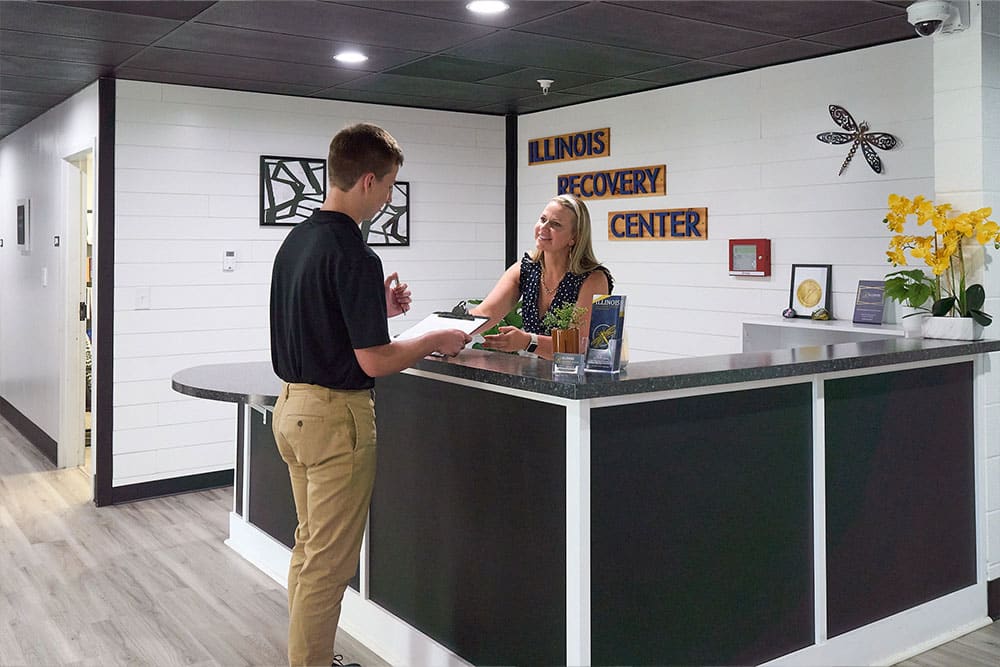
Why Choose Illinois Recovery Center?
Finding the right treatment provider is an important part of recovery. Illinois Recovery Center offers personalized care that addresses both addiction and mental health. We aim to help clients build a strong foundation for lasting change.
Every treatment plan is developed around the individual’s needs, goals, and progress throughout recovery.
The facility is accredited by The Joint Commission, reflecting its commitment to high standards of quality and patient safety.
Clients receive care from an experienced clinical team in a welcoming environment that supports healing and personal growth. Amenities such as a fitness center encourage healthy routines that complement evidence-based treatment.
Illinois Recovery Center works with many insurance providers, including Medicaid, TRICARE, military insurance, and many private health insurance plans. Private pay options are also available for those who need them.
If you or someone you care about is looking for addiction treatment near Caseyville, professional help is available. With compassionate care, proven therapies, and ongoing support, recovery is possible, and every step forward is a step toward a healthier future.