

Illinois averages one alcohol-related death for every 1,658 adults, or 6.03 deaths per 10,000 people aged 18 and older. Nearly 69% of those lives are male, and 62% of deaths stem from chronic conditions, such as Alcohol Use Disorder.
These deaths rarely stem from accidents or isolated incidents. Instead, they happen due to years of a disease left without proper treatment. Behind each number is a family, a community, a person who deserved better care and better access to it.
At Illinois Recovery Center in Swansea, that help is closer than you think. Not only that, but it’s evidence-based, accredited, and built specifically for Southern Illinois.
What Makes Alcohol Addiction Different
Most people don’t realize how dangerous alcohol withdrawal can be. Unlike other substances, stopping alcohol abruptly can trigger life-threatening complications.

Seizures, severe dehydration, and a condition called delirium tremens are all real risks. This is why detoxing from alcohol at home is never recommended.
Willpower has nothing to do with it. Alcohol Use Disorder is a chronic medical condition. It changes brain chemistry, disrupts the body’s natural balance, and creates genuine physical dependence. Treating it requires clinical oversight, not just sheer determination.
Medical detox provides a supervised environment where withdrawal is managed safely. A team monitors your vital signs. They also use medications to reduce discomfort and prevent complications. Patients are never left to manage symptoms alone.
This level of care is necessary. For many people, medically supervised detox is the first safe step they’ve ever taken toward recovery.
Who We Are: Illinois Recovery Center
Illinois Recovery Center is located at 1450 Caseyville Avenue in Swansea, Illinois. The center was founded in 2023 by Eric Conley and Jakob Miller with a focused mission.
That mission is to provide ethical, evidence-based addiction treatment to Southern Illinois communities. As such, IRC isn’t just a general wellness retreat. Instead, it’s a dedicated substance use disorder treatment facility.
Every program, every staff hire, and every clinical decision we make reflects that focus. Families across St. Clair County and the surrounding region have access to residential care without traveling far from home. Recovery with us doesn’t require uprooting your entire life.
Our Accreditations
Illinois Recovery Center holds accreditation from The Joint Commission, known as JCAHO. This is one of the most respected quality and safety evaluations in American healthcare.
IRC is also LegitScript-certified. LegitScript certification confirms transparency, compliance, and legitimate operations in addiction treatment.
These accreditations aren’t handed out easily. They require documented evidence of ethical practices and patient safety standards.
For families searching for a trustworthy facility, these are meaningful markers. They show you that you can trust IRC with your loved ones’ well-being and health.
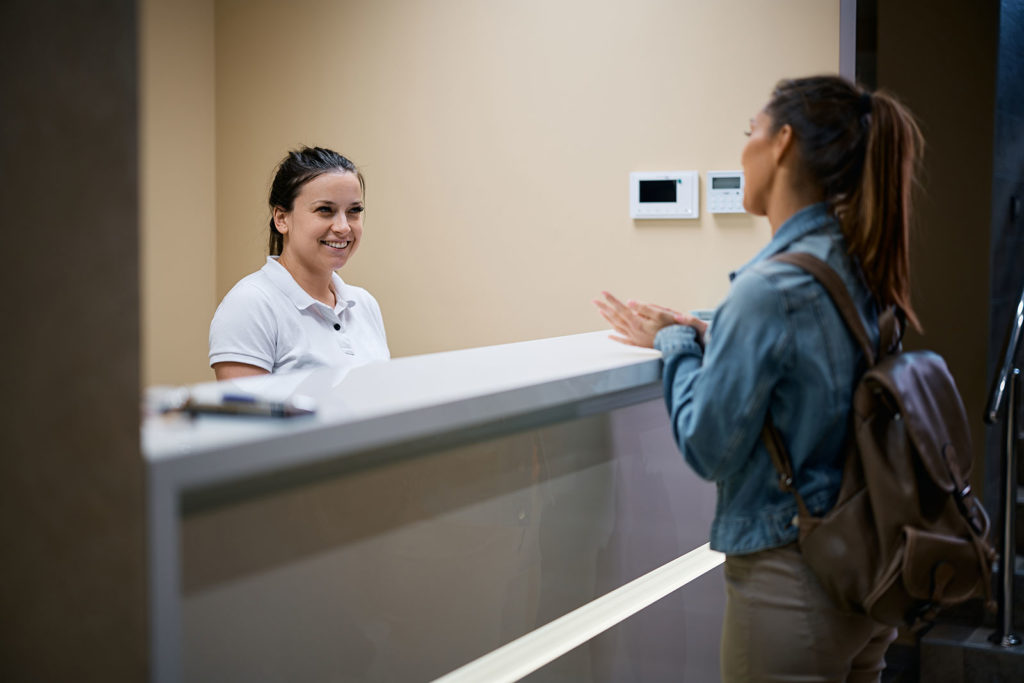
The Clinicians, Nurses, and Counselors Who Will Care for You
When you arrive at IRC, you’re in experienced hands from day one. Let’s meet the multidisciplinary teams behind your care.
Clinical & Nursing Leadership
Alyce Enloe, MA, LCPC, serves as Clinical Director with over 30 years in counseling and behavioral health. She ensures your treatment plan is both evidence-based and emotionally responsive.
Katie Krueger, FNP-BC, leads nursing as Director of Nursing with 14 years in emergency medicine and addiction care. She handles medical assessments, medication-assisted treatment, and keeps a close eye on how you’re doing.
Britany Wildermuth, LPN, and Molly Conley, ADON, support daily nursing care. They’re often the first faces you see in the morning.
Therapy & Counseling Team
Recovery mostly happens in conversation. Barb Laidlaw, LCPC, specializes in addiction and trauma recovery. She uses EMDR, hypnotherapy, and Reality Therapy to help you work through what sits beneath the surface.
Kevin Bunten, LCPC, brings over 20 years of experience and leads the Family Therapy Program. He understands that alcohol addiction affects everyone around you, not just you.
Jeff Brenneman, LCSW, oversees outpatient services with 26 years of experience. He uses CBT, DBT, and trauma-informed care to help your progress carry forward after residential treatment ends.
Admissions & Outreach
Asking for help is hard. Angie Isam, Director of Admissions, understands that personally. She draws on her own recovery journey to make your first conversation feel safe and pressure-free.
Jake Dunavant, Senior Outreach Coordinator, and Nathaniel Carpenter, Director of Marketing and Outreach, both bring lived experience to their roles. They help connect people with the right information and the appropriate level of care.

How Alcohol Addiction Treatment Actually Works Here
Knowing what to expect makes the first step easier. At IRC, treatment follows a clear, structured pathway. It moves from medical stabilization all the way through to aftercare planning. Here’s what that looks like:
Detox & Stabilization
Treatment at IRC begins with a thorough clinical assessment. If medically necessary, you’ll start with supervised detox. This means your withdrawal symptoms are monitored and managed by nursing staff around the clock.
You won’t go through it alone. The goal is to get you stable, safe, and ready to engage in the work ahead.
Residential Programming
Once stabilized, you move into structured residential care. Most stays range from 30 to 90 days, depending on your needs. Each day includes individual therapy, group sessions, and educational workshops focused on relapse prevention.
Modalities, such as CBT, DBT, and EMDR, are included in your personalized treatment plan. Co-occurring conditions, including anxiety, depression, and trauma, are treated alongside addiction. Your plan is reviewed and adjusted regularly as you progress.
Outpatient & Aftercare
Recovery doesn’t stop when residential treatment ends. IRC offers flexible outpatient programming to help you maintain momentum. Group sessions are available mornings and evenings throughout the week.
Jeff Brenneman and the outpatient team ensure the progress you made in residential care carries forward. Discharge planning begins early, so you leave with a clear, realistic path ahead.
Is Residential Alcohol Treatment Right for You?
Outpatient care works well for some people. But alcohol addiction often requires more than weekly appointments. As such, residential treatment may be the right level of care if you recognize yourself in any of the following:
- You’ve tried to cut back or stop before, but couldn’t maintain it.
- You’ve been through outpatient treatment but relapsed shortly after.
- Your drinking has started affecting your health, your relationships, or your ability to work.
- You’re dealing with anxiety, depression, or trauma alongside your drinking.
- You simply know that your home environment makes it harder, not easier, to stay sober.
Residential treatment removes you from all those pressures. It gives you structured days, consistent clinical support, and time to focus entirely on recovery.
Still unsure whether residential is the right fit? The IRC admissions team can help you figure that out before you commit to anything. Here, admissions decisions are always guided by a clinical assessment.
Outpatient Care That Keeps You Connected After Recovery
Residential treatment is only the beginning. Our outpatient program grants you a structured way to stay connected to care after discharge.
For instance, group sessions run mornings and evenings throughout the week, fitting around work and family commitments. You stay accountable and keep building coping skills. You also get the chance to maintain the relationships you formed during residential treatment.
Remember: You won’t be placed in a level of care that doesn’t match your needs. The goal is to give you the necessary support before it’s too late.

What People Say After Leaving IRC
Accreditations and credentials matter. But so does hearing from people who have actually been through the doors. IRC has earned strong recognition across independent platforms, and the feedback speaks for itself.
Directory Ratings
Illinois Recovery Center holds a 5.0 rating on Recovery.com across hundreds of user reviews. Alcohol.org also lists IRC with a 5.0 rating from more than 300 reviews. The center is also listed and verified on Psychology Today’s treatment directory as well.
Patient Voices
The words former clients use say a lot about what IRC actually feels like from the inside. One said, “IRC has been an amazing experience, and the entire staff is extremely passionate about helping people treat their addiction.”
Another former patient shared a review just as meaningful: “This place literally changed my life. Genuine people who care and want to help from personal experience.”
A final reviewer captured both the facility and its community impact in a single statement: “To all the owners and investors that turned this tired property into a beautiful and updated facility to help others — this is truly what this area needed.”
Using Insurance to Cover Your Treatment
Cost shouldn’t stand between you and recovery. Understanding your coverage before you call can make the whole process feel less overwhelming.
Federal and Illinois Protections
The Affordable Care Act (ACA) requires insurance plans to cover substance use disorder treatment as an essential health benefit. Illinois, with its own State Parity Laws, grants the community further levels of care.
These expand coverage requirements to nearly all health plans in the state. They also require insurers to cover things like opioid antagonists and acute stabilization services. So don’t worry; the law is on your side.
Insurers We Work With
IRC works with many major insurance providers, including Aetna, Cigna, Humana, Anthem, Blue Cross Blue Shield, Magellan, and Beacon Health Options, among others.
The admissions team verifies your insurance before treatment begins, so there are no surprises. If you’re unsure what your plan covers, however, call IRC, and we’ll walk you through it at no cost.

Why Healing Close to Home Matters
Distance from home can feel like a barrier. For many people in Southern Illinois, it has been. To combat this challenge, IRC offers its services all across the Swansea area. Being close to home means your family can be part of your recovery when it’s clinically appropriate.
It means the transition back into your daily life after treatment isn’t so complicated either. More importantly, it means that aftercare and outpatient services are accessible once residential treatment ends.
Remember that healing can’t happen while you’re isolated. Having your support system nearby, without being overwhelmed by familiar triggers, will make a real difference in long-term recovery outcomes.
Final Thoughts
Alcohol addiction is serious. But it is treatable, and you don’t have to figure it out alone.
Illinois Recovery Center in Swansea brings together accredited, evidence-based care and a team that genuinely wants to see you recover.
From your first call to your last day of treatment, you’ll be supported every step of the way. Our admissions specialists are available to you 24 hours a day. We’ll verify your insurance, answer your questions, and help you take the first step. Reach out to our team today.