


Benzodiazepines can be highly effective medications when used as prescribed, helping people manage anxiety, panic disorders, insomnia, and certain seizure conditions. However, prolonged use can lead to physical dependence, and for some individuals, addiction.
When that happens, stopping on your own can be difficult, and in some cases, dangerous. If you or someone you love is struggling with benzodiazepine misuse, professional treatment can provide a safer path forward.
At Illinois Recovery Center, we offer comprehensive benzodiazepine addiction treatment that addresses both the physical and psychological aspects of recovery. Through personalized treatment, our team helps individuals build the foundation for lasting recovery.

Understanding Benzodiazepine Addiction
Benzodiazepines are a class of prescription medications that affect the central nervous system.
Common benzodiazepines include:
- Xanax (alprazolam)
- Klonopin (clonazepam)
- Ativan (lorazepam)
- Valium (diazepam)
- Restoril (temazepam)
Benzodiazepines work by boosting the activity of gamma-aminobutyric acid (GABA), the brain’s main calming neurotransmitter, which is why they’re effective for anxiety, panic disorder, seizures, and insomnia.
The problem is that the brain adapts to this constant boost. Within weeks to months of regular use, it down-regulates its own GABA activity to compensate.
That adaptation is what creates physical dependence, and dependence is what makes stopping abruptly so risky: the brain is left under-equipped to handle excitatory signals it used to dampen on its own.
Addiction, as opposed to simple dependence, develops when someone starts taking more than prescribed, combining benzos with alcohol or opioids, or using them to chase the calming effect rather than manage a diagnosed condition.
Healthcare providers may prescribe these medications for anxiety disorders, panic attacks, insomnia, seizure disorders, muscle spasms, and other conditions.
While they can be beneficial when used appropriately, benzodiazepines are generally intended for short-term use due to the risk of dependence.
Over time, the body can become accustomed to the presence of the medication. This process, known as tolerance, may cause individuals to need higher doses to achieve the same effects.
As tolerance increases, physical dependence can develop, making it difficult to stop taking the medication without experiencing withdrawal symptoms.
Dependence and addiction are not always the same thing. A person can become physically dependent on a prescribed medication without engaging in compulsive drug-seeking behavior.
However, dependence can increase the risk of addiction, particularly when medications are misused or taken outside of a physician’s instructions.
In 2023, there were approximately 10,870 drug overdose deaths involving benzodiazepines nationally. Illicit benzos and polysubstance use have complicated the picture, with significant increases in related ED visits.
These numbers highlight why professional treatment is essential. Abrupt cessation (“cold turkey”) can be life-threatening due to seizure risk and other complications.

Signs You May Need Professional Help
Recognizing the signs of benzodiazepine addiction is often the first step toward recovery. Because these medications are commonly prescribed by medical professionals, many individuals do not immediately recognize when their use has become problematic.
Some common warning signs include:
Physical Signs
- Needing higher doses to achieve the same effect
- Drowsiness or excessive fatigue
- Dizziness or poor coordination
- Slurred speech
- Memory problems
- Persistent headaches
Behavioral Signs
- Running out of prescriptions early
- Visiting multiple providers to obtain additional medication
- Taking larger doses than prescribed
- Continuing use despite negative consequences
- Withdrawing from family, work, or social activities
Psychological Signs
- Increased anxiety between doses
- Strong cravings for the medication
- Difficulty functioning without benzodiazepines
- Irritability or mood changes
- Fear of stopping due to withdrawal symptoms
If these signs sound familiar, seeking professional treatment early can help prevent more serious complications from developing.

Why Benzodiazepine Withdrawal Can Be Dangerous
Many substances cause uncomfortable withdrawal symptoms, but benzodiazepines are unique because withdrawal can sometimes become medically serious.
As the body adapts to the presence of benzodiazepines, the brain begins relying on the medication to maintain balance. When use suddenly stops, the central nervous system can become overstimulated, leading to potentially severe symptoms.
Common withdrawal symptoms include:
- Anxiety and panic attacks
- Insomnia
- Restlessness
- Sweating
- Tremors
- Nausea
- Difficulty concentrating
- Increased heart rate
- Heightened sensitivity to light and sound
In more severe cases, withdrawal may involve:
- Hallucinations
- Severe confusion
- Psychosis
- Seizures
The risk of severe withdrawal varies depending on factors such as dosage, length of use, the specific medication involved, and an individual’s overall health.
This is why addiction specialists generally discourage abruptly stopping benzodiazepines without medical supervision. A carefully monitored withdrawal process can significantly reduce risks and improve comfort throughout detox.
According to guidance from the American Society of Addiction Medicine (ASAM), benzodiazepines generally should not be discontinued abruptly in individuals who have developed physical dependence.
A carefully planned tapering strategy and appropriate medical oversight can help reduce withdrawal risks and improve patient safety. Actually, rapid tapering failed to achieve any improvement in 32% to 42% of patients, with 90% of them going through harsh withdrawal.
Likewise, federal agencies such as the National Institute on Drug Abuse (NIDA) have highlighted the dangers associated with benzodiazepine misuse, particularly when these medications are combined with opioids, alcohol, or other central nervous system depressants.
Can You Detox From Benzos at Home?
Many people consider stopping on their own before seeking professional treatment. While this may seem appealing, self-detox can present significant risks.
One of the challenges of benzodiazepine withdrawal is that symptoms do not always follow a predictable pattern. Some individuals experience mild discomfort, while others develop severe symptoms that require immediate medical attention.
Attempting to detox alone may increase the risk of:
- Relapse
- Medical complications
- Severe anxiety or panic
- Dehydration
- Injury during seizures
- Delayed emergency treatment
Professional detox provides a structured environment where medical professionals can monitor symptoms, adjust care plans as needed, and help ensure safety throughout the withdrawal process.
For many individuals, medical supervision offers peace of mind during what can otherwise be an overwhelming experience.

Our Approach to Benzodiazepine Detox
At Illinois Recovery Center, detox is more than simply helping someone stop using a substance. It is the first stage of a comprehensive recovery plan designed to support long-term success.
Every individual’s situation is different. Someone who has been taking a low-dose prescription for several months may require a very different approach than someone who has used high doses for years. Because of this, treatment begins with a thorough assessment.
During the admissions and evaluation process, our team reviews:
- Medical history
- Substance use history
- Current medications
- Mental health concerns
- Previous treatment experiences
- Individual recovery goals
Using this information, we develop a personalized treatment plan that prioritizes safety, comfort, and long-term recovery.
Medical Detox and Taper Protocol at Illinois Recovery Center
This is the stage where having an actual clinical plan matters most, so here’s specifically what it involves.
When you’re admitted, our clinical team starts with a full medical and psychiatric evaluation: which benzodiazepine, what dose, how long you’ve used it, what else is in the picture (alcohol, opioids, anxiety or mood disorders), and any health conditions that affect how your taper should be paced.
From there, we build an individualized tapering schedule rather than a fixed timeline, in line with the American Society of Addiction Medicine’s national benzodiazepine tapering guideline, the first multi-society clinical standard of its kind.
In practice, that typically means reducing the daily dose by roughly 5–10% every one to two weeks, sometimes slower for long-term or high-dose use, with the rate adjusted up or down based on how you’re tolerating each step.
For people on short-acting benzos, we may first cross-taper to a longer-acting equivalent like diazepam, which produces smoother, more predictable blood levels and lowers the seizure risk that comes with sharp peaks and troughs.
Throughout the taper, you’re monitored around the clock by our nursing and clinical staff, including board-certified nurse practitioners with emergency medicine backgrounds.
They are on the lookout for the early warning signs of complications: rising heart rate, blood pressure changes, escalating anxiety, or anything suggesting a seizure is building.
When symptoms intensify, we can use symptom-targeted medications, such as anticonvulsants or other adjuncts, to ease the discomfort without simply substituting one dependence for another.
For some people, especially those tapering from a long-term, high-dose prescription, this medically supervised process takes weeks. For others, it extends over several months, often continuing in a less intensive setting once the highest-risk phase has passed.
Illinois Recovery Center is licensed by the Illinois Department of Human Services for withdrawal management (detox level 3.7) and holds accreditation from The Joint Commission, the gold-standard accrediting body for behavioral healthcare quality and patient safety, along with LegitScript certification for transparency and compliance.
Those aren’t just badges. They reflect outside verification that our protocols meet the standard this guideline describes.
Detox Is Only the Beginning
One of the most common misconceptions about addiction treatment is that detox alone is enough to achieve lasting recovery.
Detox addresses physical dependence, but it does not address the underlying factors that contribute to substance use. Without continued treatment, individuals may remain vulnerable to relapse when faced with stress, anxiety, trauma, or other challenges.
For this reason, recovery often continues through a combination of therapeutic services, behavioral health treatment, and ongoing support.
At Illinois Recovery Center, clients have access to multiple levels of care that allow treatment to evolve alongside their progress. This continuum of care helps individuals build the skills, confidence, and support systems needed for long-term success.

Evidence-Based Therapy for Benzo Addiction
While detox helps manage physical withdrawal, therapy helps individuals understand and address the thoughts, emotions, and behaviors that contribute to substance use.
Effective benzodiazepine addiction treatment focuses on the whole person rather than the substance alone.
At Illinois Recovery Center, treatment plans may include a combination of evidence-based therapies tailored to each client’s unique needs.
Individual Therapy
One-on-one counseling provides a private space to explore the challenges that may have contributed to benzodiazepine misuse. Individuals can work with a therapist to identify triggers, develop healthy coping strategies, and create realistic goals for recovery.
Cognitive Behavioral Therapy (CBT)
Cognitive Behavioral Therapy is one of the most widely used approaches in addiction treatment. CBT helps individuals recognize unhelpful thought patterns and behaviors that may fuel substance use.
By learning new ways to respond to stress, anxiety, and difficult emotions, clients can develop healthier coping mechanisms that support long-term recovery.
Group Therapy
Addiction can often feel isolating. Group therapy creates opportunities to connect with others who understand the recovery journey firsthand.
These sessions encourage peer support, accountability, and shared learning while helping individuals build communication and interpersonal skills.
Family Therapy
Substance use disorders often affect entire families. Family therapy can help rebuild trust, improve communication, and educate loved ones about addiction and recovery.
When family members understand the recovery process, they are often better equipped to provide meaningful support throughout treatment and beyond.
Treating Co-Occurring Mental Health Disorders
Many individuals who struggle with benzodiazepine addiction originally began taking the medication to manage a legitimate mental health concern.
Anxiety disorders, panic disorder, insomnia, post-traumatic stress disorder (PTSD), and depression are all commonly associated with benzodiazepine use.
When these underlying conditions remain untreated, recovery can become more difficult.
For example, a person who relied on Xanax to manage severe anxiety may continue to experience anxiety symptoms after detox. Without appropriate mental health treatment, the temptation to return to benzodiazepine use may remain strong.
This is why dual diagnosis treatment is such an important component of comprehensive addiction care.
Dual diagnosis treatment addresses both substance use disorders and co-occurring mental health conditions at the same time. Rather than viewing addiction and mental health as separate issues, this integrated approach recognizes how closely they are connected.
By treating the whole person, clients can gain a deeper understanding of their challenges and develop healthier ways to manage symptoms without relying on substances.

Levels of Care at Illinois Recovery Center
Recovery is not a one-size-fits-all process. Some individuals require intensive support in a structured environment, while others may benefit from a flexible outpatient program that allows them to maintain certain responsibilities at home or work.
Illinois Recovery Center offers multiple levels of care designed to meet individuals wherever they are in their recovery journey.
Residential Treatment
Residential treatment provides a highly structured environment where clients can focus entirely on recovery. During inpatient treatment, individuals receive around-the-clock support while participating in therapy, educational programming, and recovery-focused activities.
This level of care is often recommended for those with severe substance use disorders, complex mental health needs, or a history of relapse.
Partial Hospitalization Program (PHP)
A Partial Hospitalization Program offers intensive treatment while allowing for greater independence than residential care. Clients participate in structured programming during the day and return to approved housing arrangements during non-treatment hours.
PHP can serve as a step down from residential treatment or as an appropriate starting point for some individuals.
Intensive Outpatient Program (IOP)
An Intensive Outpatient Program provides comprehensive therapeutic support while allowing clients to continue managing work, school, or family responsibilities.
Individuals attend scheduled treatment sessions throughout the week while practicing recovery skills in their daily lives. For many people, IOP serves as an important bridge between higher levels of care and independent recovery.
Outpatient Treatment
Outpatient services provide ongoing support for individuals who have progressed through more intensive levels of care or who require a lower level of treatment.
These services help clients maintain accountability, strengthen coping skills, and continue working toward long-term recovery goals.
Building a Foundation for Long-Term Recovery
Successful recovery extends far beyond the initial weeks of treatment. Long-term sobriety often requires ongoing effort, support, and personal growth.
At Illinois Recovery Center, we help clients develop practical tools that support recovery long after formal treatment ends.
Relapse prevention planning may include:
- Identifying personal triggers
- Developing healthy stress-management techniques
- Building a strong support network
- Creating structured daily routines
- Strengthening communication skills
- Establishing healthy boundaries
- Developing plans for managing future challenges
Recovery is not about achieving perfection. It is about learning how to navigate life’s challenges without returning to substance use.
By helping individuals build confidence and resilience, ongoing recovery planning can make a meaningful difference in long-term outcomes.
Why Choose Illinois Recovery Center for Benzo Addiction Treatment?
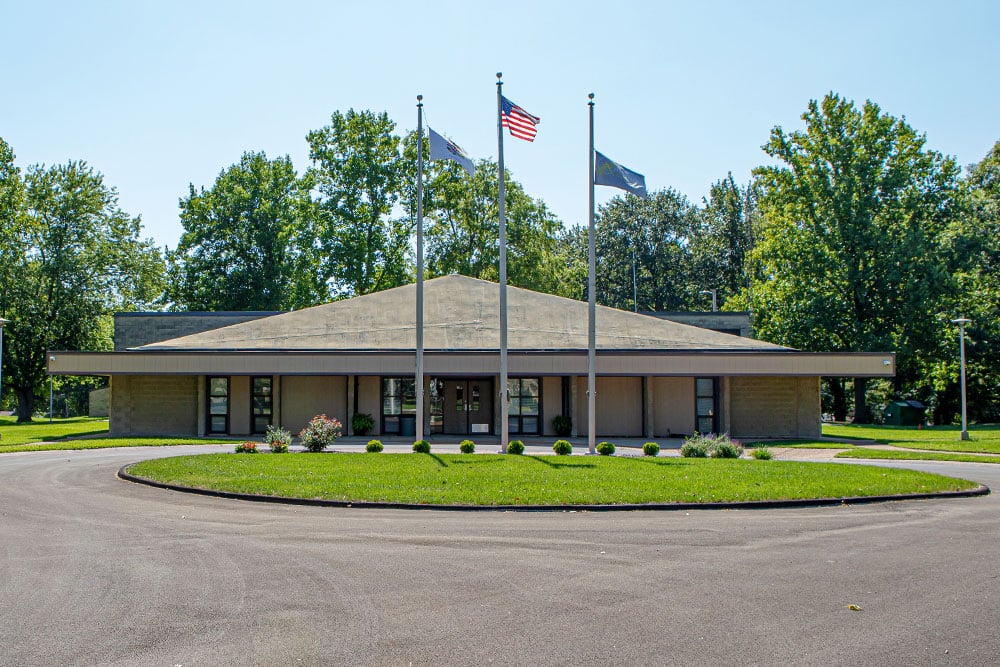
Located on a 12-acre campus in Swansea, we serve the Metro East and greater St. Louis region with a team that includes licensed clinical professional counselors and nurses with decades of combined experience in addiction medicine.
We’re listed as a verified provider on FindTreatment.gov, SAMHSA’s national treatment locator, and we work with most major insurance plans, with quick verification available before you commit to anything.
Most importantly, our detox and residential programs are built around the idea that benzodiazepine withdrawal is a medical event that deserves a medical response, not a willpower test.
Accredited and Trusted Care
Illinois Recovery Center is accredited by The Joint Commission, one of the most respected healthcare accrediting organizations in the United States.
Joint Commission accreditation requires facilities to undergo comprehensive evaluations of patient safety practices, quality standards, leadership, clinical operations, and treatment protocols.
This independent review process helps ensure that clients receive care that meets nationally recognized standards.
We are also LegitScript-certified, demonstrating our commitment to transparency, ethical practices, compliance, and responsible addiction treatment services.
A Team of Experienced Addiction Professionals
Our clinical leadership team includes professionals with decades of experience in addiction treatment, mental health counseling, trauma-informed care, family therapy, behavioral health, and recovery support.
This depth of expertise allows us to address not only substance use disorders but also the underlying challenges that often contribute to addiction.
Individualized Treatment for Lasting Recovery
We understand that benzodiazepine addiction affects people differently. Some individuals develop dependence after taking a prescription medication exactly as directed, while others struggle with long-term misuse or multiple substance use disorders.
Rather than applying a one-size-fits-all approach, we develop individualized treatment plans that consider each client’s medical history, mental health needs, substance use patterns, and recovery goals.
Our integrated approach helps ensure that treatment addresses the whole person, not just the addiction.
Comprehensive Care Across the Recovery Journey
Recovery often involves more than one phase of treatment. Illinois Recovery Center provides a full continuum of care, including medical detox, residential treatment, partial hospitalization (PHP), intensive outpatient programming (IOP), outpatient services, and aftercare support.
This allows clients to move through different levels of care as their needs evolve while maintaining continuity throughout the recovery process.
Compassion, Respect, and Hope
Addiction can leave people feeling defeated, isolated, or judged. At Illinois Recovery Center, we believe every person deserves to be treated with dignity and respect.
Our philosophy is rooted in the belief that recovery is possible and that individuals can rebuild meaningful, healthy lives with the right support and guidance.
From the moment you contact our team, you’ll find a treatment environment focused on encouragement, accountability, and lasting healing.

Start Benzo Addiction Treatment in Illinois Today
Benzodiazepine addiction can affect every aspect of life, from physical health and emotional well-being to relationships, work, and personal goals. While the challenges may feel overwhelming, recovery is possible with the right support.
If you or someone you love is struggling with Xanax, Ativan, Klonopin, Valium, or another benzodiazepine, professional treatment can help you take the next step toward healing.
At Illinois Recovery Center, we provide comprehensive care designed to support individuals through detox, treatment, and long-term recovery. Our experienced team understands the complexities of benzodiazepine addiction and is here to help you find a path forward.
Contact Illinois Recovery Center today to learn more about our benzodiazepine addiction treatment programs and begin your recovery journey.
Frequently Asked Questions About Benzo Addiction Treatment
Can benzodiazepine withdrawal be life-threatening?
How long does benzo withdrawal last?
What is the most effective treatment for benzodiazepine addiction?
Does insurance cover benzodiazepine addiction treatment?
When should someone seek professional help for benzo addiction?
Can anxiety be treated without benzodiazepines?