


Recovery doesn’t always require stepping away from daily life. For many people suffering from addiction, outpatient treatment offers the structure and clinical support needed to heal while maintaining work, family, and community ties.
At Illinois Recovery Center (IRC) in Swansea, Illinois, outpatient programming provides evidence-based care through a team you can trust. With Joint Commission (JCAHO) accreditation and LegitScript certification, IRC meets the national standards for safety and clinical excellence.
Led by experienced professionals, including Clinical Director of Outpatient Services, Jeff Brenneman, LCSW, and supported by specialists with decades of combined expertise, the center delivers compassionate outpatient care grounded in proven therapeutic approaches.

Outpatient Treatment: What It Is and How It Can Help You
Outpatient treatment allows people battling addiction to receive professional care while living at home. Unlike residential programs, outpatient services don’t require you to stay at a facility overnight or leave your daily life behind.
Instead, you attend scheduled therapy sessions throughout the week and return home afterward. Such flexibility makes outpatient care ideal for those who need structure but can’t step away from work or family.
Outpatient treatment acts as a bridge between intensive inpatient treatment and full independence in recovery. At its core, outpatient treatment offers evidence-based therapy in a supportive clinical environment.
However, it gives you the freedom to apply what you learn in real-world settings immediately. Using this approach, you can practice coping skills, navigate triggers, and build resilience while maintaining your regular routine.
For many individuals, outpatient care also serves as a crucial step in long-term recovery. Whether you’re beginning your journey or transitioning from a higher level of care, outpatient programming delivers the critical support necessary for sustainable healing.

Who Benefits from Outpatient Treatment?
Outpatient treatment isn’t the right fit for everyone, but it can be transformative for the right individuals.
This level of care works best for people with mild to moderate substance use disorders who are ready to engage in recovery. Additionally, it serves those who have completed residential treatment and need continued support as they reintegrate into daily life.
The following groups of people find outpatient care particularly beneficial:
- Individuals stepping down from higher levels of care who have completed residential or partial hospitalization programs
- People with strong support systems at home, including family members who can encourage and support their recovery journey
- Those who need structured accountability, but can safely manage triggers and cravings outside of 24/7 supervision
- Individuals balancing work, school, or family obligations who cannot commit to full-time residential treatment
- People without co-occurring severe mental health conditions that would require more intensive psychiatric monitoring and support
Further, outpatient treatment benefits those who have not achieved lasting recovery through less structured approaches alone. Many people find that outpatient programming provides the clinical structure they need without completely disrupting their lives.
At Illinois Recovery Center, clinical assessments determine whether outpatient care aligns with your specific needs and safety. Rather than making assumptions, the admissions team evaluates each person individually to ensure proper placement.
Note: Our personalized approach helps match you with the level of care that supports your best chance at recovery.
Why Choose Outpatient Care
1. Flexibility and Convenience
Outpatient treatment allows you to maintain your daily responsibilities while receiving professional addiction care and support.
You can continue working, attending school, or caring for family members throughout your recovery journey. Sessions are scheduled around your life, not the other way around, making treatment accessible and sustainable.
We know that this flexibility often makes the difference between seeking help and delaying recovery due to practical constraints.
2. Real-World Application
Unlike residential settings, outpatient care allows you to practice recovery skills in your living environment immediately. You face real triggers, deal with familiar stressors, and apply coping strategies in the moments that matter most.
Consequently, you build resilience and confidence in managing challenging situations without substances before treatment ends. This hands-on experience prepares you for long-term independence better than controlled environments alone can provide.
3. Cost-Effective Treatment
Outpatient programs typically cost significantly less than residential treatment because they don’t include room and board expenses.
Additionally, many insurance plans offer robust coverage for outpatient services, making this level of care financially accessible. Further, you avoid lost income from extended time away from work, which further reduces the financial impact.
Note: At IRC, the admissions team verifies your benefits upfront so you understand costs before beginning treatment.
4. Continuity of Support
Outpatient care provides ongoing professional guidance as you transition back to full independence in your community. Rather than an abrupt end to treatment, you receive gradual step-down support tailored to your progress.
Continued support also helps prevent relapse and consistently reinforces healthy patterns during vulnerable early recovery stages.

Illinois Recovery Center: Your Local Outpatient Provider
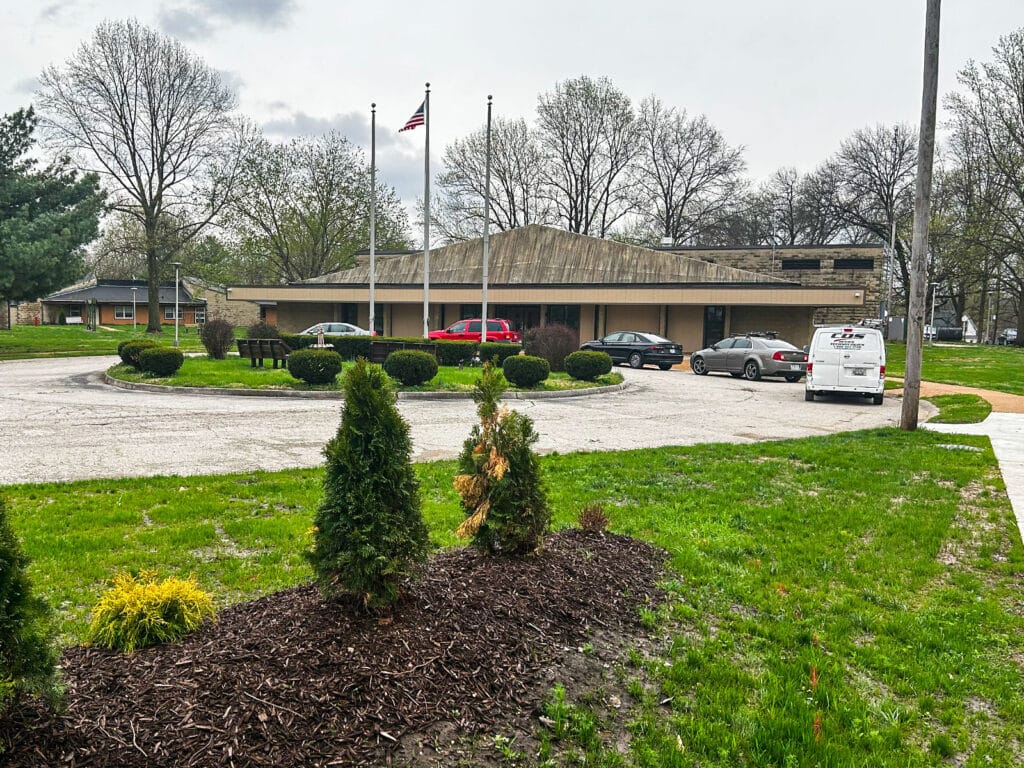
Illinois Recovery Center is a licensed addiction treatment facility located at 1450 Caseyville Avenue in Swansea, Illinois. Founded in 2023, the center was established with a clear mission: to provide ethical, evidence-based addiction treatment throughout Southern Illinois.
Rather than operating as a general wellness retreat, IRC focuses specifically on substance use disorder treatment and recovery. The center serves individuals and families throughout St. Clair County and the surrounding Metro East region.
As a locally based provider, IRC addresses addiction within the community without requiring families to travel far from home. This accessibility makes professional treatment available to those who might otherwise delay seeking help due to distance.
Our facility prioritizes patient dignity, safety, and individualized treatment planning in every program it offers. From initial contact through discharge planning, the center maintains a commitment to compassionate, clinically sound care that supports long-term recovery.
Clinical Standards and Accreditation
IRC operates under rigorous clinical standards that distinguish it from less regulated treatment providers.
For starters, the center holds accreditation from The Joint Commission (JCAHO), one of the most respected healthcare quality evaluations in the United States. This accreditation demonstrates that IRC meets national benchmarks for clinical excellence, patient safety, and continuous improvement.
Additionally, IRC maintains LegitScript certification, which confirms adherence to industry-recognized standards for transparency and legitimate healthcare operations.
For families researching outpatient treatment options, these validations provide necessary reassurance:
- JCAHO accreditation ensures the facility undergoes regular external reviews of clinical quality and risk management practices
- LegitScript certification verifies compliance with ethical treatment standards and legitimate operational protocols in addiction care.
- Ongoing quality assurance means the center’s programs are continuously evaluated and held to objective external standards.
Together, these accreditations signal that IRC operates at a level of professionalism and accountability that many facilities cannot demonstrate. Plus, they confirm that patient care is guided by evidence-based practices rather than profit-driven shortcuts.
The Clinical Team Behind Your Care
Leadership in Outpatient Services
Jeff Brenneman, LCSW, serves as Clinical Director of Outpatient Services at Illinois Recovery Center. With over 26 years of clinical experience, Jeff integrates multiple evidence-based approaches into patient care daily.
His expertise spans Dialectical Behavior Therapy (DBT), Cognitive Behavioral Therapy (CBT), motivational interviewing, and trauma-informed treatment modalities.
Consequently, patients receive comprehensive care that addresses both addiction and underlying mental health concerns simultaneously.
Clinical Oversight and Direction
Alyce M. Enloe, MA, LCPC, brings more than 30 years of counseling experience as IRC’s Clinical Director. Her trauma-informed perspective shapes treatment planning and ensures therapy responds to the emotional realities patients carry.
Additionally, Alyce’s extensive background helps maintain clinical quality across all programs while supporting the staff in delivering compassionate care.
Specialized Therapeutic Expertise
Kevin Bunten, LCPC, directs the Family Therapy Program with over 20 years of counseling experience. He understands that addiction affects entire family systems, not just individuals struggling with substance use.
As such, Kevin normally helps families rebuild trust, improve communication, and understand patterns that may have contributed to addiction.
Along with Kevin, Barb Laidlaw, LCPC, specializes in addiction and trauma recovery. She utilizes approaches such as EMDR, hypnotherapy, and Reality Therapy.
Her work focuses on helping patients process experiences that often underlie substance use patterns and develop emotional regulation.
Admissions and Support
Angie Isam, Director of Admissions, draws from her own recovery experience to guide individuals through the difficult first step. Her role involves educating families, verifying benefits, and making the admissions process feel manageable rather than overwhelming.
Similarly, the outreach team connects people with accurate treatment information and support resources throughout the community.
Outpatient Treatment Services at IRC

Evidence-Based Therapeutic Approaches
IRC’s outpatient programming integrates multiple therapeutic modalities to address the complex nature of addiction. Individual therapy sessions provide one-on-one time with licensed clinicians who use CBT and DBT.
These approaches help patients identify thought patterns, develop healthier coping mechanisms, and effectively manage difficult emotions.
Group and Family Support
Group therapy creates a community of peers who understand the challenges of recovery firsthand and share their experiences. These sessions foster accountability, help reduce isolation, and allow participants to learn from one another’s struggles and successes.
Meanwhile, family therapy addresses the relational dynamics that often contribute to or complicate addiction patterns in meaningful ways.
Comprehensive Clinical Support
Besides talk therapy, IRC offers medication-assisted treatment (MAT) when clinically appropriate for opioid or alcohol dependence management.
Case management services help coordinate resources, such as housing assistance, employment support, and legal referrals as needed.
Additionally, relapse prevention planning equips patients with concrete strategies to recognize warning signs and respond before situations escalate.
What to Expect in IRC’s Outpatient Program
Assessment and Individualized Planning
Your outpatient journey begins with a thorough clinical assessment conducted by experienced professionals who evaluate your specific needs.
In this initial evaluation, a team comprehensively examines your substance use history, mental health status, the strength of your support system, and your treatment goals.
Based on this information, the clinical team develops a personalized treatment plan tailored to your circumstances.
Flexible Scheduling Options
Outpatient sessions are scheduled to accommodate work, school, and family responsibilities without asking you to abandon your daily life. Most programs offer morning, afternoon, and evening time slots too, so you can choose what fits your schedule best.
Further, session frequency typically ranges from one to three times weekly, depending on clinical recommendations and your progress.
Ongoing Progress Monitoring
Throughout treatment, your clinical team regularly reviews your progress and adjusts your plan as circumstances change or goals evolve. This collaborative approach ensures that therapy remains relevant, effective, and responsive to your developing needs over time.
Ultimately, the program adapts to support you rather than forcing you into a rigid, one-size-fits-all framework.
Why You Should Trust IRC: National Listings and Patient Reviews
Illinois Recovery Center has earned consistent recognition from individuals and families who have experienced care firsthand.
On Google, the center maintains a 5.0-star rating based on over 324 verified reviews from actual patients. This external validation reflects the quality of clinical care, staff compassion, and treatment outcomes that IRC delivers daily.
Across multiple independent platforms, patients describe their experiences with specific details that highlight what makes IRC different. One reviewer noted that staff members genuinely care about each person’s recovery journey from leadership to clinical teams.
Another patient emphasized feeling well cared for and respected throughout treatment, recommending IRC to anyone facing addiction challenges. One patient even described IRC as: “…a beacon of hope in the prior wasteland of services that was the state of Illinois…”
In addition to Google reviews, Illinois Recovery Center is listed and verified on trusted national treatment directories, including:
- Psychology Today’s treatment directory for evidence-based addiction programs
- SAMHSA’s FindTreatment.gov locator as a federally recognized treatment provider
- StartYourRecovery.org for accessible treatment information
- Recovered.org with facility verification and patient resources
These directory listings help families research providers and confirm that IRC meets recognized standards for legitimate addiction treatment.
Supporting You Through Recovery: Insurance Coverage and Financial Aid
IRC works proactively to reduce financial barriers that prevent people from accessing necessary addiction treatment.
During the admissions process, the IRC team collects insurance information and verifies benefits before treatment begins. This upfront verification helps families understand copays, deductibles, and out-of-pocket costs so they can make informed decisions.
Many major insurance plans provide coverage for outpatient addiction treatment services, including therapy sessions and medication-assisted treatment.
Federal laws, such as the Affordable Care Act and Mental Health Parity regulations, require insurers to treat substance use disorders comparably to other medical conditions in coverage terms.
Specific coverage varies by individual plan, so IRC encourages prospective patients to contact admissions for free, confidential insurance verification. For those without insurance or with limited coverage, the admissions team can discuss alternative payment options to make treatment accessible.

Taking the First Step
Recovery begins with a single phone call. Illinois Recovery Center’s admissions team is available 24/7 to provide confidential assessments and answer your questions about outpatient treatment.
Don’t let addiction control your life any longer. Contact us today to learn how outpatient treatment in Swansea can support your journey to lasting recovery. Help is close to home, and hope is waiting.
Please note, Outpatient Programs for substance abuse are not currently offered on-site at Illinois Recovery Center. We do, however, have plans to integrate this treatment modality into our addiction care services in the near future.