


In the quiet suburbs of Illinois, where community ties run deep and life moves at a steady pace, the opioid crisis and other addictions still cast long shadows.
Since 2013, opioid related fatalities increased by more than 3000 %. With thousands of families affected each year, many people are seeking recovery. They need a safe, immersive space to heal.
That’s why residential inpatient treatment is needed. A structured, 24/7 environment that removes you from triggers and surrounds you with expert support. At Illinois Recovery Center (IRC) in Swansea, this level of care feels personal, compassionate, and genuinely life-changing.
If you’re ready for real recovery, help is close to home. Here’s why you should choose this rehab center, and what to expect when you get there.
Why Residential Addiction Treatment Matters
Addiction rarely pauses for convenience. It disrupts physical health, mental well-being, employment, and family relationships, often escalating when left untreated.

Residential addiction treatment provides a level of structure and supervision that outpatient programs cannot offer. By living on site, people suffering from addiction are removed from daily triggers and distractions while receiving continuous clinical support.
Residential care is often recommended for individuals with moderate to severe substance use disorders, those with co-occurring mental health conditions, or people who have not achieved sustained recovery through outpatient treatment alone.
Research consistently shows that longer, structured treatment stays are associated with improved outcomes, particularly when care is evidence-based and individualized.
Residential treatment at Illinois Recovery Center offers the space and focus many people need to fully engage in recovery. It’s located in the quieter setting of Swansea, away from major urban pressures, but fully accessible to families throughout Southern Illinois.
Who Benefits Most from Residential Addiction Treatment
Residential treatment is not a one-size-fits-all solution, but it can be life-saving for the right individuals. This level of care is often appropriate for people who:
- Have experienced repeated relapse despite outpatient care
- Require medical oversight during early recovery
- Have substance use and mental health challenges
- Need distance from environments that reinforce substance use
- Benefit from daily therapeutic structure and accountability
At Illinois Recovery Center, admissions decisions are guided by clinical assessments rather than assumptions, ensuring that each person is placed in a level of care that aligns with their safety and recovery needs.
Your Local Recovery Center
Illinois Recovery Center is a licensed addiction treatment facility located at 1450 Caseyville Avenue in Swansea, Illinois, serving individuals and families throughout St. Clair County and the surrounding region.
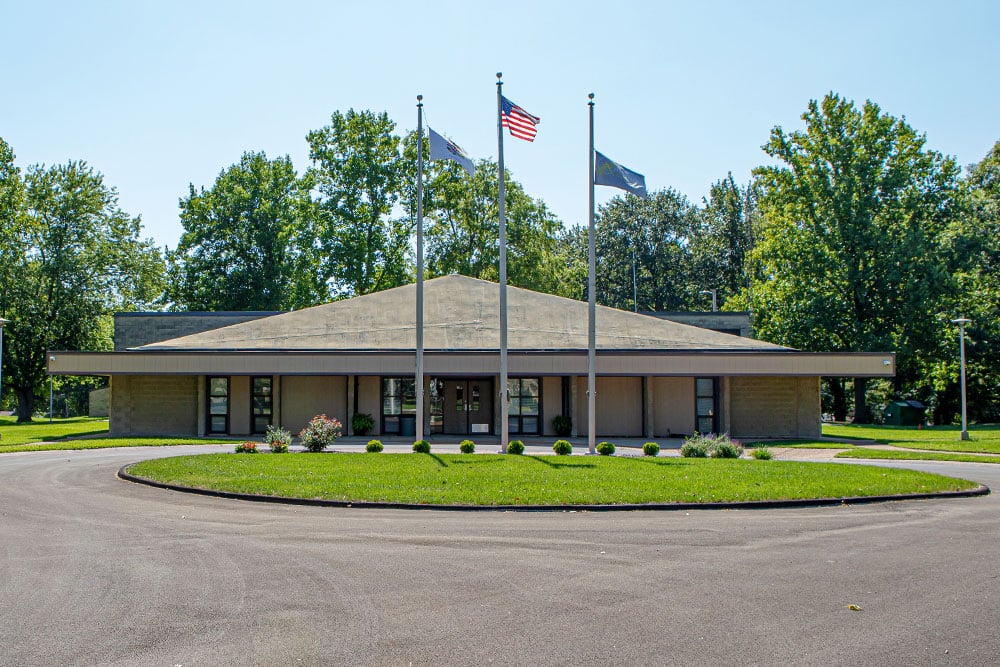
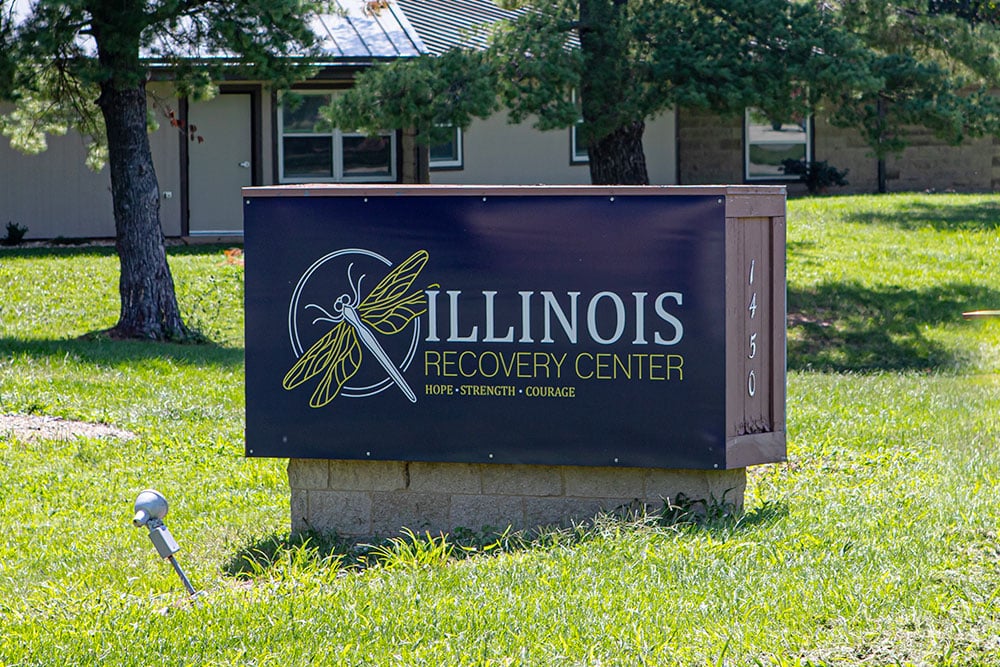
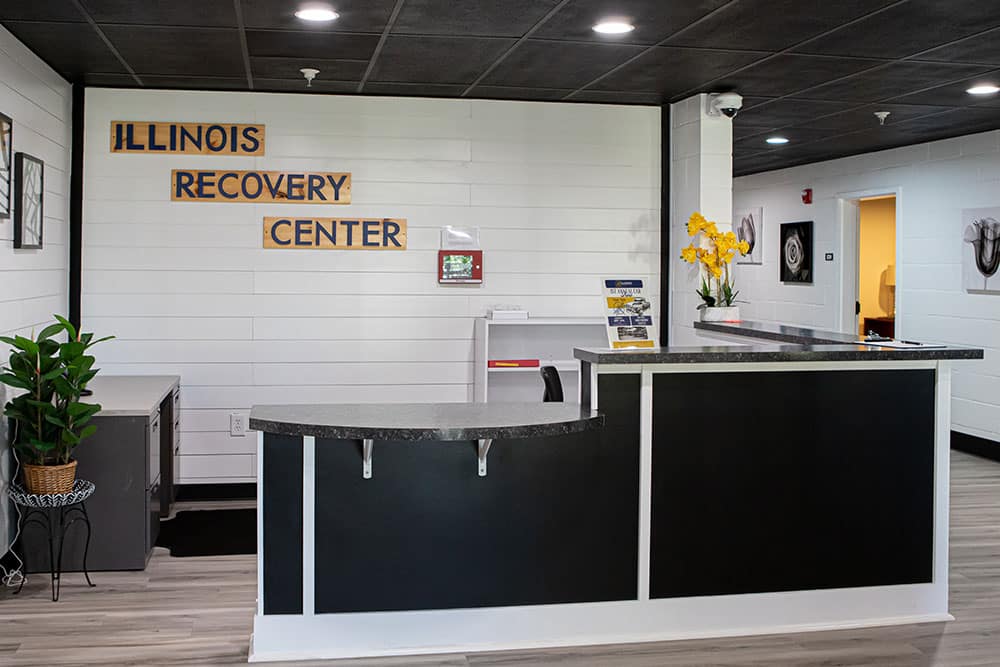
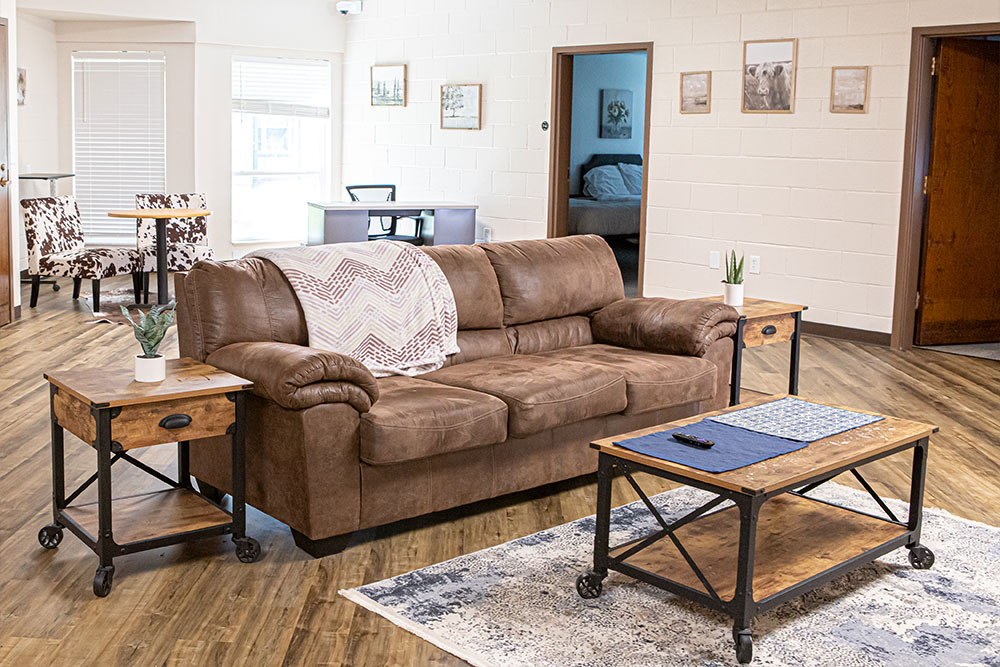
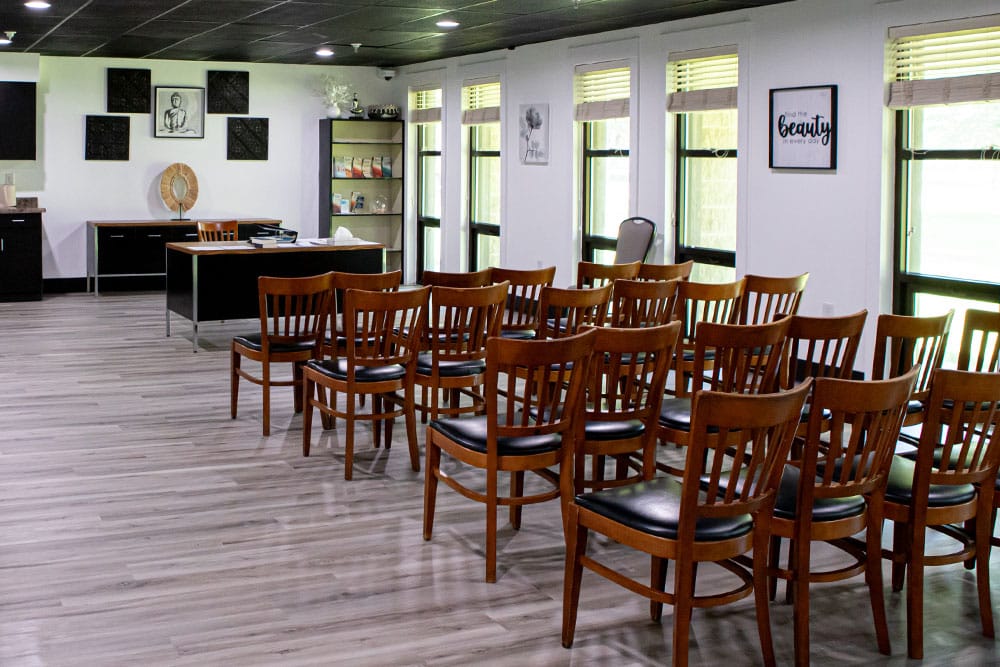

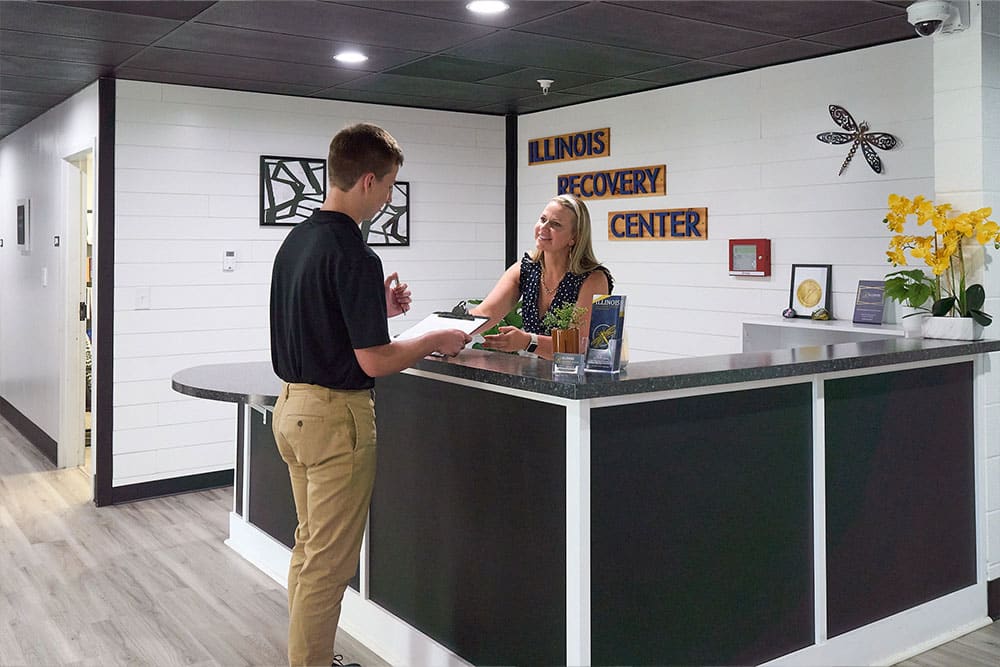
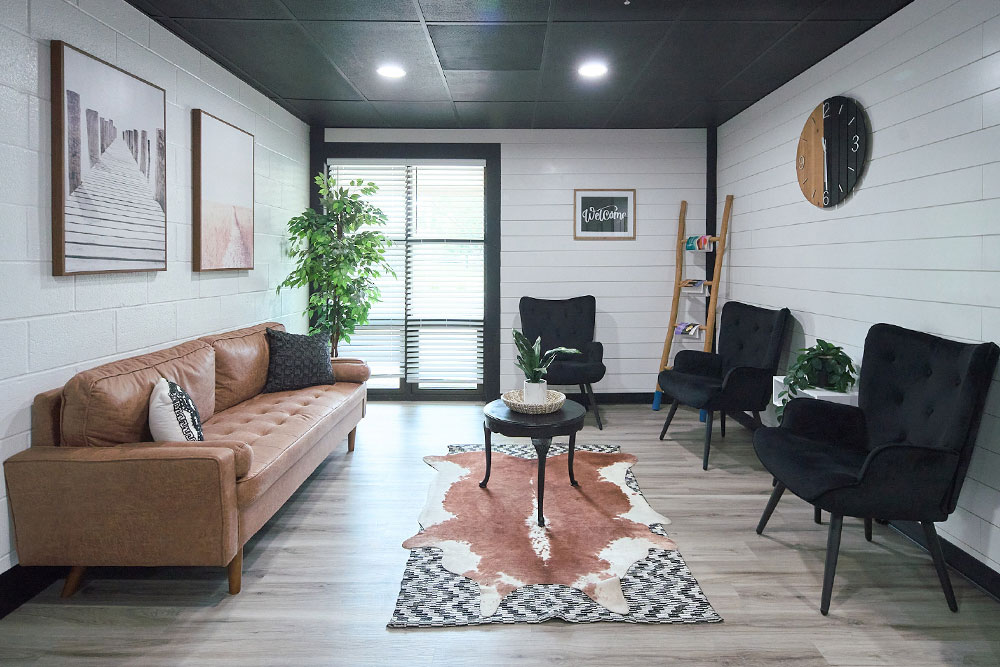
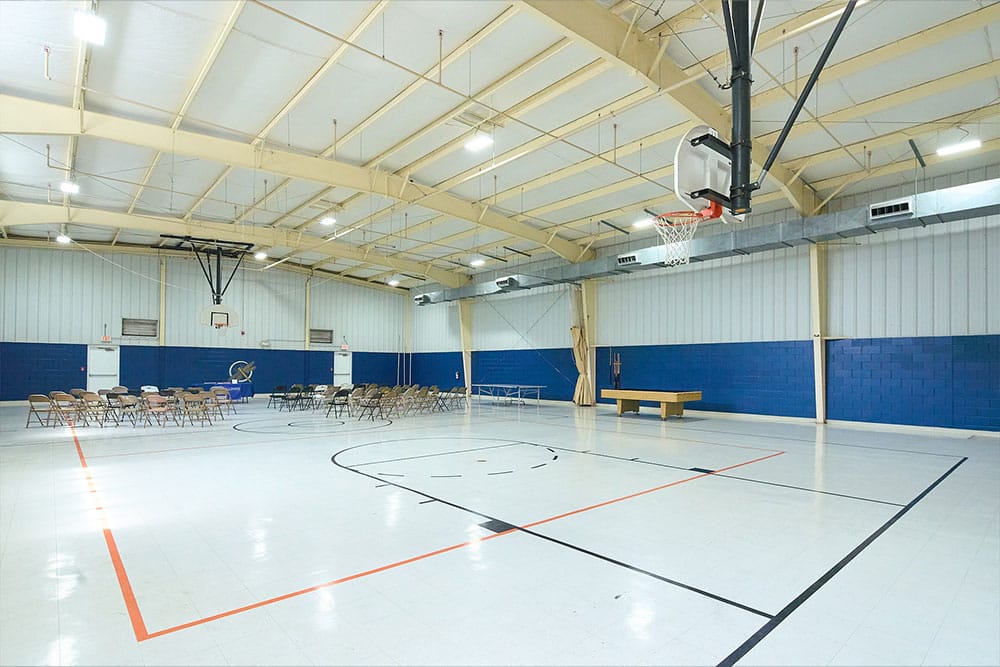
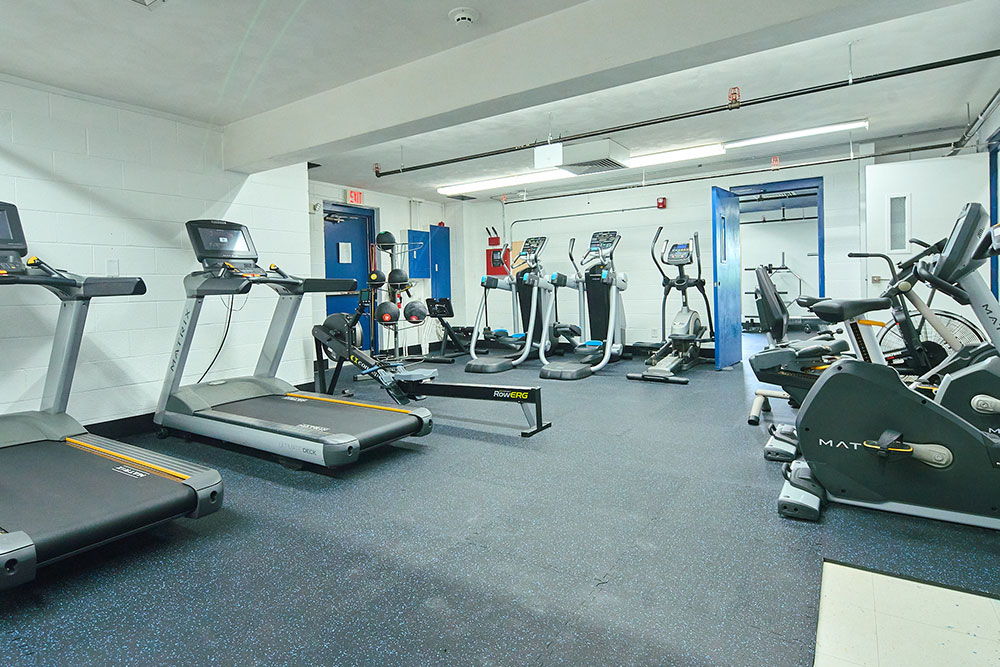
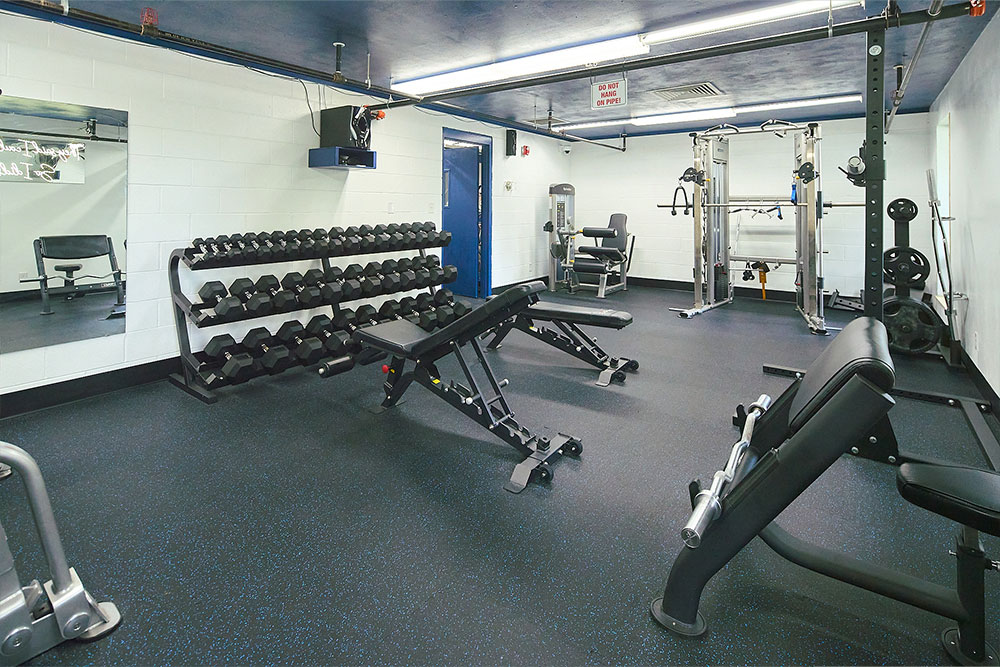
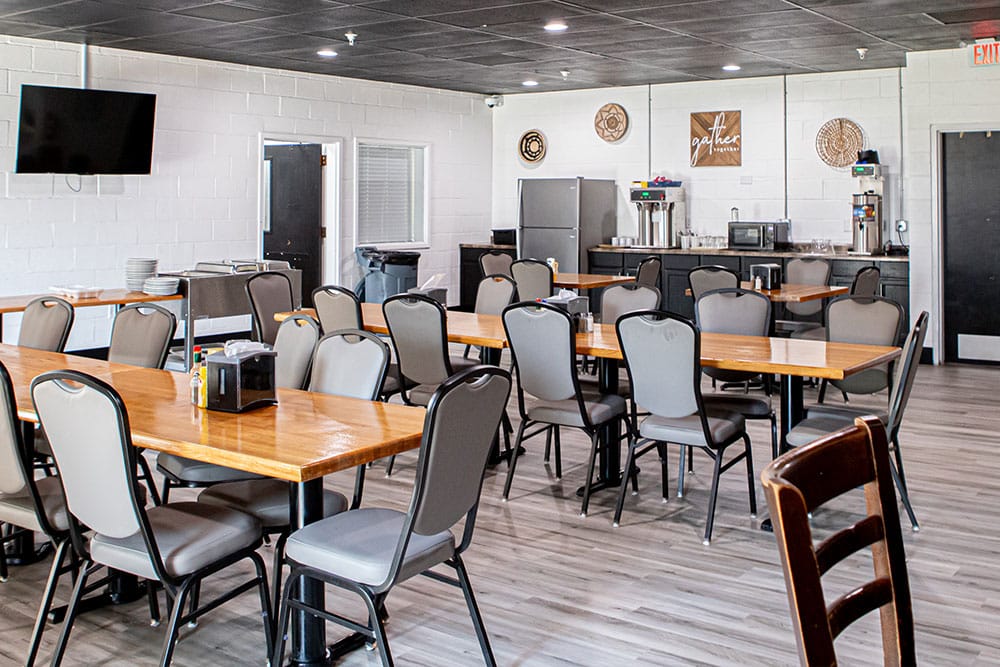
Founded in 2023, the center was established with a focused mission: to provide ethical, evidence-based addiction treatment while fostering long-term recovery and personal responsibility.
Rather than operating as a general wellness retreat, Illinois Recovery Center is dedicated specifically to substance use disorder treatment.
The residential program is designed to offer structured, clinically supervised care in a setting that prioritizes patient dignity, safety, and individualized treatment planning.
As a locally based provider, IRC plays an active role in addressing addiction within the Southern Illinois community. It offers care that is accessible without requiring families to travel far from home.
Clinical Standards, Accreditation, and Professional Oversight
The Illinois Recovery Center (IRC) is built on a foundation of recognized clinical standards, professional oversight, and ongoing quality assurance. This sets it apart as a premier residential addiction treatment provider in Swansea, Illinois.
The center holds accreditation from The Joint Commission (JCAHO). This is one of the most respected and rigorous evaluations of healthcare quality, safety, and patient-centered care in the United States.
This accreditation demonstrates that IRC meets national benchmarks for clinical excellence, risk management, and continuous improvement.
IRC is also LegitScript-certified, which further confirms that it adheres to industry-recognized standards for transparency, compliance, and legitimate healthcare operations in the addiction treatment field.
Accreditations like JCAHO and LegitScript aren’t automatically awarded. They require documented evidence of policies and practices that protect patients, support ethical treatment, and prioritize measurable outcomes.
For families researching residential care options, these validations provide reassurance that the facility’s clinical programs are reviewed regularly and held to objective external standards.
The People Who Will Walk With You Through Recovery
For many people considering residential addiction treatment, one question quietly sits beneath all the others: Who is actually going to take care of me? At Illinois Recovery Center, the answer isn’t a faceless system or a rotating cast of strangers.

It’s a consistent, multidisciplinary team of professionals. These are people who have built their careers, and in many cases their lives, around helping others recover.
From the moment someone enters residential treatment, they are supported by clinicians, nurses, counselors, and staff who work closely together.
This team combines formal medical and clinical training with real-world experience in addiction recovery, creating care that is structured, ethical, and deeply human.
Leadership Rooted in Purpose and Accountability
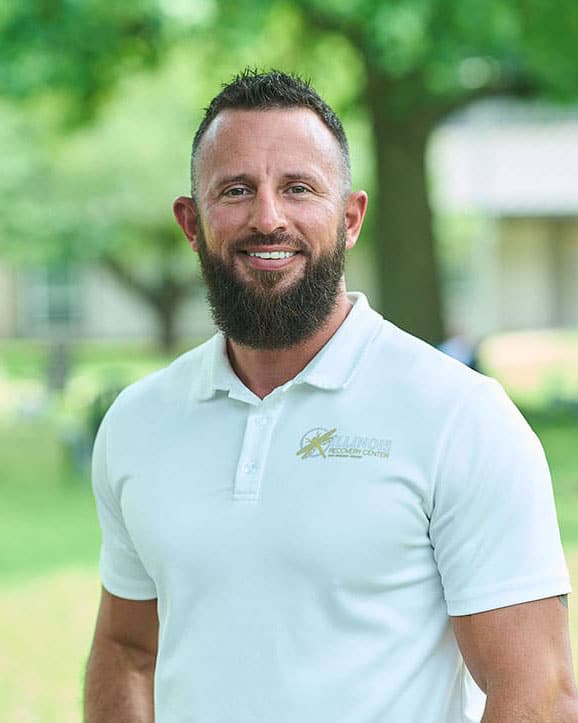
Illinois Recovery Center was founded by Eric Conley, Chief Executive Officer, whose leadership is shaped by more than a decade of experience in the addiction treatment field.
Eric’s role goes far beyond operations. He is responsible for ensuring that the center’s programs align with evidence-based standards, ethical care practices, and long-term recovery principles.
His approach emphasizes integrity, continuity of care, and building a treatment environment where patients are respected, not rushed.
Working alongside him is Jakob Miller, Executive Director and co-founder, who oversees the day-to-day functioning of the programs.
Jakob’s focus is on making sure that treatment isn’t fragmented. Additionally, he ensures that clinical services, residential structure, and patient support all work together seamlessly.
His leadership helps ensure that what is promised during admissions is delivered consistently throughout treatment.
Clinical and Nursing Care You Can Rely On
At the clinical core of Illinois Recovery Center is Alyce M. Enloe, MA, LCPC, Clinical Director. With more than 30 years of experience in counseling and behavioral health, Alyce brings a steady, trauma-informed perspective to treatment planning and clinical oversight.
Her work helps ensure that therapy is not only evidence-based but also responsive to the emotional realities patients bring with them into treatment.
Medical care within the residential program is guided by a nursing leadership team that prioritizes both safety and compassion. Katie Krueger, FNP-BC, serves as Nurse Practitioner and Director of Nursing.
With over 14 years of experience in emergency medicine and addiction-related healthcare, she plays a key role in assessments, medication-assisted treatment decisions, and ongoing medical support.
Her background allows her to recognize when something feels “off” and respond quickly, which is an essential component of residential care.
Supporting her are Britany Wildermuth, LPN, Assistant Director of Nursing, and Molly Conley, ADON, Assistant Director of Nursing. Both are deeply involved in day-to-day patient care, helping ensure continuity, responsiveness, and a sense of safety throughout the residential stay.
For many patients, these are the people they see first thing in the morning and last thing at night. They are steady presences during an often-vulnerable time.

Therapists Who Treat More Than Symptoms
Recovery doesn’t happen through medical stabilization alone. It happens in therapy rooms, group discussions, and difficult but necessary conversations. Illinois Recovery Center’s counseling team brings decades of experience to this work.
Barb Laidlaw, LCPC, specializes in addiction and trauma recovery, using approaches such as EMDR, hypnotherapy, and Reality Therapy to help patients process experiences that often sit beneath substance use.
Her work focuses on emotional regulation, resilience, and helping individuals feel safer in their own minds.
Kevin Bunten, LCPC, brings more than 20 years of counseling experience and leads the Family Therapy Program.
His approach recognizes that addiction affects entire family systems, not just individuals. By helping families understand patterns, rebuild trust, and communicate more effectively, he supports recovery that extends beyond discharge.
Continuity of care is overseen by Jeff Brenneman, LCSW, Clinical Director of Outpatient Services.
With over 26 years of experience using modalities such as CBT, DBT, and trauma-informed care, Jeff helps ensure that the progress made during residential treatment carries forward into outpatient and aftercare planning.
Support That Starts Before Day One
For many people, the first voice they hear at Illinois Recovery Center belongs to Angie Isam, Director of Admissions.
Drawing from her own recovery experience, Angie helps individuals and families navigate one of the hardest steps: asking for help. Her role is not to pressure, but to guide, educate, and make the process feel manageable.
In the broader community, Jacob “Jake” Dunavant, Senior Outreach Coordinator, and Nathaniel Carpenter, Director of Marketing & Outreach, work to connect people with accurate information, treatment pathways, and support resources.
Both bring lived experience and professional insight, helping bridge the gap between need and care.
Why This Team Matters
Residential addiction treatment works best when care is consistent, collaborative, and personal.
At Illinois Recovery Center, patients are not passed from department to department. They are supported by a team that communicates, shares responsibility, and understands that recovery is not linear.
These are the people who monitor safety, listen without judgment, challenge unhealthy patterns, and celebrate progress, often quietly, behind the scenes.
For individuals entering residential treatment in Swansea, Illinois, knowing who is there to care for them can make all the difference.

Insurance Coverage and Financial Support
Illinois Recovery Center understands that navigating the cost of residential addiction treatment can be overwhelming. To help reduce financial barriers, the center works closely with individuals and families to verify insurance coverage and outline financing options before treatment begins.
During the admissions process, the IRC team collects a patient’s insurance details and assists with verifying benefits, copays, deductibles, and out-of-pocket costs so families can make informed decisions about care.
Many insurance plans cover aspects of addiction treatment, including residential care, medical detox, and counseling services.
While specific coverage varies by plan, IRC encourages prospective patients to reach out in advance for free, confidential insurance verification.
In broader directories, Illinois Recovery Center is also listed as accepting private health insurance plans (PPO, HMO, and others) and being accessible to clients with major providers.
Third-party sources such as Recovery.org’s provider profile further indicate a range of accepted insurers, including, but not limited to:
- Aetna
- Anthem and Blue Cross Blue Shield variants
- Cigna
- Humana
- Beacon Health Options
- First Health
- Magellan
- 1199 National Benefit Fund (SEIU)
It’s also important to note that federal and state laws like the Affordable Care Act and Mental Health Parity laws help ensure substance use disorder treatment is treated comparably to other medical care in many insurance plans.
This means that coverage for residential treatment is legally supported, though specifics remain plan-dependent.
In short, Illinois Recovery Center proactively helps individuals navigate insurance benefits and works with a broad array of major health plans to make residential treatment more financially accessible.
External Recognition and Patient Trust
Illinois Recovery Center is not only recognized in national treatment directories. It is also consistently rated highly by individuals and families who have experienced care there.

Trusted National Directory Listings
Illinois Recovery Center appears in several respected addiction treatment directories that help people research providers objectively:
- The center is listed and verified on Psychology Today’s treatment directory, which highlights its evidence-based programs and commitment to fostering a safe, judgment-free environment for recovery.
- Recovery.com’s profile shows a 5.0-star overall rating across hundreds of user reviews, reflecting broad satisfaction with residential treatment, clinical care, and staff support.
- Alcohol.org also lists Illinois Recovery Center with a 5.0 rating from more than 300 reviews, underscoring its strong reputation in the recovery community.
These directory presences signal that IRC is visible to families and referral sources who are using independent platforms to evaluate providers.
What Former Clients Are Saying
Across multiple platforms where real users share their experiences, the feedback reveals specific aspects of care that clients value:
On the Chamber of Commerce business directory, multiple reviewers describe the center as having “knowledgeable and caring individuals” and “an amazing staff who make a real difference in recovery.”
One frequent sentiment in public reviews is that the facility feels like a place where staff truly want to help, with comments such as:
“Great institution that is really there to help with an amazing staff!” — reviewer on local business listings.
Another reviewer noted,
“To all the owners and investors that turned this tired property into a beautiful and updated facility to help others — this is truly what this area needed!” — highlighting both environment and community impact.
While individual experiences vary as they do with any care setting, the preponderance of positive feedback across independent sites supports a generally positive perception.
Patients feel respected, supported, and genuinely helped by the residential program at Illinois Recovery Center.
Why This Matters
Rather than relying solely on internal testimonials, these external directory ratings and real user reviews act as third-party signals of credibility.
They help families searching for care to see that IRC isn’t just stating its mission. It’s being rated as trustworthy and effective by those who’ve walked through its doors.
These signals contribute to Illinois Recovery Center’s standing as a credible and trusted addiction treatment provider in Illinois.
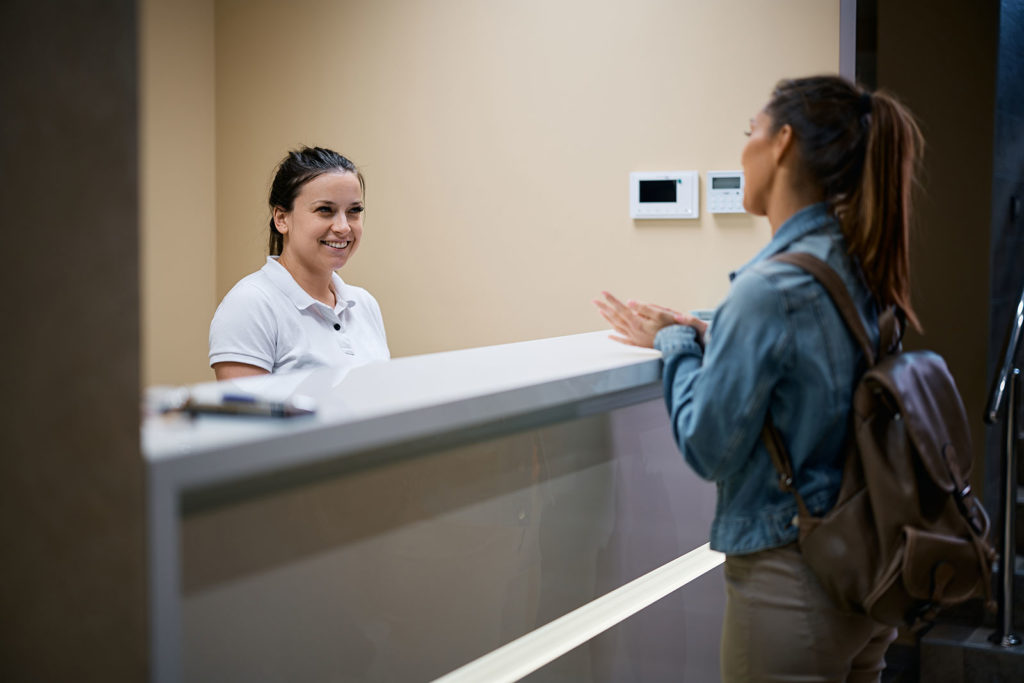
What Residential Addiction Treatment Looks Like at Illinois Recovery Center
Residential treatment at Illinois Recovery Center begins with a thorough intake and clinical evaluation.
When medically appropriate, patients may first complete supervised detoxification to manage withdrawal symptoms safely. From there, individuals transition into structured residential programming that typically lasts 30 to 90 days or longer, depending on clinical need.
Daily life in residential treatment includes a balance of:
- Individual and group therapy
- Evidence-based modalities such as CBT and DBT
- Educational sessions focused on relapse prevention and coping skills
- Family involvement when clinically appropriate
- Wellness and recovery-focused activities
Treatment plans are regularly reviewed and adjusted to reflect patient progress. By addressing underlying factors such as trauma, mental health conditions, and behavioral patterns, the program aims to support sustainable recovery rather than short-term abstinence.
Why Swansea Is an Ideal Setting for Residential Recovery
Swansea offers a calm, suburban environment that supports focus and reflection during early recovery.
Being close to home allows for family participation without the stress of long-distance travel, while still providing enough separation from familiar triggers.
For individuals across Southern Illinois, receiving residential treatment locally can reduce barriers to care and encourage smoother transitions into continuing treatment and aftercare services following discharge.
Taking the First Step Toward Recovery
Admissions specialists at Illinois Recovery Center are available 24/7 to provide confidential assessments, verify insurance coverage, and answer questions about residential treatment options.
The center works with many major insurance providers and guides individuals through each step of the admissions process.
Addiction is tough, but you don’t have to face it alone or far from home. Illinois Recovery Center in Swansea delivers compassionate residential treatment that changes lives every day. If you’re ready to break free, reach out today. Hope isn’t just possible. It’s waiting right here.
FAQs
What types of treatment programs are available, and how long is the length of stay?
Does Illinois Recovery Center treat opioid use disorders, and is medication-assisted treatment available?
How can family members get help for a loved one, and does IRC accept Medicaid?