


Choosing a rehab center is about more than finding the right program. It’s about knowing you’ll be cared for by experienced professionals in an environment where you can focus entirely on getting better. For residents of Highland, Illinois Recovery Center offers both, with a facility right here in Highland and a full residential campus in nearby Swansea.
That means you don’t have to leave your community to start treatment. Whether you’re seeking help for yourself or someone you love, care begins close to home, and every level of support, from medical detox to outpatient programs, is available within the same organization.
Our Highland facility provides outpatient services, including our Intensive Outpatient Program (IOP) and ongoing counseling, so clients can continue treatment while living at home, working, or caring for family.
Every client begins with a comprehensive assessment. If a higher level of care is the right starting point, such as medical detox or residential treatment, our team coordinates admission to our Swansea campus, about 30 minutes away, and supports the transition back to Highland-based outpatient care as recovery progresses.
Illinois Recovery Center – Highland
1025 Broadway,
Highland, IL 62249
A Facility Designed for Healing
Recovery is challenging enough without spending weeks in a cold, clinical environment. For clients who need detox or residential treatment, Illinois Recovery Center’s Swansea campus was intentionally designed to feel comfortable, welcoming, and conducive to healing.
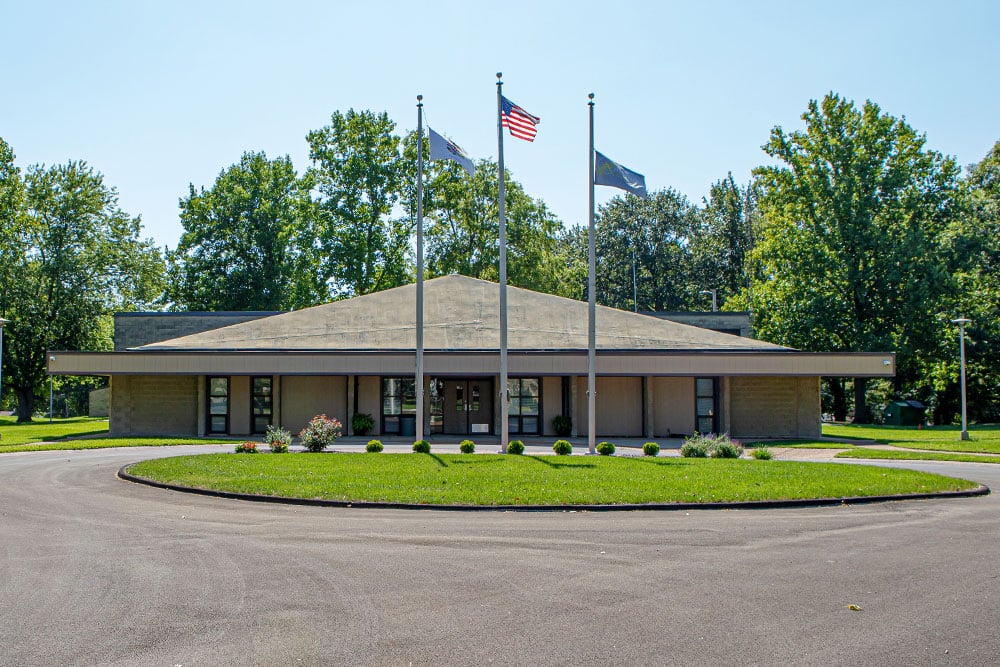
Situated on a 12-acre campus in Swansea, the facility spans more than 50,000 square feet, giving residents plenty of space to recover, participate in therapy, and establish healthy routines.
Clients stay in comfortable private or semi-private accommodations and have access to thoughtfully designed common areas where they can relax between treatment sessions.
Daily life extends beyond the therapy room. The campus features dedicated spaces for individual counselling and group therapy.
There’s a fully equipped fitness center, recreational amenities including a basketball court, inviting outdoor spaces, and communal dining areas. It’s where residents can build healthy routines alongside their peers.
Rather than feeling institutional, the environment balances professional clinical care with the comfort and structure many people need during early recovery.
Every part of the campus is designed to help residents focus on one goal: building a healthier life free from drugs and alcohol.
Experienced Professionals You Can Trust
A comfortable facility matters, but lasting recovery depends on the people providing your care.
Illinois Recovery Center brings together a multidisciplinary team with decades of combined experience in addiction medicine, behavioral healthcare, nursing, and mental health treatment.
Medical care is overseen by Dr. Michael Maguire, whose background in addiction medicine helps ensure clients receive safe, evidence-based treatment throughout every stage of recovery.
Clinical Director Carrie Schuette brings more than 30 years of behavioral healthcare experience, helping individuals and families navigate the challenges of substance use disorders with compassion and clinical expertise.
Outpatient services are led by Michelle Titsworth, who has spent more than 26 years working in behavioral health and addiction recovery.
Alongside them is a team of licensed therapists, registered nurses, case managers, recovery specialists, and admissions professionals who collaborate to create personalised treatment plans for every client.
Many members of the leadership and clinical team have dedicated their careers to helping people overcome addiction, while others bring valuable lived experience that deepens their understanding of the recovery journey.
Together, they have helped thousands of individuals take the first steps towards healthier, more stable lives.
Recovery is never the work of one person alone. It is the result of experienced professionals working together, adapting treatment as clients grow stronger, overcome challenges, and prepare for life beyond rehab.
What We Treat
No two people arrive at rehab with the same story. Some have been drinking heavily for years. Others began taking prescription painkillers after an injury before developing an opioid dependence.

Some struggle with stimulants or benzodiazepines, while many are also living with anxiety, depression, trauma, or other mental health challenges.
Illinois Recovery Center treats a wide range of substance use disorders. We know that effective recovery begins with understanding each person’s unique circumstances, rather than applying the same treatment plan to everyone.
Every client undergoes a comprehensive assessment before treatment begins. This allows the clinical team to develop a personalised plan based on medical history, substance use patterns, physical health, mental wellbeing, and long-term recovery goals.
Alcohol Addiction
Alcohol remains one of the most commonly misused substances in the United States, yet many people delay seeking treatment because drinking is socially accepted.
Over time, however, excessive alcohol use can affect nearly every aspect of life, from physical health and relationships to employment and emotional well-being.
For individuals who have developed physical dependence, alcohol addiction treatment often begins with medically supervised detox. That’s where withdrawal symptoms can be safely monitored by healthcare professionals.
Once detoxification is complete, clients continue into therapy and structured treatment to address the behavioral and emotional factors that contribute to alcohol addiction.
Rather than focusing only on stopping alcohol use, treatment helps clients develop practical coping strategies, repair relationships, and build routines that support lasting recovery.
Opioid Addiction
The opioid crisis continues to affect communities across Illinois, including Highland and the surrounding Madison County area.
Whether addiction began with prescription pain medication, heroin, or illicit fentanyl, opioid dependence is a complex medical condition that often requires professional intervention.
Treatment for opioid addiction may include Medication-Assisted Treatment (MAT) using medications such as buprenorphine or methadone, depending on each client’s clinical needs.
These medications can reduce cravings and withdrawal symptoms, allowing individuals to participate more fully in counselling and behavioral therapies while lowering the risk of relapse.
Combined with ongoing medical supervision and evidence-based therapy, MAT has helped many people regain stability and successfully transition into long-term recovery.
Prescription Drugs and Benzodiazepines
Prescription medications can be highly effective when used appropriately, but they also carry a risk of dependence when misused or taken for extended periods.
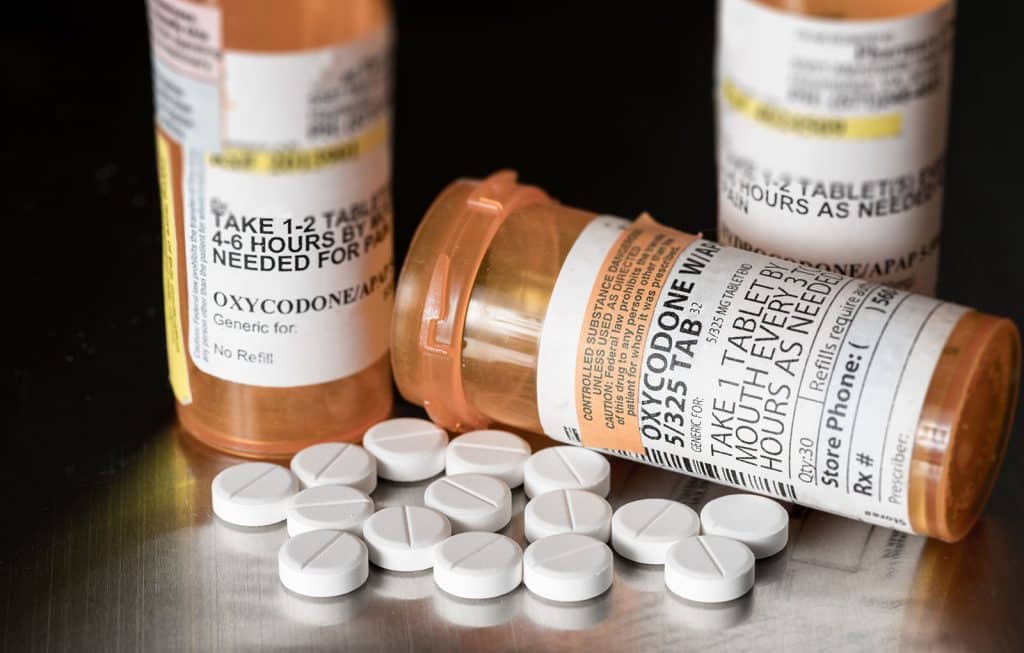
Opioid pain medications, stimulants, and benzodiazepines such as Xanax®, Ativan®, and Klonopin® can all lead to physical dependence.
Withdrawal from benzodiazepines can be particularly dangerous, making medically supervised detoxification an essential first step for many individuals.
Following detox, clients participate in therapy designed to identify the underlying factors that contributed to substance use while developing healthier coping mechanisms for the future.
Stimulants and Other Substance Use Disorders
Illinois Recovery Center also provides treatment for individuals struggling with cocaine, methamphetamine, and other substances.
Although stimulant withdrawal is often less medically dangerous than withdrawal from alcohol or benzodiazepines, recovery involves much more than managing physical symptoms.
Many clients experience intense cravings, mood changes, sleep disturbances, and emotional challenges during early recovery.
Through individual therapy, group counselling, structured daily routines, and relapse prevention planning, clients learn how to manage triggers and rebuild healthy, productive lives.
Dual Diagnosis Treatment
For many people, addiction is only part of the picture. Research consistently shows that co-occurring disorders are common among people seeking addiction treatment.
Conditions such as anxiety, depression, post-traumatic stress, and unresolved trauma often exist alongside substance use disorders, with each condition influencing the other.
Treating addiction without addressing mental health concerns can make long-term recovery more difficult.
That’s why Illinois Recovery Center provides integrated dual-diagnosis treatment, allowing clients to receive coordinated care for both conditions at the same time.
By addressing the whole person rather than a single diagnosis, the clinical team helps clients build healthier coping strategies while reducing the risk of future relapse.

How We Help You Recover
Recovery looks different for everyone. After a comprehensive assessment, the clinical team recommends the level of care that best matches each client’s medical needs, recovery goals, and personal circumstances.
As clients make progress, treatment can be adjusted to provide the right support at every stage.
Medical Detox
For many people, recovery begins with medical detox, where withdrawal symptoms are monitored by healthcare professionals in a safe, supportive environment.
Detoxification helps clients stabilize physically before moving into ongoing treatment that addresses the underlying causes of addiction.
Residential Treatment
Residential treatment provides a structured setting where clients can focus entirely on recovery. Daily schedules combine therapy, education, wellness activities, and peer support while removing many of the distractions and triggers of everyday life.
PHP and IOP
As recovery progresses, clients may transition into a Partial Hospitalization Program (PHP) or an Intensive Outpatient Program (IOP).
These programs continue therapy and relapse prevention while gradually helping individuals return to work, school, family, and other daily responsibilities.
Continuing Recovery
Long-term recovery doesn’t end at discharge. Every client leaves with an aftercare plan that may include ongoing counselling, alumni support, relapse prevention strategies, and referrals to sober living when appropriate.
Evidence-Based Therapies That Support Lasting Recovery
Therapy helps clients understand the thoughts, behaviours, and experiences that contribute to addiction while developing healthier ways to respond to life’s challenges.
Treatment may include:
- Cognitive Behavioral Therapy (CBT) to identify and change harmful thought patterns.
- Dialectical Behavior Therapy (DBT) to strengthen emotional regulation and coping skills.
- Individual therapy for personalized support and goal setting.
- Group therapy to build connection, accountability, and peer encouragement.
- Family therapy to rebuild trust, improve communication, and strengthen the support system at home.
For individuals with opioid addiction, Medication-Assisted Treatment (MAT) may also be recommended.
Medications such as buprenorphine and methadone can reduce cravings and withdrawal symptoms when combined with counselling and ongoing medical supervision, helping clients stay engaged in treatment and improve long-term recovery outcomes.

Start Your Recovery in Highland Today
Taking the first step toward recovery can feel overwhelming, but you don’t have to do it alone, and you don’t have to go far. With a location in Highland and a full residential campus in Swansea, Illinois Recovery Center provides compassionate, evidence-based care for substance use disorders and co-occurring mental health conditions at every stage of treatment.
If you’re looking for trusted drug and alcohol rehab in Highland, IL, contact Illinois Recovery Center today. Our admissions team can answer your questions, verify your insurance benefits, and help you take the first step, 24 hours a day.