The journey out of opioid addiction often feels like trying to navigate a dense fog. You know there is solid ground somewhere ahead, but the immediate path is obscured by physical pain, emotional exhaustion, and a brain that seems to be working against your own best interests. If you or someone you love is standing in that fog, know this, and consider it a hopeful disclaimer: the path to recovery is not a single, narrow tightrope. It is a broad highway with many lanes, backed by decades of public health research, addiction medicine, and psychological insight.
Understanding the various treatment options for opiate addiction requires moving past the outdated idea that recovery is purely a matter of willpower. Opioid use disorder is a chronic, treatable medical condition, and recovery is a clinical process of evidence-based treatment, biological recalibration, and personal rebuilding all at once.
Understanding the Landscape of Opiate Addiction
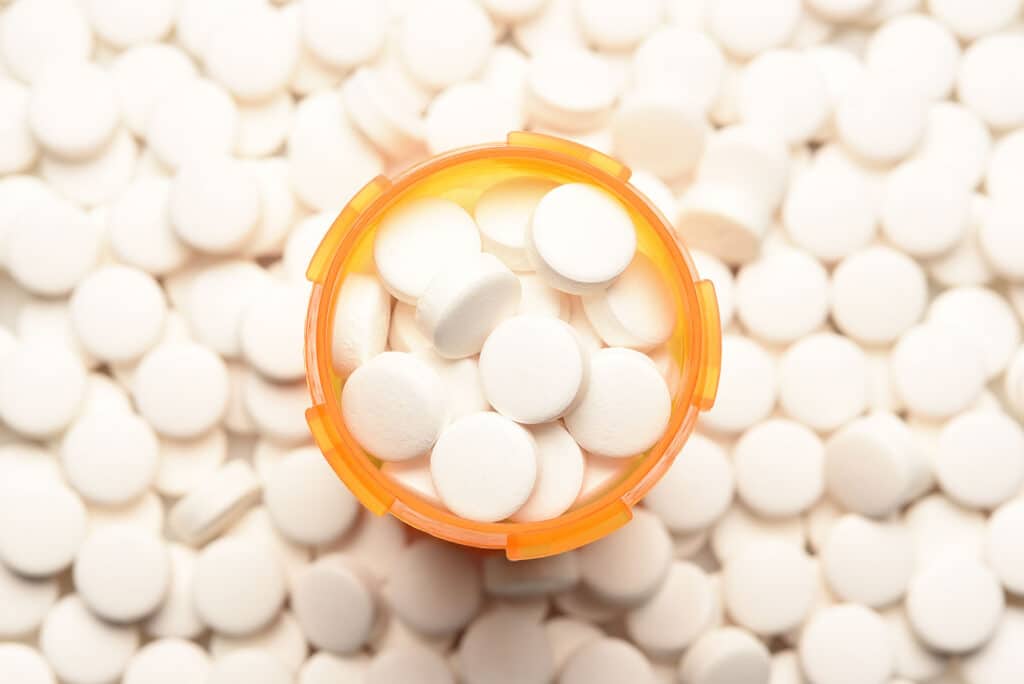
To beat an enemy, you have to understand how it operates. Opiate addiction, whether it involves prescription opioids like oxycodone or illicit substances like heroin and fentanyl, changes the physical structure and chemistry of the brain.
Defining the Challenge: Why Opiates are Different
Most substances affect the brain’s reward system, but opiates are particularly invasive. They bind to specific opioid receptors in the brain and spinal cord, mimicking the body’s natural painkillers (endorphins) but at a volume that is deafening. Over time, the brain stops producing its own “feel-good” chemicals because it relies entirely on the external supply.
This creates a two-headed monster: tolerance and opioid dependence. Eventually, a person isn’t using to get high; they are using to feel “normal” and to avoid the agonizing sickness that occurs when the drug leaves their system. This is why quitting “cold turkey” is notoriously difficult and often leads to a cycle of relapse, which significantly increases the risk of overdose. Recovery isn’t just about stopping the drug; it’s about giving the brain the time and tools it needs to remember how to function on its own.
Opioid Use Disorder Is a Chronic Disease, Not a Moral Failing
The CDC, the National Institute on Drug Abuse, and most major medical bodies now classify opioid use disorder (OUD) as a chronic, relapsing brain disease, similar in many ways to diabetes or hypertension. We don’t shame a diabetic for needing ongoing care, and we shouldn’t shame someone with OUD for the same. Framing recovery this way matters, because chronic conditions are managed over a lifetime, not “cured” in 30 days. Setbacks are part of the data, not proof of failure.
The First Step: Medical Detox and Stabilization
The fear of withdrawal is the single greatest barrier to starting recovery. Many people describe opioid withdrawal as a “flu from hell” multiplied by ten. While rarely fatal on its own, the physical distress (nausea, insomnia, muscle aches, intense anxiety) is so severe that most people cannot endure it without help.
Managing Withdrawal Safely
Medical detox is the process of clearing opioids from the body under the care of healthcare professionals and experienced clinicians. Instead of suffering through the peak of withdrawal in a bedroom, a jail cell, or a crowded emergency department, patients in a detox facility receive medications that mitigate withdrawal symptoms. These can include non-opioid medications for blood pressure, sleep aids, or muscle relaxants. The goal is stabilization, moving the body from a state of crisis to a state of calm so the real work of therapy and clinical interventions can begin.
The Role of Medical Supervision
Beyond comfort, supervision provides safety. Withdrawal can cause severe dehydration and electrolyte imbalances, and a supervised setting removes the “easy out” of using again when cravings peak. It provides a protective container where the only task is to get through the next hour, then the next day, until the physical fog begins to lift.
Evidence-Based Medications for Opioid Use Disorder (MOUD)
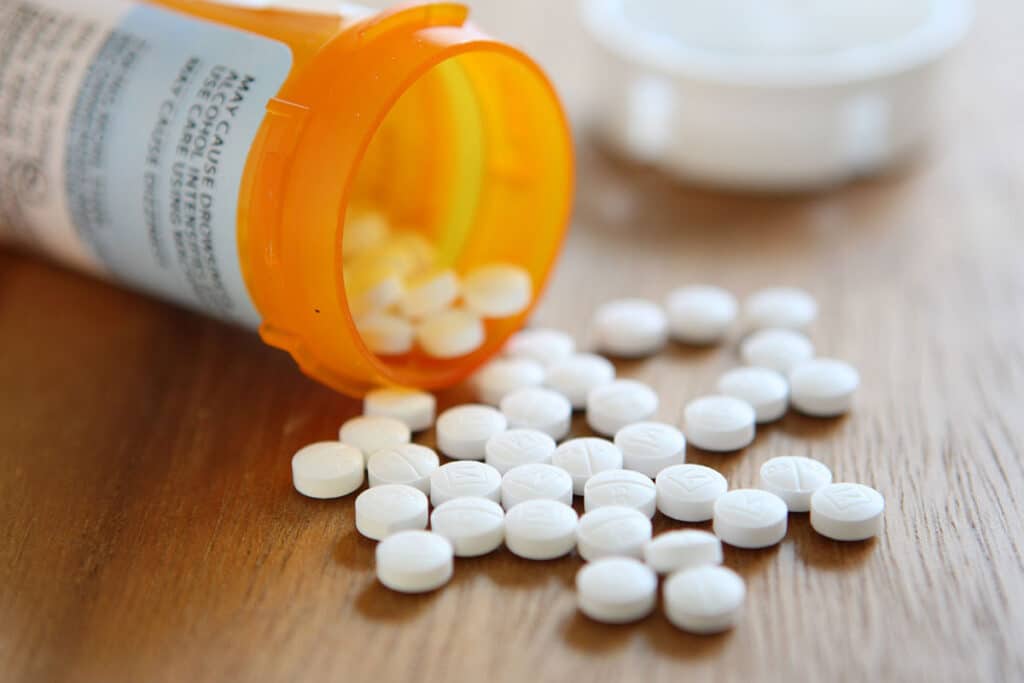
If you take only one thing from this guide, let it be this: medication for opioid use disorder, often called MOUD or Medication-Assisted Treatment (MAT), is recognized by the National Institutes of Health as the gold standard of care. Research from the National Institute on Drug Abuse and the Centers for Disease Control and Prevention consistently shows that MOUD reduces opioid overdose deaths, decreases illicit drug use, and helps people stay in OUD treatment longer.
The Gold Standard of Care
MOUD pairs FDA-approved medications with counseling and behavioral therapies. Think of it like using a cast for a broken leg. The cast doesn’t “cure” the bone, but it holds it in the correct position so the body can heal itself. MOUD stabilizes brain chemistry, blocks the euphoric effects of opioids, and relieves the physiological cravings that drive relapse.
The Three FDA-Approved Medications
There are three primary tools in the MOUD toolkit, and they come in several formulations so a clinician can match the medication to the patient’s life:
Methadone. A long-acting full opioid agonist. It has been used for decades and is dispensed through certified opioid treatment programs (OTPs). Common formulation: Methadose (methadone hydrochloride). It prevents withdrawal and reduces cravings without producing a high when taken as directed.
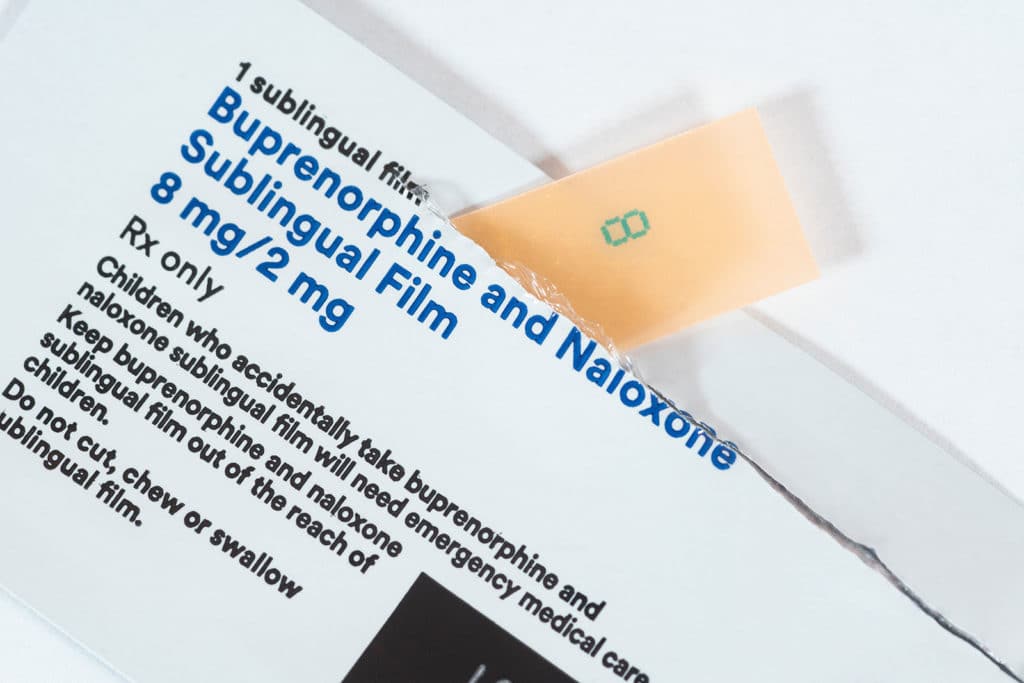
Buprenorphine. A partial agonist with a built-in “ceiling effect,” meaning it does not produce a significant high at therapeutic doses. Formulations include daily films and tablets such as Suboxone (buprenorphine and naloxone) and Zubsolv, plus extended-release injections like Sublocade (monthly) and Brixadi (weekly or monthly). Buprenorphine can now be prescribed in standard primary care practice settings, which dramatically expands where treatment is available.
Naltrexone. Not an opioid. It is an antagonist that sits on opioid receptors and blocks any opioid that is consumed from producing effects. Most often given as the monthly extended-release injection Vivitrol.
The X-Waiver Is Gone: Why That Matters
For two decades, US clinicians needed a special “X-Waiver” through the DEA to prescribe buprenorphine for opioid use disorder. That requirement was eliminated by federal legislation in 2023. Any provider with a standard DEA registration can now prescribe buprenorphine, which means primary care offices, community health centers, and rural clinics can offer MOUD without the bureaucratic hurdle that previously kept many patients waiting. If a doctor told you years ago they couldn’t prescribe it, ask again.
Dispelling the Myth of “Replacing One Drug with Another”
A common stigma suggests MOUD is just “trading one addiction for another.” This is a dangerous misunderstanding. Addiction is chaotic, compulsive behavior that destroys lives. Being on a stable, doctor-monitored medication that allows you to hold a job, care for your family, and live a law-abiding life is the definition of recovery. We don’t tell a person with diabetes that they are “addicted” to insulin; we recognize it as a tool for managing a chronic condition.
Naloxone: A Life-Saving Tool Everyone Should Carry
Recovery is the long game, but staying alive is the prerequisite. Naloxone (commonly known by the brand name Narcan) is a non-addictive medication that rapidly reverses an opioid overdose by knocking opioids off the brain’s receptors. It comes as an easy-to-use nasal spray and is now available over the counter in the United States without a prescription.
If you, a family member, or a friend are at any risk of opioid overdose (including someone in early recovery, since tolerance drops quickly during abstinence and the post-relapse overdose risk is highest), keep naloxone in the house, in the glove box, and in the bag you take everywhere. Many pharmacies, community programs, and harm-reduction organizations distribute it for free. Carrying naloxone is not “permission” to use; it is the same logic as keeping an EpiPen for a peanut allergy. It’s the bridge that lets someone survive long enough to get to treatment.
Counseling and Behavioral Therapies
Medication handles the biology, but therapy handles the biography. You have to address why the addiction started and develop new ways to handle the stress of life. Most evidence-based programs blend several modalities and offer counseling in a few different formats:
Individual counseling. One-on-one work with a therapist or addiction counselor focused on goal setting, identifying triggers, processing setbacks, and celebrating progress. This is where the deepest personal work usually happens.
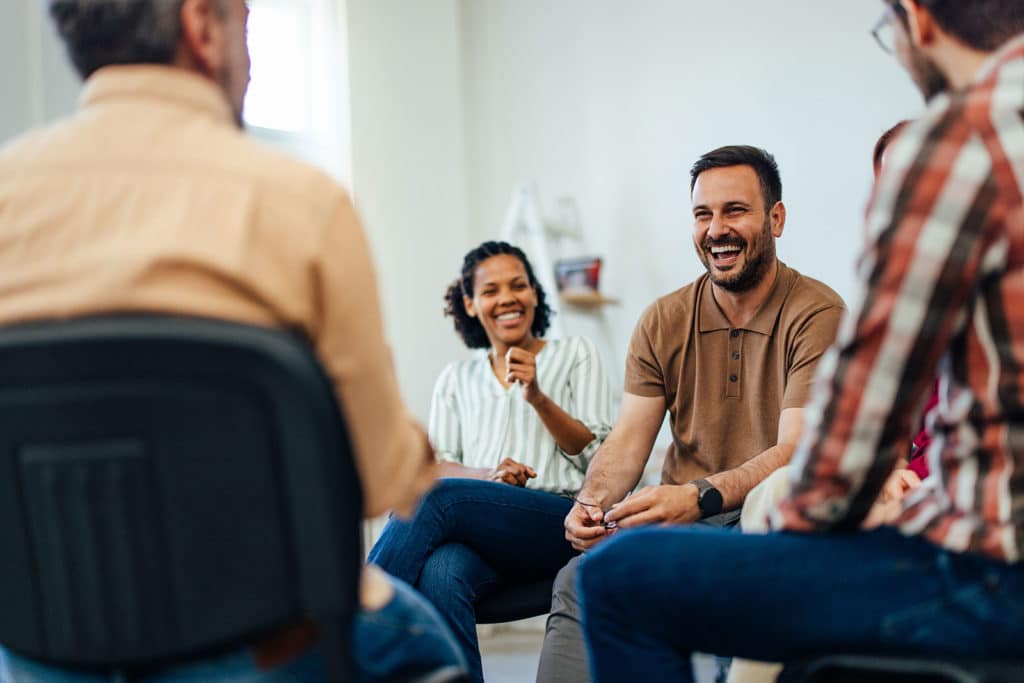
Group counseling. Structured sessions with peers who are also in recovery. Group work cuts through the isolation of addiction and lets you hear yourself in other people’s stories.
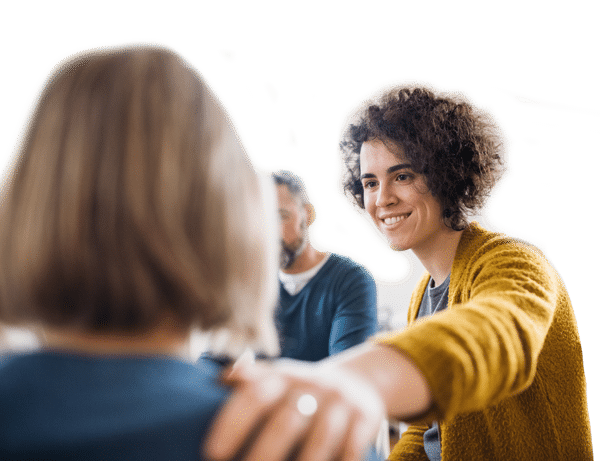
Family counseling. Sessions that include partners, spouses, parents, or other close family members. Addiction rarely affects only the person using; family counseling helps repair trust, rework communication patterns, and align everyone on a recovery plan.
Cognitive Behavioral Therapy (CBT)
CBT is built on the idea that thoughts, feelings, and behaviors are interconnected. In recovery, CBT helps you spot trigger thoughts like “I can’t handle this stress without a pill” and challenge them. It provides a toolkit of practical strategies to change your response to those thoughts, effectively rewiring mental habits.
Dialectical Behavior Therapy (DBT)
Originally developed for intense emotional dysregulation, DBT is highly effective for addiction. It focuses on four skill areas: mindfulness, distress tolerance, emotional regulation, and interpersonal effectiveness. DBT teaches you how to sit with uncomfortable emotions without needing to numb them.
Contingency Management and Motivational Interviewing
Contingency Management uses a structured reward system (vouchers, prizes, privileges) to reinforce positive behaviors like negative drug screens or attended sessions. Motivational Interviewing is a conversational style used by therapists to help you find your own internal motivation to change. Instead of being told why you should quit, you discover your own “why.”

Choosing the Right Setting for Recovery
There is no one-size-fits-all in treatment. The right setting depends on the severity of the addiction, your support system at home, your medical needs, and any co-occurring conditions.
Inpatient and Residential Programs
Residential programs provide 24/7 care in a facility, typically for 30 to 90 days or longer. This level of care is often the best choice for those with long-standing addictions, unstable housing, or co-occurring mental health conditions. It removes you from the environment where you used drugs so you can focus entirely on healing.
Inpatient Hospital-Based Programs
For people in medical crisis, hospital-based programs offer the highest level of monitoring, including IV medications and management of any complicating medical conditions during the first stage of detox.
Partial Hospitalization (PHP) and Intensive Outpatient (IOP)
Outpatient programs let you live at home while attending therapy several hours per day or per week. Partial Hospitalization Programs are very intensive, often five to six hours a day, five days a week. Intensive Outpatient Programs are more flexible, designed around work or school. Both are excellent for people transitioning out of residential care or for those who have a strong, sober support network at home.
Office-Based Care in Primary Care Settings
With the X-Waiver gone, more and more people are starting buprenorphine treatment in their family doctor’s office, alongside an external counselor. For mild-to-moderate OUD, this is often the lowest-friction way in.
A Tailored Treatment Plan
The best treatment programs don’t use a cookie-cutter approach. Your plan should be tailored to your individual needs, history, trauma, and goals. If a program doesn’t begin with a real personalized assessment and screen for OUD severity and co-occurring conditions, it may not be providing the depth of care you need. SAMHSA’s online treatment locator (FindTreatment.gov) and its opioid treatment program directory are good places to identify legitimate, certified options near you.
Support Resources, Peer Communities, and Wraparound Services
Science provides the medicine, but community provides the soul of recovery. Isolation is the oxygen of addiction; connection is the cure. Recovery rarely succeeds on therapy alone, which is why most quality programs connect people to a wider web of support services.
Peer Support Groups
Narcotics Anonymous, Alcoholics Anonymous, and other 12-step programs have helped millions of people. They provide a structured step process and a community of people who have walked in your shoes. The sponsor relationship offers one-on-one mentorship that is invaluable in early recovery.
SMART Recovery and Secular Alternatives
If the higher-power aspect of 12-step programs doesn’t resonate, programs like SMART Recovery (Self-Management and Recovery Training) offer a science-based, secular alternative focused on cognitive tools and self-empowerment. Spiritual and faith-based recovery groups serve a different need for those who want explicitly religious community as part of the journey.
Case Management and Wraparound Supports
A stable life makes recovery stick. Many treatment programs (and most state Medicaid programs) offer case management or care management to coordinate the practical pieces:
- Housing or transportation organizations for people who need stable shelter or a way to get to appointments.
- Employment or educational supports to help with resumes, GED programs, and job placement.
- Family counseling and parenting supports for those rebuilding home life.
- Legal aid for people navigating court-involved recovery.
This is what researchers call building recovery capital, the internal and external resources that make sobriety durable. The more capital you accumulate, the more resilient you become.
Building a Sober Social Circle
You are the average of the people you spend the most time with. Part of recovery is the painful but necessary process of stepping away from “using friends.” Finding a new circle, whether through a recovery community, a gym, a sport, or a hobby group, gives you a safe space to be yourself without the pull of drugs.

Holistic and Complementary Therapies
Recovery is a whole-body experience. While medication and therapy are the foundation, holistic practices help rebuild the rest.
Mindfulness, Yoga, and Nutrition
Chronic opioid use wreaks havoc on the body’s nervous system and gut health. Yoga and mindfulness meditation help retrain the body to find a baseline of calm. Proper nutrition is just as important; repairing the brain requires the raw building blocks of amino acids and vitamins that addiction often depletes.
Treating Co-Occurring Mental Health Conditions (Dual Diagnosis)
Many people turn to opiates to self-medicate underlying depression, anxiety, PTSD, or ADHD. If you treat the addiction but leave the mental health condition untouched, the risk of relapse remains very high. Modern recovery programs prioritize dual-diagnosis care, integrating psychiatry to treat the behavioral health condition and the addiction at the same time.
The Future: Research and Innovation in Treatment
Treatment is not standing still. Several lines of research are reshaping what recovery and pain management will look like in the next decade.
Non-addictive painkillers. Researchers at Yale and elsewhere are studying people with rare genetic mutations (including a condition sometimes called Man on Fire syndrome, where pain-signaling neurons misfire) to identify how pain signals work at the cellular level. The same teams have used “pain in a dish” models, lab-grown clusters of pain-signaling neurons, to screen new compounds. The first non-opioid acute pain medication of its kind, suzetrigine, was approved by the FDA in 2025, and more candidates are moving through clinical trials.
Targeted, precision pain-relieving therapies. Instead of dampening pain everywhere in the body (and causing the side effects opioids do), newer approaches aim to silence pain signals at the specific nerves involved.
Long-acting and easier-to-use MOUD. The trend toward weekly and monthly buprenorphine injections (Sublocade, Brixadi) is reducing the daily-dosing burden that used to be a major reason people fell out of treatment.
Better screening and personalized care plans. Tools to screen for OUD risk in primary care, ER, and post-surgical settings are helping clinicians intervene earlier, before a problem becomes entrenched.
None of this changes what works today, but it should give anyone in recovery, or anyone living with chronic pain, real reason for hope.

Getting sober is a sprint; staying sober is a marathon. The brain takes months, sometimes years, to fully heal.
Relapse Prevention Strategies
Relapse is usually a process, not an event. It starts with emotional withdrawal and “stinking thinking” long before someone picks up a drug. Learning your personal red flags and having an emergency plan (who to call, where to go, which meeting to drop into) is essential. Tapering off MOUD, if and when that is part of the plan, should always happen under a clinician’s guidance, never on your own timeline.
Managing Chronic Pain Without Opioids
Many people fall into addiction through a legitimate injury. Recovery doesn’t mean you have to live in pain. Physical therapy, acupuncture, non-opioid medications (including nerve blocks and the newer targeted pain-relieving therapies above), and specialized pain management clinics can help you manage physical discomfort without risking your sobriety.
Supporting a Loved One Through the Process
If you are reading this for a family member, your role is both vital and difficult. You can’t fix them, but you can be a bridge to help.
- Educate yourself. Understand that addiction is a disease, not a moral failing.
- Set boundaries. Loving someone doesn’t mean enabling their use.
- Carry naloxone. Especially if your loved one is in active use or early recovery.
- Take care of yourself. Join a support group like Al-Anon or Nar-Anon. You need a community as much as they do.
A Direct Word on Stigma
Stigma kills people. When friends, employers, churches, or even healthcare providers treat opioid use disorder as a character flaw rather than a medical condition, people hide their use, avoid treatment, and die alone. You can change this in small ways every day: use “person with opioid use disorder,” not “addict.” Push back gently when someone calls MOUD “just trading one drug for another.” Treat recovery as the medical achievement it is. The more normal we make treatment, the more people walk through the door.

How to Find Help and Take Action Today
The hardest part of the journey is the first inch. If you are ready to take that step, you don’t have to have everything figured out.
- Talk to a professional. Start with your primary care doctor, a trusted healthcare provider, or a licensed counselor. Ask specifically about buprenorphine and other MOUD options.
- Call a helpline. The SAMHSA National Helpline (1-800-662-HELP) is a free, confidential resource available 24/7, in English and Spanish.
- Search for local resources. Use FindTreatment.gov to locate certified opioid treatment programs, residential programs, and outpatient providers in your area. Look for CARF or Joint Commission accreditation as a quality signal.
- Pick up naloxone. Available over the counter at most US pharmacies, and free through many community programs.
Recovery is not a destination; it’s a way of living. It starts with one decision, made today, to choose a different path. The fog will lift. The ground is solid. It’s time to start walking.
Frequently Asked Questions About Opiate Addiction Treatment
How can I help reduce the stigma around opioid use disorder?