

Cannabis indica strains are widely recognized for their powerful sedative effects. Originating from regions like the Hindu Kush, these strains are frequently sought for managing stress, insomnia, or chronic discomfort.
Yet, frequent use can lead to tolerance, psychological dependence, and difficult withdrawal symptoms.
This article offers an overview of indica’s effects, the realities of cannabis addiction, and proven strategies for safe recovery. If cannabis use has become hard to control, professional support can guide you toward lasting freedom and well-being.
What Is Cannabis Indica?
Cannabis indica is one of the primary classifications of the cannabis plant, alongside cannabis sativa.
Historically, indica plants originated in harsh climates such as Afghanistan, where environmental conditions shaped their short, dense structure and faster flowering cycles. These physical traits later became identifiers used to distinguish indica from sativa plants.

Indica plants are typically shorter and bushier, with broad leaves and tightly packed buds. Over time, these characteristics became associated with specific effects, namely, physical relaxation and calming sensations.
As cannabis cultivation expanded globally, indica genetics were widely used in cross-breeding, leading to today’s diverse selection of cannabis strains.
It’s important to note that most modern strains found in a dispensary are not purely indica or sativa. Instead, they are often indica-dominant or part of a broader group of hybrid strains.
While labels still matter to consumers, the true effects of any type of cannabis depend more on its chemical composition than its name alone.
Indica vs. Sativa: Key Differences Explained
The conversation around indica vs. sativa is common, but it’s also frequently oversimplified. Traditionally, sativa strains are associated with more energizing or uplifting effects, while indica strains are linked to relaxation, physical heaviness, and sedation.
This distinction has shaped how cannabis users choose products and how marijuana is discussed in pop culture.
Indica strains are often described as producing a “body high,” marked by muscle relaxation, reduced tension, and sometimes couch lock, where movement feels slow or unappealing.
In contrast, sativa plants are more commonly linked to mental stimulation and alertness. However, these differences are not absolute.
Due to extensive hybridization, many strains labeled as indica or sativa share overlapping genetics. This is why two products with similar names can produce very different effects.
Today, understanding cannabis requires looking beyond strain labels and toward the underlying chemistry that drives the effects of cannabis.
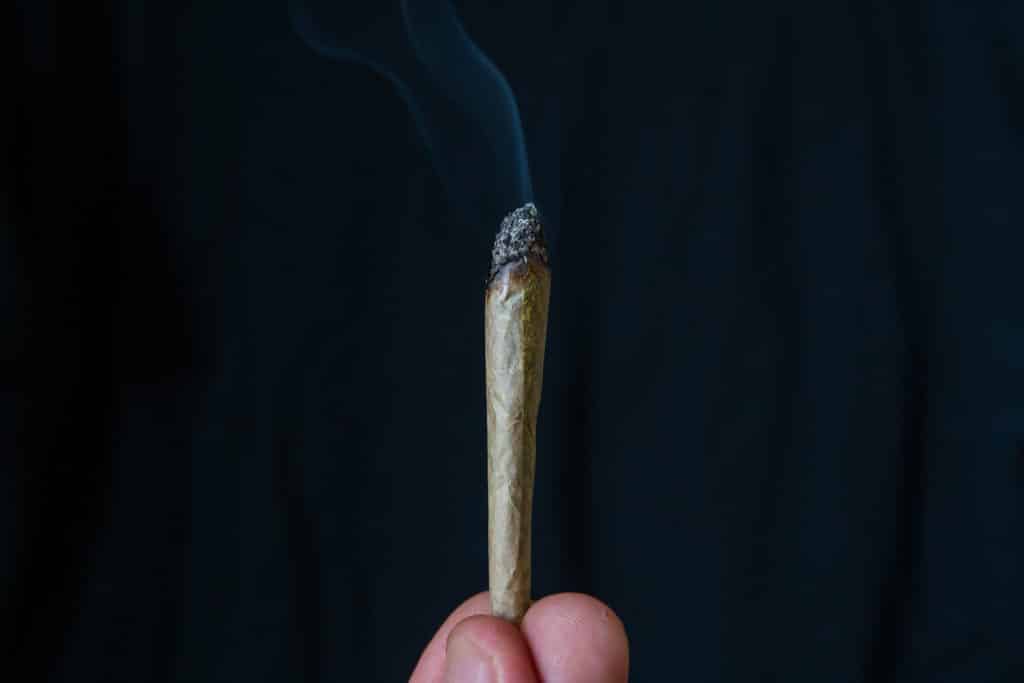
Common Effects of Indica Strains
Indica strains are most often associated with physical sensations rather than mental stimulation. These effects can feel grounding or heavy, depending on the person, the dose, and the strain’s chemical makeup.
Physical Effects Often Linked to Indica
Many users report the following indica effects:
- A full-body high marked by muscle relaxation
- Deep relaxation that encourages stillness
- Drowsiness and slowed reaction time
- A sensation of heaviness, commonly called couch lock
- Reduced physical tension and stress
- Increased appetite, often referred to as the munchies
These relaxing and calming effects can feel appealing in the short term, but they may also interfere with daily responsibilities, focus, and emotional presence.
How Potency and Dose Change the Experience
Not all indica experiences feel the same. Effects vary based on:
- THC content and whether the strain is high THC
- The THC-to-CBD ratio
- Individual tolerance levels
- Whether a low dose or a higher amount is used
- Differences between different strains
At higher doses, indica strains may feel overwhelming rather than soothing, especially for individuals sensitive to THC.

Typical Uses of Indica
Indica strains are often chosen for their sedating reputation, particularly in the evening or at night. Their perceived benefits span both medical and recreational uses.
Commonly Cited Medical Uses
In discussions around medical cannabis, indica strains are often associated with:
- Pain relief and chronic pain
- General pain management
- Muscle soreness or physical tension
- Sleep difficulties
- Migraines and restlessness after a long day
While some individuals report temporary comfort, cannabis is not a cure for underlying medical conditions. Long-term use can sometimes delay proper diagnosis or treatment.
Recreational Use and Risk Patterns
Recreationally, indica strains are frequently used to “wind down.” However, this pattern can quietly turn into dependence, especially when cannabis becomes a primary coping tool.
Potential concerns include:
- Relying on cannabis to relax or sleep
- Increasing use to achieve the same effects
- Using indica to avoid emotional discomfort
- Ignoring professional medical advice
Anyone considering cannabis for symptom relief should consult a healthcare professional, particularly when mental health or substance use history is involved.
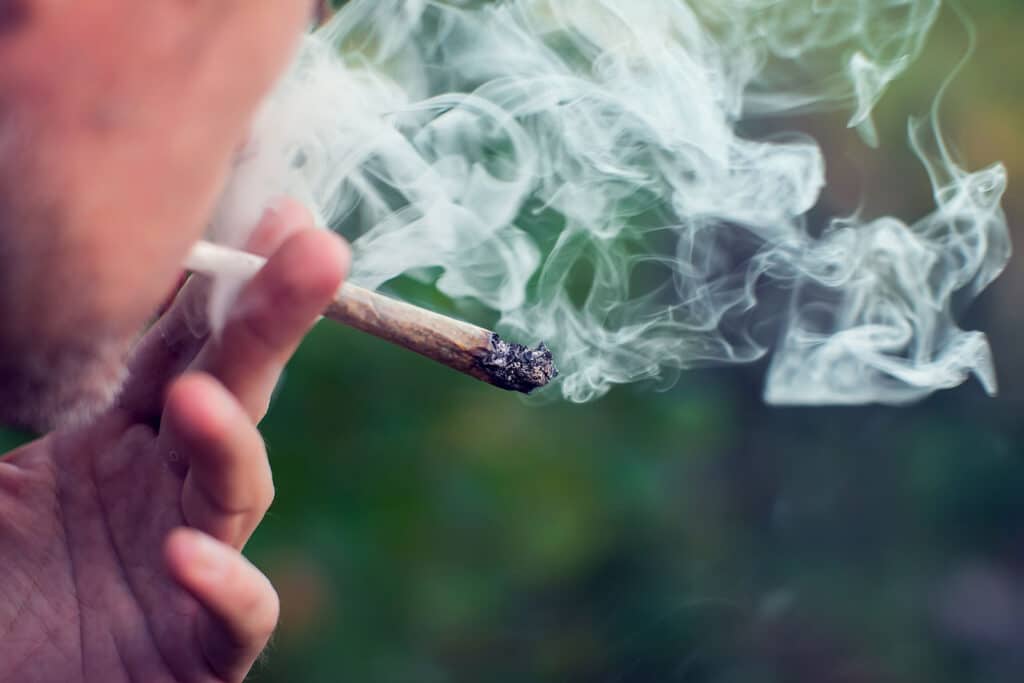
How Method of Use Shapes Indica Effects
The way indica is consumed has a major impact on how strong and how long its effects last. Different methods create very different experiences.
Smoking and Vaping
Smoking or using a vape typically leads to faster effects:
- Onset within minutes
- Easier dose adjustment
- Shorter duration compared to edibles
- Greater temptation to re-dose quickly
While faster feedback can help users gauge intake, it can also encourage habitual use.
Edibles and Delayed Intensity
Edibles change how THC is processed in the body, often intensifying indica effects.
Common risks include:
- Delayed onset leading to overconsumption
- Stronger sedation and mental fog
- Prolonged drowsiness lasting several hours
- Increased likelihood of unwanted side effects
Potency Differences Across Products
Not all cannabis products are created equal. Indica-dominant options found at a dispensary may vary widely in:
- Levels of THC
- Form (flower, edible, concentrate)
- Predictability of effects
For some cannabis users, especially those with low tolerance or mental health concerns, even small changes in potency can significantly alter the experience.

Side Effects and Potential Risks of Indica Use
While indica strains are often described as calming, they can also produce a range of unwanted side effects, especially when used frequently, in high doses, or without understanding potency.
Common Short-Term Side Effects
Many cannabis users experience mild to moderate side effects, including:
- Dry mouth and dehydration
- Red or irritated eyes
- Drowsiness and sluggishness
- Slowed reaction time and coordination
- Memory lapses or difficulty concentrating
- Increased appetite and digestive discomfort
These effects may seem manageable at first, but they can interfere with work, relationships, and daily responsibilities.
Cognitive and Emotional Risks
Indica’s sedating nature can also affect emotional processing and mental clarity. Some users report:
- Emotional numbing or detachment
- Reduced motivation and drive
- Heightened anxiety or irritability at higher doses
- Difficulty engaging socially or staying present
Over time, repeated exposure to high THC products may contribute to changes in mood regulation, especially for individuals already vulnerable to mental health challenges.
How Indica Interacts With the Brain
Indica strains influence how THC binds to receptors in the brain that are part of the endocannabinoid system. This system plays a role in:
- Mood regulation
- Stress response
- Sleep cycles
- Pain perception
When cannabis use becomes frequent or heavy, this system can become dysregulated, increasing the risk of tolerance, dependence, and withdrawal symptoms when use stops.
Mental Health and Emotional Well-Being
One reason indica strains appeal to many people is their ability to slow things down, both physically and mentally. However, this same effect can be problematic when cannabis becomes a tool for avoiding emotions rather than processing them.
Short-Term Relief vs. Long-Term Impact
Some individuals turn to indica for temporary relief from:
- Stress and overwhelm
- Anxiety or racing thoughts
- Sleep disruption
While the calming sensation may feel helpful in the moment, it often fades quickly. Over time, reliance on cannabis can make it harder to tolerate discomfort without substances, reinforcing unhealthy coping patterns.
Risks for Vulnerable Individuals
For people with existing mental health concerns, indica use may:
- Worsen depressive symptoms
- Increase emotional withdrawal
- Reduce motivation for therapy or treatment
- Complicate recovery from substance use disorders
Rather than supporting healing, habitual cannabis use can stall emotional growth and self-awareness.
When Indica Use Becomes a Problem
Not everyone who uses marijuana develops an issue, but it’s important to recognize when use shifts from occasional to compulsive.
Signs of Problematic Cannabis Use
Indica use may be unhealthy if someone:
- Needs cannabis to relax, sleep, or cope emotionally
- Uses more frequently or in larger amounts over time
- Struggles to stop despite negative consequences
- Feels irritable, restless, or anxious without it
- Prioritizes cannabis over responsibilities or relationships
These patterns may indicate cannabis use disorder, a condition that can affect motivation, mental health, and long-term recovery.
Why Indica Can Be Especially Habit-Forming
Because indica strains are associated with comfort and sedation, they can become emotionally reinforcing.
Using cannabis to “shut off” or escape stress may feel effective at first, but it often leads to increased reliance rather than resilience.

How a Rehab Center Can Help With Cannabis Use
When cannabis use starts interfering with mental health, motivation, or daily functioning, professional support can make a meaningful difference.
A rehab center provides structure, guidance, and clinical oversight that many people cannot achieve on their own.
Personalized Assessment and Treatment Planning
Effective treatment begins with understanding the individual. Rehab programs assess patterns of cannabis use, co-occurring mental health conditions, and personal stressors.
This allows clinicians to design a treatment plan that addresses both substance use and its underlying causes.
Support for Withdrawal and Emotional Regulation
While marijuana withdrawal is often underestimated, stopping regular use can trigger symptoms such as irritability, restlessness, sleep disruption, and emotional instability.
In a treatment setting, individuals receive support to manage these challenges safely and comfortably, without turning back to substances.
Therapy That Builds Healthy Coping Skills
Rehab centers focus on helping individuals replace substance use with sustainable coping strategies.
Through individual and group therapy, clients learn how to manage stress, process emotions, and rebuild confidence without relying on cannabis for relief or escape.
Integrated Care for Long-Term Recovery
Many people who struggle with marijuana dependence also face anxiety, depression, or unresolved trauma.
A comprehensive rehab program addresses these interconnected issues together, helping individuals regain clarity, motivation, and emotional balance.
Most importantly, treatment offers a supportive environment where people can pause, reflect, and reset, free from judgment and pressure.

Final Thoughts: Choosing Recovery Over Dependence
While indica strains may offer temporary relief through deep relaxation, the risks of tolerance, dependence, and challenging withdrawal often outweigh the benefits. Cannabis use disorder is real, treatable, and recovery is entirely possible with the right support.
True healing comes from addressing the root causes, building healthy coping strategies, and reclaiming a life free from substance reliance. You’re not alone on this journey. Professional guidance can provide the tools, compassion, and structure needed for lasting change.
If you or someone you love is struggling with cannabis use, take the first step today. Visit Illinois Recovery Center to learn more about our evidence-based detox and rehabilitation programs. Recovery starts here.