

Having a drink after a long, stressful day can help you unwind, but have you noticed how increased alcohol consumption can mess with your stomach? Does alcohol cause bloating and gas?
The truth is: yes, alcohol may be responsible for stomach bloating because it boosts stomach acid levels. This high concentration of acids inflames the stomach lining, leading to discomfort and bloating that lasts for days.
Similarly, drinking too much alcohol, too often, tempers with your digestion and affects the normal behavior of gut bacteria, causing trapped gas.
This guide answers more questions about the link between alcohol and its effects on your digestive system. It also gives you tips on how to alleviate your symptoms.

How Does Alcohol Cause Bloating and Gas?
Alcohol leads to bloating through a combination of several factors.
What’s more, alcohol-induced bloating isn’t just limited to the stomach area (beer belly). Frequent drinkers have reported red, puffy faces and other bloated parts of the body.
Alcohol causes bloating and gas by:
Having a High Calorie Count
No matter the type of alcoholic drink you’re consuming (beer, wine, whiskey, etc.), its calorie count will always be high, with no nutritional value. Think about cocktails that also contain cream, sugar, ice cream, soda, or juice, and the calories could reach unimaginable levels.
Here’s a quick summary of popular drinks that contain alcohol and their calorie count per serving size:
| Alcoholic beverage | Serving size | Calories |
| Regular beer | 12 fl oz (355 ml) | 153 |
| Craft beers | 12 fl oz (355 ml) | 170–350 |
| Gin (94 proof) | 1.5 fl oz (45 ml) | 116 |
| Rum (94 proof) | 1.5 fl oz (45 ml) | 116 |
| Vodka (94 proof) | 1.5 fl oz (45 ml) | 116 |
| Whiskey (94 proof) | 1.5 fl oz (45 ml) | 116 |
| Coffee liqueur | 1.5 fl oz (45 ml) | 160 |
| Coffee liqueur with cream | 1.5 fl oz (45 ml) | 154 |
| Crème de menthe | 1.5 fl oz (45 ml) | 186 |
| Chocolate martini | 2.5 fl oz (74 ml) | 418 |
| Daiquiri | 2.75 fl oz (81 ml) | 137 |
| Margarita | 4 fl oz (120 ml) | 168 |
| Rum and Coke | 8 fl oz (235 ml) | 185 |
| White Russian | 8 fl oz (235 ml) | 568 |
| White wine | 5 fl oz (145 ml) | 128 |
| Chardonnay | 5 fl oz (145 ml) | 128 |
| Merlot | 5 fl oz (145 ml) | 122 |
| Red dessert wine | 3.5 fl oz (90 ml) | 165 |
Especially with mixed drinks, these high calories added to your daily diet cause fat to pile up in different parts of your body.
They’re more noticeable in the belly area, becoming more stubborn and harder to get rid of the more and longer alcohol is consumed.

Causing Dehydration
Did you know that high alcohol consumption is directly linked to dehydration, especially if you don’t drink water in adequate amounts? Alcohol is a natural diuretic, meaning it speeds up your body’s disposal of liquids through the renal system.
How does dehydration cause alcohol bloating? Shouldn’t it be the other way around?
In a dehydrated body, the skin and other organs try to make up for the rapid loss of water by storing as much of the liquid as possible. This is why swelling in the face, hands, and feet is common in people who regularly drink alcohol.
Inflammation of the Stomach
The biggest culprit in this discussion is how alcohol inflames the stomach lining, also known as gastritis. Since it’s an irritant, alcohol causes the stomach to produce more acids, damaging its lining and leading to uncomfortable swelling in the area.
Producing Extra Air
Alcohol consumption produces excess air in your gut because many beverages are carbonated, like sparkling wines or beer. This trapped gas causes an annoying sensation in the abdominal area, and it makes the bloating look more pronounced.
Similarly, alcoholic drinks feed the harmful microbes in the stomach (like Candida) after being converted to simple sugars. As these microbes grow to great numbers, the fermentation caused by their overgrowth contributes to excess gas and abdominal bloating.
Affecting Digestive Functions
Another worrisome effect of frequent drinking is that alcohol slows digestion by messing with normal muscular contractions in the digestive tract.
As a result, food, drink, and gases remain in the stomach for longer, making bloating worse and trapping gas.
How to Treat Bloating and Gas Caused By Alcohol?
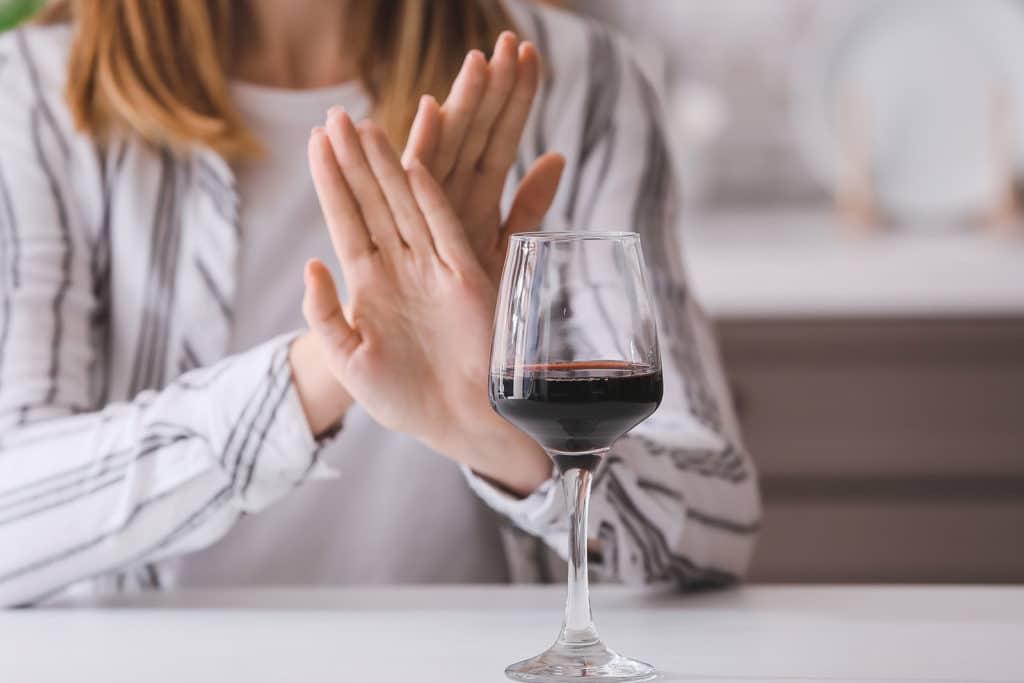
If you feel like your drinking habits are causing bloating and gas that don’t seem to be going away, there are ways to restore your body’s normal functions.
Minor, but significant, tweaks to your daily routine can get rid of these annoying symptoms:
1. Cut Down on Drinking
As tough as it may appear, limiting your alcohol intake is key to reducing its ill effects. Even if you follow the rest of the tips below, they won’t be effective if you still consume the same quantities of alcohol every day.
As per the U.S. Centers for Disease Control, moderate alcohol use translates to:
- Two drinks or fewer (which is preferable) a day for men
- One drink or less a day for women
However, the recommended amount of alcohol for a person ultimately depends on their age, sex, whether they have any health conditions, weight, and more. Some people shouldn’t drink alcohol at all, even in moderation:
- If they’re pregnant or breastfeeding
- If they’re younger than 21
- If they’re recovering from alcohol addiction
- If they’re taking meds that interact with alcohol
- If they have control issues that might eventually lead to alcohol use disorder
- If they’re suffering from liver diseases, pancreatitis, high blood pressure, or a weak immune system
2. Eat a Balanced Diet
Since troubles with bloating and excess gas begin and end in the stomach, fixing your eating habits can make all the difference. Make sure you meet your body’s daily requirements of protein, fats, carbs, minerals, and vitamins.
Most importantly, you’ll need to limit high-fiber foods until your bloating gets better. Too much fiber increases gas production, which doesn’t help with that unpleasant feeling of fullness.
It’s advisable to reduce your consumption of:
- Fruits: Strawberries, apples, and oranges
- Vegetables: Carrots, Brussels sprouts, potatoes, sweet corn, and cauliflower
- Grains: Whole-wheat pasta, brown rice, quinoa, oatmeal, and similar
- Seeds, legumes, and nuts: Lentils, black beans, almonds, chia seeds, split peas, or pistachios
Similarly, you should avoid drinks with carbon dioxide (like beer or carbonated mixers).
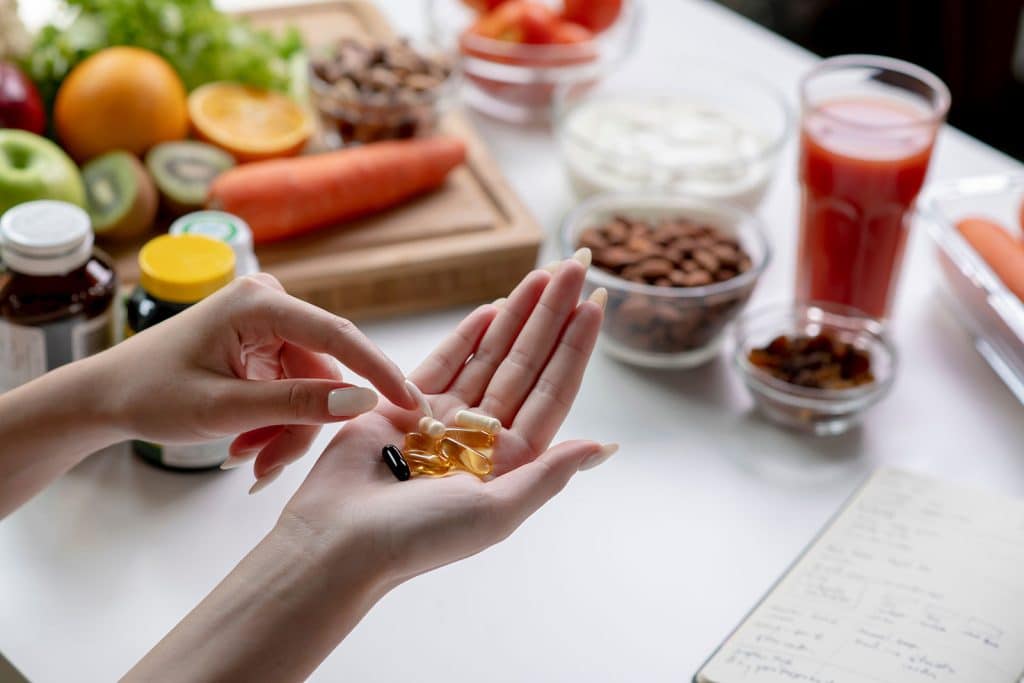
Instead, focus on anti-inflammatory foods that contain generous amounts of water and probiotics:
- Avocado
- Probiotic yogurt
- Papaya
- Celery
- Ginger
- Cucumber
- Ginger (or ginger tea)
- Chamomile tea or mint tea
- Kiwi
- Lemon
- Fennel
- Pineapple
3. Drink A Lot of Water
Getting your recommended water intake (11.5 cups to 15.5 cups) is essential for healthy adults, and you may need to increase that amount to counter the dehydrating effects of alcohol.
As you battle dehydration with water (which also helps relieve indigestion), your bloating and gas troubles should eventually go away.
4. Don’t Forget to Exercise
Working out, even for a couple of days per week, can aid with bloating and weight gain as a result of alcohol intake. Make it a priority to move your body so you can get rid of those additional calories!
Walking, swimming, running, or hitting the gym are a few options you can try. Choose an exercise that you can weave easily into your routine so that you can commit to it in the long run.
More examples of effective exercise that vary in intensity and commitment level are:
- High-intensity interval training (HIIT)
- Cycling
- Strength and resistance training (push-ups, squats, deadlifts, etc.)
- Balance training (yoga and planks)
- Pilates
- Tai Chi

When Is It Time to Seek Professional Help for Drinking Alcohol?
When it seems like you’re drinking more often than usual and for longer periods, it’s a sign to get professional help. Lack of control could quickly escalate into a full-out alcohol use disorder, which is another term for alcohol addiction.
Alcohol use disorder could lead to a host of problems, from mental and physical illnesses to financial struggles, relationship issues, and, in severe cases, suicidal ideation or death.
Pay attention to the early warning signs of an addiction so you can seek intervention immediately:
- Always having the urge to drink, or planning your day around getting and consuming alcohol
- Repeatedly trying and failing to stop or limit drinking
- Suffering from withdrawal symptoms when trying to quit
- Neglecting duties and obligations because of alcohol
- Facing problems with your family, spouse, and friends due to your drinking habits
- Consuming alcohol in risky situations (driving or operating heavy machinery)
Wrap-Up: Alcohol Addiction Treatment at the Illinois Recovery Center
Does alcohol cause bloating and gas?
Yes, alcohol’s inflammation of the stomach (alcoholic gastritis) makes it responsible for uncomfortable bloating and gas buildup. However, if you focus on regular hydration, drink in moderation, and work out, you could reduce alcohol bloating and abdominal pain.
Suspect you have a more serious drinking problem and need professional help? Contact the Illinois Recovery Center, which is fully equipped to help people with alcohol addiction until they reach full recovery.
From detox programs to inpatient care and then aftercare, treatment plans are tailored to each person’s medical history and level of alcohol abuse. Sober living could be your reality, and you’re definitely up for the challenge!