


Adderall and xanax, a dangerous combination that most people somehow find themselves stuck in. The issue is that, unlike other addictive drugs that people willingly go for, the abuse of these two, more often than not, happens by complete accident.
The even worse news is that they’re quite common among students because they’re the ones who usually fall into this accidental cycle.
You know what they say: to solve a problem, you need to understand it first, so let’s kick this off by understanding that accidental, addictive cycle.
How Does the Cycle Start?
It often starts innocently enough. A college student takes Adderall, prescribed for attention deficit hyperactivity disorder (ADHD), to power through finals week. By evening, the stimulating effects leave them wired, heart racing, unable to sleep.

A friend offers a solution: Xanax, a benzodiazepine that promises to quiet the mind and bring rest. The next morning, they wake up groggy, so they take more Adderall. And the cycle begins.
For others, the pattern emerges differently. A professional uses a stimulant medication to meet demanding work deadlines, then reaches for alprazolam (Xanax’s generic name) to manage the anxiety and jitters that follow.
What feels like problem-solving, using one prescription drug to counteract another, actually marks the beginning of a dangerous pattern that healthcare professionals call polysubstance use.
The Roads May Vary, But the Result Is the Same
The reality is stark: combining Adderall and Xanax doesn’t create balance. It creates a chemical dependency where your body loses its natural ability to regulate energy, mood, and calm.
You stop managing symptoms and start teaching your central nervous system (CNS) to rely on external chemical signals just to function. The body’s own dopamine and gamma-aminobutyric acid (GABA) systems begin to shut down, waiting for the pills to do the work they once did naturally.
What starts as a temporary fix becomes a trap, and breaking free without professional addiction treatment becomes increasingly difficult.
How Adderall and Xanax Interact (The Science)
To understand why mixing Adderall and Xanax creates such danger, you need to know what each drug does to your brain and body.
Adderall (It Basically Functions as an Accelerator)
Adderall contains amphetamine and dextroamphetamine, two stimulant drugs that flood your brain with dopamine and norepinephrine. These neurotransmitters put your entire system into overdrive. Your heart rate increases, your blood pressure climbs, and your brain shifts into high gear.
Doctors prescribe Adderall to treat ADHD and narcolepsy because it helps people focus and stay awake. But the effects of Adderall go far beyond concentration. Your cardiovascular system works harder, your breathing quickens, and your body burns through energy at an accelerated pace.
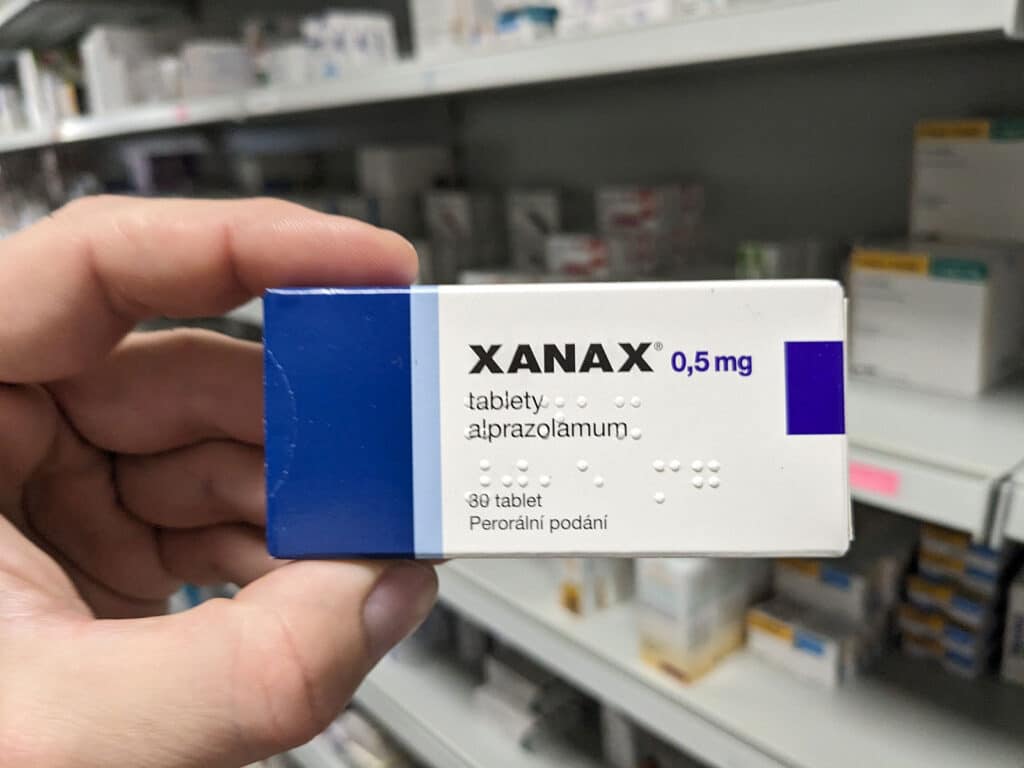
Xanax (It’s the Brake for Said Accelerator)
Xanax works in the opposite direction. This benzodiazepine, often called one of the “benzos,” enhances GABA in your brain. GABA acts as your nervous system’s natural brake pedal, slowing everything down.
Healthcare providers prescribe Xanax for panic disorder and anxiety disorder because it reduces panic attacks, eases tension, and promotes drowsiness.
The sedative effects can feel like relief after hours of stimulant medication, but, as you may have already guessed, they come at a cost; the conflict, or what you can call a tug of war, between the two drugs.
When you take both substances together, you create a dangerous conflict inside your body. Your brain receives “go” and “stop” signals simultaneously.
The central nervous system doesn’t know whether to speed up or slow down, putting immense strain on your heart, lungs, and brain. We also have the masking effect.
The Masking Effect: The Most Dangerous Risk
Here’s where the real danger of combining Adderall and Xanax emerges. The stimulant masks how sedated you actually are. You might feel alert and functional, unaware that a dangerous dose of Xanax sits in your system.
If the Adderall wears off first, the full sedative effects hit all at once. This sudden shift can cause respiratory depression, where your breathing slows to dangerous levels or stops entirely.
Needless to say, the risk of overdose becomes life-threatening. What seemed like balance was actually a ticking clock, and when the stimulating effects fade, your body crashes hard. Let’s explore these a bit further.
Physical and Mental Health Risks
The side effects of combining these controlled substances extend far beyond the immediate masking of danger. Polysubstance abuse creates a cascade of health problems that damage both body and mind. These include:

Cardiovascular Strain
Your heart bears the brunt of this chemical tug of war. Adderall forces your heart to race while Xanax tries to slow it down. These conflicting signals create an increased risk of dangerous arrhythmias, irregular heartbeats that can feel like fluttering or pounding in your chest.
Some people experience chest pain, a warning sign that their cardiovascular system struggles under the strain.
In severe cases, this stress can trigger a heart attack or lead to heart failure. High blood pressure becomes chronic as your body fights to maintain equilibrium. The impairment extends to your entire circulatory system, and the damage accumulates with each cycle of use.
Mental Health Deterioration
The mental health consequences prove equally devastating. When Xanax wears off, users frequently experience rebound anxiety, where the original anxiety disorder symptoms return with far greater intensity than before.
What you took to find calm now makes your panic attacks worse. The crash that follows Adderall abuse brings profound depression, exhaustion, and cognitive fog that can last for days
Your brain’s natural ability to produce feel-good chemicals diminishes, creating a physical dependence that makes normal functioning without the drugs feel impossible.
This cycle of substance use disorder feeds on itself, requiring higher doses to achieve the same relief while your overall well-being deteriorates.
The Fentanyl Crisis
If you obtain these pills outside a legitimate healthcare provider, you face an additional life-threatening risk that has exploded across Illinois and the nation.
Counterfeit Adderall and Xanax often contain fentanyl, a powerful opioid that dealers mix into pills to increase addictive potential. You might think you are taking your usual dose, but you are actually ingesting a substance 50 times more potent than heroin.
Fentanyl drastically increases the risk of addiction and makes fatal overdose horrifyingly common. In Illinois, fentanyl related deaths have surged, and counterfeit benzos and stimulants account for a significant portion of these tragedies.
When you buy pills off the street, you are playing Russian roulette with your life. Every pill could be your last.

Identifying the “Red Flags”
Recognizing the signs of drug abuse in yourself or a loved one can feel difficult, especially when the substances started as legitimate prescriptions. These patterns often develop gradually, making them easy to rationalize. But certain red flags signal that casual use has crossed into dangerous territory.
You Need One to Counteract the Other
The clearest warning sign emerges when you find yourself caught in a cycle: you need the “upper” to function during the day, then require the “downer” to sleep at night.
You might tell yourself this creates balance, but in reality, you have developed a pattern of substance abuse where neither drug works without its counterpart.
Your body no longer regulates itself naturally. This interdependence marks the beginning of Xanax abuse and Adderall abuse working in tandem, each feeding the need for the other.
Doctor Shopping and Multiple Prescriptions
If you visit multiple doctors to obtain prescriptions, or if you fabricate symptoms to justify refills, you have moved beyond therapeutic use.
Some people seek psychiatry appointments with different providers, careful not to mention their other prescriptions. Others claim their medication got lost or stolen.
These behaviors indicate that your use has exceeded medical advice and entered the realm of prescription drug misuse. A healthcare professional prescribing one medication has no way to know about the other, putting you at increased risk of heart rate and other dangerous interactions.
You Can’t Function Without Both
When you wake up, and your first thought involves when you can take your next dose, dependency has taken hold. If you feel unable to work, socialize, or handle daily stress without these substances, your brain has adapted to their presence.
What doctors originally prescribed to treat specific conditions like ADHD or panic disorder now controls your entire day. You have shifted from using medication to manage symptoms to requiring it just to feel normal.
Memory Gaps and Blackouts
Experiencing periods where you cannot remember conversations, activities, or chunks of your day signals serious trouble.
These blackouts happen when the sedative effects of benzos combine with the masking effects of stimulants, creating confusion and memory loss. You might find texts you do not remember sending, discover you missed appointments, or have coworkers mention conversations you cannot recall.
These gaps indicate dangerous levels of impairment and suggest withdrawal symptoms may occur when you try to stop.
If you recognize these patterns in yourself or a loved one, understand that this recognition takes courage. Admitting a problem exists represents the first step toward recovery, not a moral failure.

Recovery at Illinois Recovery Center
If you recognize yourself in these patterns, know this: recovery is possible, and you deserve compassionate, professional care.
At Illinois Recovery Center, we understand that addiction stems from real struggles, not moral failings. Our approach treats the whole person, addressing both the substance use and the underlying reasons you started using in the first place.
Never Attempt “Cold Turkey” Withdrawal
This cannot be emphasized enough. Stopping benzodiazepine use suddenly puts your life at serious risk. Xanax withdrawal can trigger seizures, tremors, hallucinations, and even death.
Your body has adapted to the presence of these substances, and abruptly removing them sends your nervous system into crisis. Medical detox under 24/7 healthcare supervision provides the safe environment you need.
Our team monitors your vital signs, manages withdrawal symptoms with appropriate medications, and ensures your body can heal without dangerous complications. Detox is not something you can do alone at home, no matter how determined you feel.
Treating the Root, Not Just the Symptoms
At IRC, we recognize that most people do not wake up one day and decide to abuse prescription medications.
Maybe you started taking Adderall because you genuinely struggled with untreated ADHD and needed help focusing. Perhaps Xanax initially managed legitimate panic disorder symptoms.
Our dual diagnosis program addresses these underlying mental health conditions alongside your substance use disorder. We don’t just take away the pills and expect you to cope. We provide the therapy, medication management, and coping strategies that make recovery sustainable.
You will work with experienced professionals who understand that successful treatment means healing the reasons you turned to these drugs, not simply removing them from your life.

A Safe Haven for Illinois Residents
Our JCAHO-accredited facility provides multiple levels of care, from medical detox through residential treatment, partial hospitalization, intensive outpatient programs, and continuing care.
Whether you live in Chicago, St. Louis, or anywhere across Illinois, you will find a team that treats you with dignity and respect. We accept most major insurance plans, making quality addiction treatment accessible when you need it most.
Our admissions team stands ready to answer your questions, verify your insurance, and help you take the first step toward freedom from this dangerous cycle.
You do not have to fight this battle alone. Recovery starts with a single phone call.