


If you have just come down from MDMA and feel wrung out, low, or on edge, what you are experiencing has a clear physical cause and, for most people, a limited shelf life. MDMA (3,4-methylenedioxymethamphetamine), better known as Molly or ecstasy, is a synthetic drug with stimulant effects similar to amphetamine, valued for the surge of energy, well-being, and emotional closeness it produces. It is common in nightclubs and at raves and is usually sold as tablets, powder, or capsules.
The same effects of MDMA that make the high feel good are what set up the crash afterward. As the effects of the drug wear off and brain chemicals run low, most people hit a comedown: a day or two of fatigue, low mood, and other side effects. This guide covers how long the high lasts, what the comedown feels like and how long it lasts, how to recover at home, and when the symptoms mean it is time to get help.

How Long Does an MDMA High Last?
MDMA works by raising the activity of serotonin, dopamine, and norepinephrine, the neurotransmitters that shape mood and energy. That surge produces the euphoria, emotional warmth, and heightened sense of touch, sound, and light that the drug is known for. Taken as a single oral dose, effects usually begin within 30 to 60 minutes, build to a peak at roughly 1.5 to 3 hours, and generally last 3 to 6 hours before they start to fade.
| Stage | Timeframe | What happens |
|---|---|---|
| Onset | 30 to 60 minutes | First effects appear: rising energy and euphoria. |
| Peak | 1.5 to 3 hours | Strongest effects: empathy, emotional openness, sensory enhancement. |
| Coming down | 3 to 6 hours | Effects wear off; fatigue and mood changes begin. |
| After-effects (comedown) | 1 to 3 days | Fatigue, low mood, anxiety, irritability, disturbed sleep. |
Several factors change how long the high lasts: dosage (higher doses last longer and carry more risk), purity (MDMA is often adulterated with other stimulants, which makes effects unpredictable), metabolism, hydration, and whether it is mixed with alcohol or other drugs.
What Does Coming Down from MDMA Feel Like?
The comedown is the part that catches people off guard, partly because of the contrast. As the peak drains away, the warmth and energy go with it and are replaced by a kind of heaviness. Your body often feels tired and achy, your jaw may be sore from clenching, and your mind can feel slow or foggy. Emotionally, many people feel flat, tearful, irritable, or anxious, sometimes all in the same hour.

It can feel alarming, especially the low mood, but it helps to know what is happening underneath it. The same serotonin that produced the good feelings is now temporarily depleted, and your brain needs time to rebuild it. For most people, this is a self-limiting crash rather than a sign of lasting damage, and it lifts on its own over the next day or two.
How Long Does an MDMA Comedown Last?
An MDMA comedown generally lasts between one and three days. The first 24 hours are usually the hardest, when symptoms are at their most intense. After that they tend to ease, though you may still feel tired or short-tempered for a couple of days. Common comedown symptoms include:
- Fatigue and low energy
- Low mood or depression
- Anxiety and irritability
- Trouble concentrating, often described as brain fog
- Poor appetite
- Disturbed or broken sleep
- Headache and muscle soreness
The midweek dip, or “Tuesday blues”
The comedown is not always one steady slope. Many people notice a delayed dip in mood that lands a day or two after use, often around midweek for those who used on a weekend, which is why it is nicknamed the “Tuesday blues.” It is driven by the same serotonin depletion as the rest of the comedown but shows up mainly as anxiety and low mood rather than physical fatigue. Think of it as a phase of the comedown, not a separate condition.
Comedown versus withdrawal
A comedown is the short crash that follows a single use and clears within a few days. Withdrawal is associated with repeated, prolonged use, lasts longer, and can signal a developing substance use disorder. If low mood, anxiety, or cravings persist beyond a week or two, that is worth taking seriously rather than writing off as a normal comedown.

What Makes an MDMA Comedown Worse?
If your comedown feels harsher than you expected, one or more of these factors is often behind it:
- High doses or back-to-back dosing, which deplete serotonin further and lengthen recovery
- Lack of sleep, common after a long night out, which compounds the fatigue and low mood
- Dehydration or overheating during use
- Mixing with alcohol or other drugs, which strains the body and muddies recovery
- Poor physical or mental health beforehand, including existing anxiety or depression
How to Recover from an MDMA Comedown
There is no way to rush serotonin recovery, but you can make the comedown easier to get through. The aim is rest, gentle nourishment, and patience.
- Rest and sleep. Give yourself permission to do very little for the first day. Sleep may be broken at first, so a dark, quiet room and short naps are fine if a full night does not come easily.
- Hydrate steadily, without flooding. Sip water or an electrolyte drink across the day rather than forcing large amounts at once, which can be dangerous. Replacing electrolytes lost to sweating helps more than water alone.
- Eat something, even if your appetite is gone. Easy, settling foods work best: bananas, toast, soup, eggs, or a smoothie. Antioxidant-rich fruits and vegetables support recovery. Any calories are better than none.
- Keep stimulation low. A short walk, calm music, easy television, or time with someone supportive is plenty. This is not the day for stressful tasks or big conversations.
- Be patient with your mood. Irritability and sadness usually ease within one to three days. Try not to take the low feelings as the full picture while your brain is still rebalancing.
- Do not take more MDMA or other substances to feel better. Re-dosing deepens the depletion and is the most common path to a habit.

Harm Reduction Tips (If Someone Uses MDMA)
These steps reduce risk but do not remove it. The only way to avoid MDMA’s risks entirely is not to use it. If use has become hard to control, treatment is available.
- Test the drug with reagent kits (to detect dangerous adulterants like fentanyl or PMA)
- Stay hydrated, but don’t overdrink (drink around 250 to 500ml of water per hour depending on activity, and avoid drinking more, since overhydration can cause hyponatremia)
- Take breaks if in a hot environment to avoid overheating
- Avoid mixing substances, especially alcohol, other stimulants, and antidepressants
- Wait at least several weeks, and ideally three months or more, before using again to allow serotonin levels to recover (imaging and animal studies suggest serotonin transporter recovery takes weeks to months)
How Long Does MDMA Stay in Your System?
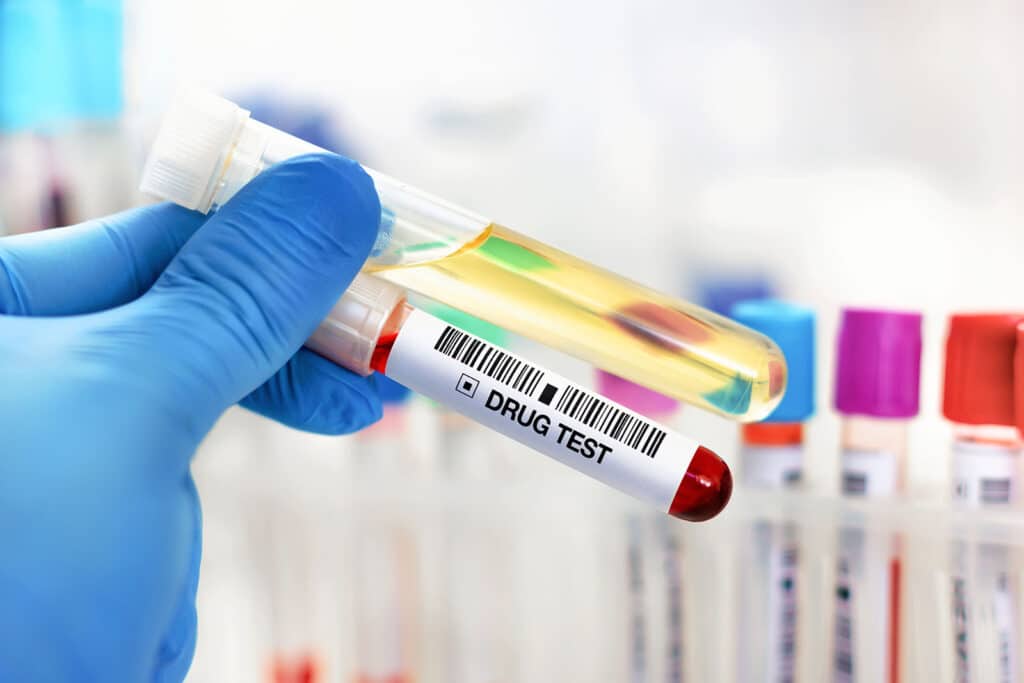
How long the high lasts and how long MDMA is detectable are two different things. The detection window depends on the type of test, your metabolism, how much and how often you used, and your overall health.
| Test type | Detection window |
|---|---|
| Urine | 1 to 3 days (up to 5 days or longer for heavy users) |
| Blood | 12 to 24 hours |
| Saliva | 1 to 2 days |
| Hair follicle | Up to 90 days |
Higher doses and frequent use take longer to clear, and reduced liver or kidney function can prolong detection. Staying hydrated, sleeping, and gentle activity support normal metabolism, but time is the only thing that truly clears MDMA from your system. No detox product removes it instantly.
When to Get Help

Medical emergencies
Some symptoms are not part of a normal comedown and need urgent care. Call emergency services or go to the nearest emergency room for:
- Severe confusion or agitation
- High fever or signs of overheating
- Seizures
- Chest pain or a racing heartbeat
- Signs of serotonin syndrome (agitation, rapid heartbeat, muscle rigidity, high fever)
Serotonin syndrome is a potentially life-threatening reaction caused by too much serotonin. High doses of MDMA can trigger it on their own, and the risk climbs sharply when MDMA is combined with other serotonergic drugs. The most dangerous combination by far is MDMA with an MAOI, which can be fatal, and serotonergic substances like DXM (found in some cough medicines) and tramadol also carry high risk. SSRIs are their own trap: they blunt MDMA’s effects, so people wrongly assume it is safe and take more, while the serotonin syndrome risk remains.
If you or someone else is having thoughts of suicide, call or text 988 in the US to reach the Suicide and Crisis Lifeline, or contact your local emergency number.
Signs you may need treatment
Research on whether MDMA is physically addictive is mixed, but it acts on the same neurotransmitter systems as other addictive drugs, and people can develop psychological dependence, especially when they use it repeatedly to manage comedowns. Signs it may be time to seek help include:
- Being unable to cut down or stop, despite wanting to
- Taking more than intended, often through back-to-back doses
- Continuing use despite negative effects on your health, work, or relationships
- Using MDMA or other substances to manage comedown symptoms
- Spending significant time and money obtaining and using it
- Pulling away from friends or avoiding events because of your use

How to Get Help
A standard comedown passes on its own with rest, and most people never need treatment for it. But when someone keeps using compulsively to escape the crash, or cannot cut down despite wanting to, that points to dependency rather than a one-off comedown, and effective addiction treatment is available for you or a loved one. Illinois Recovery Center is a treatment center offering treatment programs tailored to MDMA dependency and substance abuse, with both inpatient and outpatient treatment options depending on your needs.
For heavier or long-term use, care may begin with medically supervised detox, where healthcare staff manage withdrawal symptoms safely. From there, your treatment options are matched to your situation and may include:
- Behavioral therapy to address the underlying causes of use
- Group therapy for peer support
- Holistic approaches such as nutrition counseling and mindfulness-based therapy
- Dual-diagnosis treatment for co-occurring conditions like depression and anxiety
Whether inpatient or outpatient treatment is the better fit depends on how severe the substance abuse is, your home environment, and any co-occurring health issues. To learn more about the treatment programs at Illinois Recovery Center, contact us today. Our team is available around the clock to help you or your loved one find the right path forward.
Frequently Asked Questions
How long does an MDMA comedown last?
What helps an MDMA comedown?
What is the difference between an MDMA comedown and ecstasy withdrawal?
Is MDMA addictive?
What are the long-term effects of ecstasy use?
Sources
- National Institute on Drug Abuse, MDMA (Ecstasy/Molly): https://nida.nih.gov/research-topics/mdma-ecstasy-molly
- Mayo Clinic, Serotonin syndrome: https://www.mayoclinic.org/diseases-conditions/serotonin-syndrome/symptoms-causes/syc-20354758
- Alcohol and Drug Foundation, MDMA: https://adf.org.au/drug-facts/mdma/
- DanceSafe, Ecstasy: https://dancesafe.org/ecstasy/
- Serotonin transporter recovery after a single MDMA dose (animal study), PubMed PMID 20962361
Written by: The Illinois Recovery Center Editorial Team
Editor: Isaac Adams-Hands
Medically Reviewed by: MedicallyReviewed.com
Published on: February 1, 2025
Updated on: June 20, 2026
About Illinois Recovery Center
This guide was created and medically reviewed by the team at Illinois Recovery Center, a licensed private addiction treatment facility, using sources including the National Institute on Drug Abuse and the Mayo Clinic. It is educational and not a substitute for medical advice. A standard comedown can be managed safely at home. If you or a loved one is struggling with ongoing dependency, our team is here to talk, confidentially and without pressure.