


Memorial Day is a time to honor the brave men and women who gave their lives in service to our country. For many people, it’s also the unofficial start of summer. It’s long weekends filled with BBQs, cookouts, family gatherings, and, in many cases, alcoholic beverages.
While these traditions are meaningful for many, they can be quite challenging for anyone in recovery from alcohol addiction or substance abuse.
Why Memorial Day Weekend Can Be a Trigger
Memorial Day is meant to be a time of remembrance and gratitude. However, the way it’s celebrated today can be problematic for individuals working hard to maintain their sobriety.
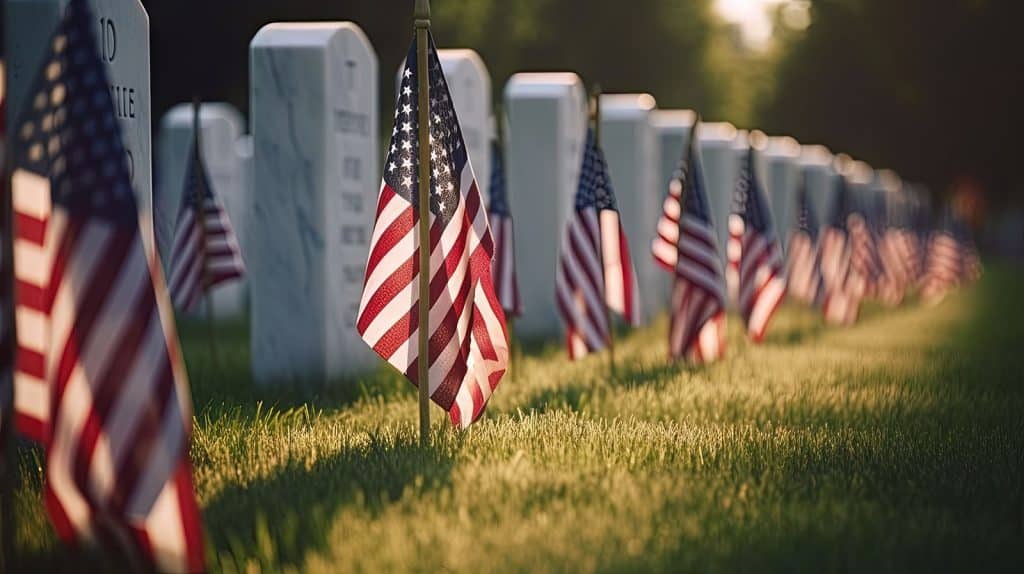
Here are the main reasons why it can be hard to handle these festivities.
Social Expectations
Even if you’re committed to an alcohol-free lifestyle, simply being around open coolers, pitchers, and mixed drinks can feel overwhelming. When everyone else seems relaxed and carefree, it’s easy to wonder whether “just one drink” would help you blend in or take the edge off.
That pressure, paired with the presence of alcoholic beverages, can quickly create a situation that threatens your sobriety if you’re not prepared.
Emotional Triggers
Memorial Day can stir deep emotions. Maybe you’re honoring a family member who served, or experiencing grief in your own way. Emotional vulnerability is often heightened during events centered on remembrance.
For someone in recovery, those emotions can become triggers. Sadness, loneliness, guilt, unresolved trauma, can lead to cravings or a desire to numb uncomfortable feelings.
Memorial Day’s focus on remembering loved ones can be particularly difficult if your past substance abuse affected your relationships or if you’re processing painful memories.
Increased Safety Risks
Another reality of Memorial Day Weekend is the spike in drinking-related incidents. Each year, the holiday is associated with higher rates of DUIs, accidents, and fatalities.
These statistics highlight why staying alcohol-free isn’t just beneficial for your recovery. It can also be a life-saving decision.
Preparing for a Sober Memorial Day
Staying sober during a holiday weekend doesn’t happen by accident. It happens with intention and preparation.

Plan and Set Personal Boundaries
Think through where you’ll be, who you’ll spend time with, and what situations might feel uncomfortable. For example:
- Will there be alcoholic beverages everywhere?
- Will you know anyone else who stays sober?
- Can you leave easily if you feel overwhelmed?
- Are you attending because you truly want to—or out of pressure?
Setting boundaries beforehand helps you stay aligned with your priorities. It’s absolutely okay to skip events that don’t feel supportive. You don’t owe anyone an explanation beyond a simple: “I’ve got other plans,” even if those plans involve staying home and protecting your peace.
It’s also smart to have an exit strategy. If an event becomes too loud, too alcohol-focused, or too emotionally charged, you should feel empowered to step away. Your well-being is more important than any invitation, expectation, or tradition.
Strengthen Your Support System
Before Memorial Day arrives, check in with the people who help you stay grounded. This might include:
- Sober friends
- A sober buddy who can accompany you to events or stay in close contact
- A support group meeting, such as AA, SMART Recovery, or a local peer-led gathering
- Your counselor or therapist
- A peer from your outpatient program
Staying in touch with your treatment team can be especially valuable. They know your triggers, they understand your history, and they can help you prepare mentally and emotionally.
Bring Non-Alcoholic Drinks
One practical but often overlooked strategy is to bring your own non-alcoholic drinks. It gives you something to hold, sip, and enjoy without worrying about what others are consuming.
Many people in recovery find that having a favorite alcohol-free option helps reduce temptation and prevents awkward conversations about why they’re not drinking.
There are countless options now, from sparkling water to alcohol-free beers, mocktail mixes, and creative fruit-infused blends.
How Professional Support Helps
While your personal support system plays a major role, professional help can offer structure, accountability, and tools that go deeper than what friends or loved ones can provide.

Why Clinical Support Matters Around Memorial Day
Holidays tend to disrupt our routines, and in recovery, routine is often a lifeline. When the long weekend arrives, schedules shift, social environments change, and triggers multiply. This is exactly where professional support becomes invaluable.
Clinicians understand the psychology behind relapse, emotional regulation, cravings, and grief. They can help you:
- Recognize personal triggers ahead of time
- Prepare coping strategies for emotionally charged situations
- Build a plan for navigating cookouts, BBQs, and social gatherings
- Stay accountable through regular check-ins
- Strengthen your mental health when holiday stress increases
This level of insight can create a buffer between you and any urge to use, giving you the confidence to face the weekend with clarity and purpose.
What Professional Help Looks Like
You don’t have to be in crisis to benefit from professional support during Memorial Day Weekend.
Here’s what that help typically includes:
- Detox: For those struggling with active alcohol use or withdrawal, medical detox provides a safe, supervised environment. It stabilizes the body and mind so you can begin treatment without risk.
- Outpatient Treatment: Outpatient programs offer structured therapy, including individual counseling, group sessions, and relapse prevention. This flexibility can be especially useful around holidays when you want support but still need to keep up with daily life.
- Therapy & Counseling: One-on-one therapy helps you explore emotional triggers, plan for high-risk events, and process difficult feelings associated with Memorial Day.
- Relapse Prevention Education: Clinicians can help you identify early warning signs of relapse and develop healthier coping strategies. This kind of preparation is extremely valuable in environments where alcoholic beverages are the norm.
- Family Support: Sometimes it’s not you who needs guidance. It’s the people around you. Family education services help your loved ones understand how to support your sobriety during holidays, gatherings, or stressful times.
Professional help exists to support your long-term success and protect your well-being when life gets complicated.
Alcohol-Free Memorial Day Activities
Just because you’re committed to a sober Memorial Day doesn’t mean you have to sit at home or miss out on the spirit of the holiday.

Here’s a list of 10 alcohol-free Memorial Day activities the whole family can enjoy:
- Visit a local memorial or veterans’ monument
- Attend a Memorial Day ceremony or parade
- Explore a military museum
- Go for a hike or nature walk
- Plan an alcohol-free picnic
- Volunteer with a community or veterans’ organization
- Go biking, kayaking, or paddleboarding
- Start the day with a peaceful outdoor morning routine
- Host a sober cookout or potluck
- Play outdoor games like frisbee, cornhole, or volleyball
Managing Triggers in the Moment
Even with the best planning, triggers can appear unexpectedly. A certain smell, a sudden wave of emotion, or seeing others drink may catch you off guard. What matters most is how you respond in those moments.
Recognize Early Warning Signs
Cravings rarely come out of nowhere. More often, they build gradually through subtle signals from your body and mind. Being aware of those early warning signs helps you catch them before they escalate. These may include:
- Feeling overwhelmed or overstimulated
- Irritability or tension
- Sudden sadness or loneliness
- Thoughts like “just one drink won’t hurt”
- Wanting to isolate or withdraw
- Fixating on alcoholic beverages at a gathering
Use Tools From Your Treatment Program
One of the biggest benefits of participating in addiction treatment is learning practical tools for real-life situations. Holiday weekends like Memorial Day are exactly when these tools become invaluable.

You might lean on:
- Breathing exercises to calm your nervous system
- Grounding techniques to bring you back into the present moment
- Journaling to express difficult emotions
- Mindfulness practices to help you stay centered
- Calling a sober friend or checking in with a sober buddy
- Attending a support group meeting if you need immediate connection
Know When to Leave
The truth is simple: if an event becomes too triggering, you do not need to stay.
Whether it’s loud drinking, emotional discomfort, or someone pushing alcoholic beverages your way, having an exit strategy gives you control. You can drive separately, set a personal time limit, or let a sober friend know you may need to text them.
Get Support When You Need It
If Memorial Day brings up difficult emotions, cravings, or situations that feel overwhelming, you don’t have to navigate them alone.
Illinois Recovery Center is here to help you continue your recovery journey with compassion and evidence-based care.
If you’re feeling unsure about the holiday or want to explore additional support, reach out anytime. Getting help is a sign of strength, and support is always available when you need it.