

Alcohol abuse is on the rise in the U.S. That’s according to the National Institute on Alcohol Abuse and Alcoholism, which revealed that nearly 30 million people aged 12 and older had an alcohol use disorder (AUD) in 2020. Another study published by the same organization found that roughly 21.5% of the U.S. population aged 12 and older frequently engaged in binge drinking in 2021. For reference, that’s around 60 million Americans. If these statistics aren’t troubling enough, alcohol-related deaths are also prevalent in the U.S. Available data shows roughly 97,000 and 43,000 men and women, respectively, die from alcohol-related causes annually. Behind smoking, consuming a poor diet, and leading a sedentary lifestyle, alcohol is the fourth leading preventable cause of death in this country.

The Four Most Telling Signs of Liver Damage
When someone develops any form of liver damage, the organ’s ability to digest food and remove toxic substances from the body becomes severely compromised.Four of the most telling signs of liver damage caused by excessive alcohol consumption include
1. Jaundice
Yellowing of the eyes is common among individuals with liver damage, especially those with alcoholic hepatitis or cirrhosis. That yellowing is called jaundice, and it is, arguably, one of the most telling signs of liver damage. Whenever someone develops an infection, the body breaks down red blood cells to help fight off that infection. In the process, it creates a yellowish substance known as bilirubin, which, over time, passes through the liver before finally being expelled from the body. Liver damage impedes this complex process. When bilirubin builds up in the body due to an unhealthy liver, most people develop jaundice, which shows up in their eyes. Since we are on the topic, jaundice, the yellowing of the skin and eyes.
2. Pain
The more damaged someone’s liver becomes due to excessive alcohol consumption, the more pain they will find themselves in. Most people struggling with alcohol-related liver disease report pain in their upper right abdomen. However, it is not uncommon for people to experience pain in their shoulders, joints, and backside. Depending on how long someone has had ARLD, the pain can be a dull ache or an intense, throbbing pain.
3. Indigestion
Because the liver plays such a critical role in the digestive process, it stands to reason that a damaged liver would trigger indigestion. When the liver can’t remove toxins from the body, acids in the stomach become blocked. Those blocked stomach acids eventually give way to gastroesophageal reflux disease (GERD), a medical condition that causes contents in the stomach to travel back into the esophagus. Along with regurgitation, GERD also causes bloating, burping, nausea, and laryngitis. It is also not uncommon for some people to experience a dry cough and develop a sour taste in their mouth.
4. Hyperinsulinemia
Hyperinsulinemia is a clinical term that denotes insulin resistance. Heavy drinking reduces the body’s sensitivity to insulin. Despite being a beverage, alcohol is high in calories. When someone consumes alcohol, those calories get stored in the liver as fat. Too much fat in the liver makes liver cells resistant while simultaneously spiking blood sugar levels. Hyperinsulinemia symptoms are the same as those associated with type 2 diabetes and include the following:
- An inability to focus
- Anxiety
- Difficulty concentrating
- Fatigue
- Frequent feelings of hunger
- Intense sugar cravings
- Weight gain
4 Warning Signs of a Liver Damage
| Warning Sign | Symptoms | Why It Happens |
|---|---|---|
| Jaundice | Yellow skin/eyes | Bilirubin buildup from impaired liver function |
| Pain | Upper right abdomen, shoulders, back | Liver inflammation and swelling |
| Indigestion | GERD, bloating, nausea | Impaired bile production and toxin removal |
| Hyperinsulinemia | Fatigue, sugar cravings, weight gain | Fat accumulation causes insulin resistance |
Other Signs to Watch For
Beyond the four primary warning signs, there are other signs of liver disease that shouldn’t be ignored. These may appear on their own or alongside jaundice, pain, indigestion, or hyperinsulinemia:
- Swelling in the legs and ankles (edema) — Fluid retention occurs when a damaged liver can no longer produce enough albumin, a protein that keeps fluid in the bloodstream.
- Fluid buildup in the abdomen (ascites) — Similar to edema, increased pressure in the liver’s blood vessels forces fluid into the abdominal cavity.
- Dark urine and pale stool — When the liver can’t process bilirubin properly, it affects the color of both urine and stool.
- Easy bruising and bleeding — The liver produces proteins necessary for blood clotting. When it’s damaged, even minor bumps can cause noticeable bruises.
- Itchy skin (pruritus) — Bile salts that the liver can’t process accumulate under the skin, causing persistent itching that doesn’t respond well to typical remedies.
- Confusion and difficulty thinking (hepatic encephalopathy) — When the liver fails to filter toxins from the blood, those toxins can reach the brain and impair cognitive function.
- Chronic fatigue — One of the most common yet overlooked symptoms, persistent exhaustion often accompanies liver damage because the organ can no longer efficiently convert nutrients into energy.
- Unexplained weight loss and loss of appetite — As liver function declines, the body’s ability to digest food and absorb nutrients deteriorates, often leading to nausea at the thought of eating and gradual weight loss.
- Vomiting blood — Liver damage can cause varices (swollen veins) in the esophagus or stomach. When these rupture, it can lead to vomiting blood, which requires immediate medical attention.
Many of these symptoms develop gradually, and some people attribute them to stress, aging, or other causes. That’s part of what makes liver damage so dangerous — it’s easy to overlook until significant damage has already occurred.
When to See a Doctor
Liver damage is often called a “silent” condition because symptoms may not appear until the disease has progressed significantly. If you notice any of the warning signs described above — especially jaundice, persistent abdominal pain, unexplained swelling, or confusion — it’s important to seek medical attention as soon as possible.
A healthcare provider can evaluate liver health through several diagnostic tools, including:
- Liver function tests (LFTs) — A healthcare provider can evaluate liver health through blood tests and several other diagnostic tools.
- Imaging tests — Ultrasound, CT scans, or MRI can reveal structural changes in the liver, including swelling, scarring, or fat buildup.
- Elastography (FibroScan) — A specialized imaging technique that measures liver stiffness, which can indicate the degree of scarring or fibrosis.
- Liver biopsy — In some cases, a small tissue sample may be taken from the liver for closer examination under a microscope.
Early detection can make a significant difference in outcomes. In the early stages, liver damage caused by alcohol is often reversible with the right medical support and lifestyle changes. Waiting until symptoms become severe limits treatment options and increases the risk of life-threatening complications.
If you or someone you care about is drinking heavily and experiencing any of these symptoms, don’t wait for things to get worse before reaching out for help.

Physical Health Consequences Associated With Alcohol Abuse
Except for alcohol poisoning, alcohol-induced asphyxiation, and losing their lives in an alcohol-related traffic accident, few people suddenly die from consuming too much alcohol. Instead, they develop chronic health conditions brought on by years of drinking that gradually draws the curtains close on their life. When someone engages in binge drinking or has a full-on alcohol use disorder, it increases their chances of developing head and neck, esophageal, breast, and colorectal cancers. But it does not end there; heavy drinking can also give rise to the following chronic health conditions:
- Diabetes
- Gout
- Heart disease
- Pancreatitis
Another chronic health problem linked to heavy drinking is liver damage, an alcohol-related health condition that negatively affects an estimated 4.5 million American adults.
What More People Should Know About the Relationship Between Alcohol Abuse and Liver Damage
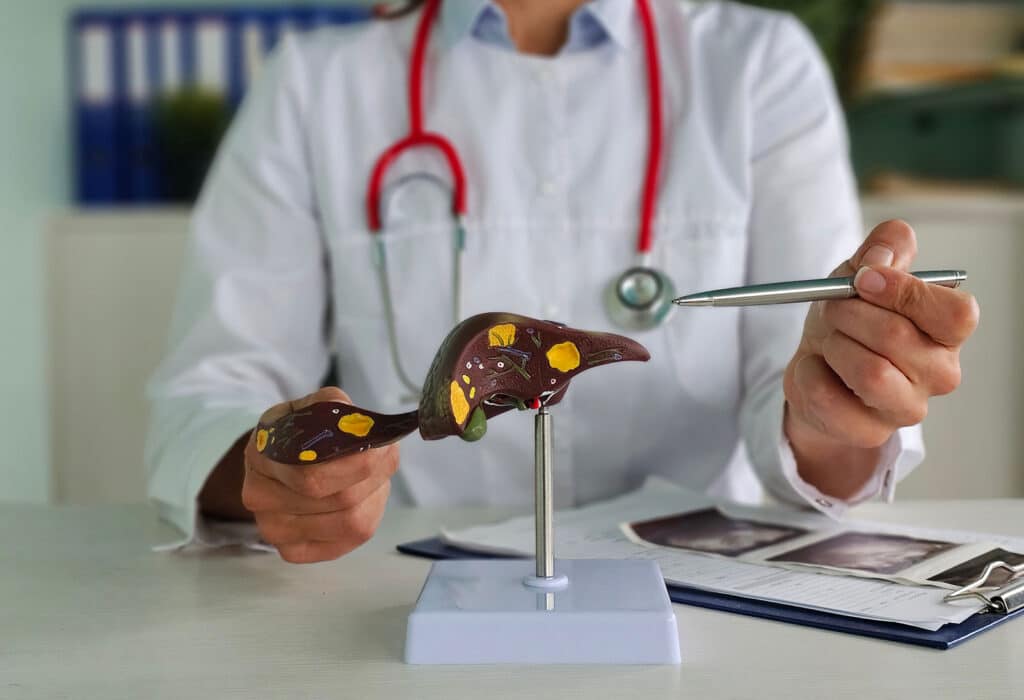
Regularly consuming large amounts of alcohol can cause fat to build up in the liver. When this happens, it is considered alcohol-related liver disease (ARLD). To appreciate how dangerous such a condition is, it helps to know a little more about the liver when it comes to the human body. The liver is a cone-shaped organ located in the abdomen, and it plays a critical role in produces bile, a fluid that travels through the bile ducts to aid in digesting fat and breaking down food. It also cleans and removes toxins from the blood, including alcohol. Whenever someone consumes alcohol, even in small amounts, it destroys some of the cells in their liver. The liver can create new ones, but over time, excessive alcohol consumption interferes with that process. And when that happens, it leads to ARLD, which comes in stages, the first of which is fatty liver disease.

Stage One: Fatty Liver Disease
Also known as steatosis, fatty liver disease is stage one of ARLD and is characterized by the excessive build-up of fat in the liver. Generally speaking, a healthy liver comprises 5.5% or less fat. Anything over 5.5% constitutes a fatty liver. Most people don’t experience any symptoms during this stage. And it usually resolves itself when they stop drinking for a few weeks or months. However, if they continue to drink excessively, they progress to stage two and eventually stage three of ARLD.
Stage Two: Alcoholic Hepatitis
Unrelated to infectious hepatitis, alcoholic hepatitis is a byproduct of a prolonged alcohol use disorder or binge drinking. When someone develops alcoholic hepatitis, the liver becomes inflamed, triggering several unpleasant symptoms. Some of the more notable of these, according to the Mayo Clinic, include the following:
- Abdominal pain
- Fatigue and weakness
- Fever
- Jaundice
- Loss of appetite
- Malnutrition
- Nausea and vomiting
The longer someone consumes alcohol after developing alcoholic hepatitis, the more damage their liver becomes. The more damaged the liver becomes, the greater the risk of encountering severe health complications. Some of those complications include the development of enlarged veins that restrict blood flow, ascites, kidney failure, and cirrhosis, the final stage of ARLD. For reference, a study published by the National Institutes of Health revealed that 10% to 35% of heavy drinkers have alcoholic hepatitis. Left untreated, cirrhosis also increases the risk of developing liver cancer.
Stage Three: Cirrhosis
The last and final stage of ARLD is the worst, say most gastroenterologists and hepatologists. And it’s not too difficult to see why they share that opinion. In short, cirrhosis refers to severe and irreversible scar tissue forming on the liver. If an individual doesn’t seek treatment for cirrhosis and continues to drink, they will develop more and more scars on their liver. Eventually, the liver loses its ability to perform critical, life-sustaining functions, which can prove fatal. Cirrhosis symptoms are similar to alcoholic hepatitis symptoms in that most people with cirrhosis struggle with jaundice, fatigue, and changes in appetite. They also struggle with the following:
- Clubbing of the fingers
- Edema
- Fluid retention in the abdomen
- Itchy skin
- Palmar erythema
- Telangiectasias
- Unintended weight loss
Along with the above, there are cirrhosis symptoms that men and women develop specifically. Some women who have not started menopause may experience changes in their menstrual cycle when they develop cirrhosis. Some men experience low libido, testicular shrinkage, or gynecomastia.
Treatment and Recovery
The good news is that liver damage caused by alcohol doesn’t always have to be permanent. In many cases, especially when caught in the earlier stages, the liver has a remarkable ability to heal — but only when the drinking stops.
Treatment for alcohol-related chronic liver disease typically involves a combination of approaches:
- Abstinence from alcohol — This is the single most important step at any stage of ARLD. For those with fatty liver disease, stopping drinking for even a few weeks can allow the liver to begin recovering.
- Medical supervision and detox — For people with an alcohol use disorder, stopping suddenly can be dangerous. A medically supervised detox provides a safe environment to manage withdrawal symptoms.
- Nutritional support — Chronic alcohol use weakens the immune system, compounding the liver’s inability to fight infection. Addressing malnutrition through dietary changes and supplementation is an important part of recovery.
- Medications — Depending on the stage and severity, doctors may prescribe medications to manage inflammation, reduce complications like ascites, or address related conditions.
- Liver transplant — In cases of advanced cirrhosis where the liver can no longer function, a transplant may be the only option. However, transplant eligibility typically requires a demonstrated period of sobriety.
Recovery from alcohol-related liver damage isn’t just about treating the organ — it’s about treating the underlying cause. That means addressing the alcohol use disorder itself. Without that step, medical treatments can only do so much.
The Illinois Recovery Center provides comprehensive alcohol addiction treatment that addresses both the physical and psychological aspects of alcohol use disorders. If you or a loved one is struggling with alcohol abuse and concerned about liver problems, our team can help develop a personalized treatment plan that supports lasting recovery. Contact us today to schedule a confidential consultation.
Conclusion
In summary, the health consequences associated with excessive alcohol consumption are many. There is also something to be said about the toll someone’s drinking can have on their friends, family, and the community they call home. For those unaware, alcohol use disorders and binge drinking are known to contribute to domestic violence, traffic accidents, and sexual and physical assault. Bearing that in mind, if you or someone you love has a problem with alcohol, consider scheduling a consultation with the Illinois Recovery Center, a leading drug and alcohol addiction treatment rehab in Illinois well versed in alcohol addiction recovery.
Frequently Asked Questions About Liver Damage
Can liver damage from alcohol be reversed?
What causes liver damage besides alcohol?