


Alcohol poisoning can be fatal. It’s when there’s too much alcohol in the blood, causing a cascade of life-threatening complications to the body.
In rare but serious cases, if the alcohol was consumed very recently (within 60 minutes or less), doctors might use a stomach pump to suction alcohol from the stomach.
Today, we explain stomach pump for alcohol poisoning, how it works, and what patients and loved ones can expect during the procedure.
What Is a Stomach Pump (Gastric Lavage)?
A stomach pump, medically known as gastric lavage or gastric suction, is an emergency procedure used to clear out the contents of the stomach (decontamination). It’s usually performed when someone has ingested dangerous amounts of alcohol or a toxic pill.
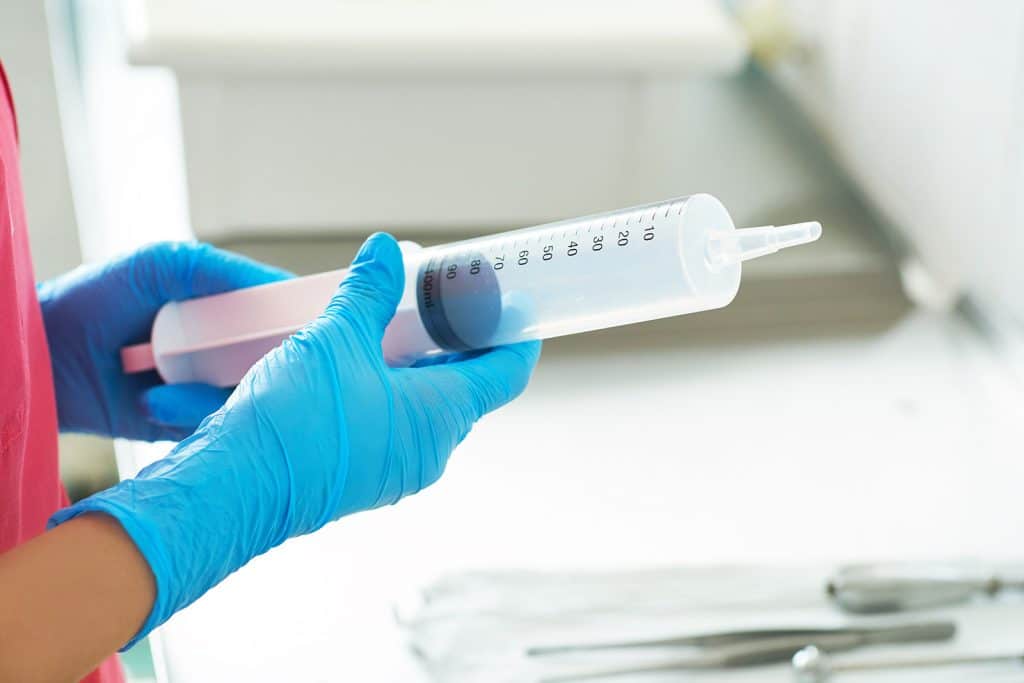
However, it’s not a routine procedure for poisoning like it used to be. In fact, the American Academy for Clinical Toxicology advises against it for most poisoning cases.
Many toxicologists agree it’s really not much more effective than whole bowel irrigation (WBI) or activated charcoal therapy, both less invasive and with fewer risks.
When Is a Stomach Pump Used for Alcohol Poisoning?
Before we discuss when a stomach pump might be helpful, let’s first talk about what alcohol poisoning looks like.
People sometimes mistake alcohol poisoning for “just having too much.” So, how can you know for sure it’s not just a nasty hangover? Watch out for these red flags:
- Extreme confusion or unresponsiveness
- Inability to stay awake or wake up
- Vomiting or choking on vomit
- Seizures
- Low heart rate or irregular breathing
- Pale, bluish, or clammy skin
- Very low body temperature
Important: If someone shows any of these symptoms, call 911 immediately.
Now, on to the stomach pump.
First off, a stomach pump is not routine treatment for alcohol poisoning, and definitely not for alcohol addiction. What’s more common for alcohol overdose patients are IV fluids, oxygen, vitamins, and careful monitoring while their body metabolizes the alcohol naturally.
In rare and severe emergency situations, a stomach pump is usually only considered if:
- The person gets to the hospital within about an hour of heavy drinking
- And has ingested lethal amounts of alcohol.
Second point, alcohol absorbs fast, maybe faster than you can make it to the hospital. Pumping the stomach won’t do much good (or even make things worse) if the alcohol is already in your bloodstream.
That’s why gastric lavage is rarely done nowadays. Most people simply don’t get to the ER in time. Even when they do, there are serious risks involved, like aspiration (when vomit gets into the lungs).
What if the patient is unconscious and has no gag reflex (which happens a lot with severe alcohol poisoning)? In that case, they’ll need to be intubated first.
That means a breathing tube has to be put in to keep the airway safe during the procedure. Again, that’s precious time eating into the critical window for a lavage.
Every second counts. Any more delays, and the patient may have gone through all this trouble for nothing.
Also not good candidates for a stomach pump? Those who’ve recently had abdominal surgery. We’ve already mentioned that a stomach pump is invasive (we’ll get into just how invasive in a while). Doing so while the area is still healing raises the risk of internal hemorrhage.
What Happens During a Stomach Pump?
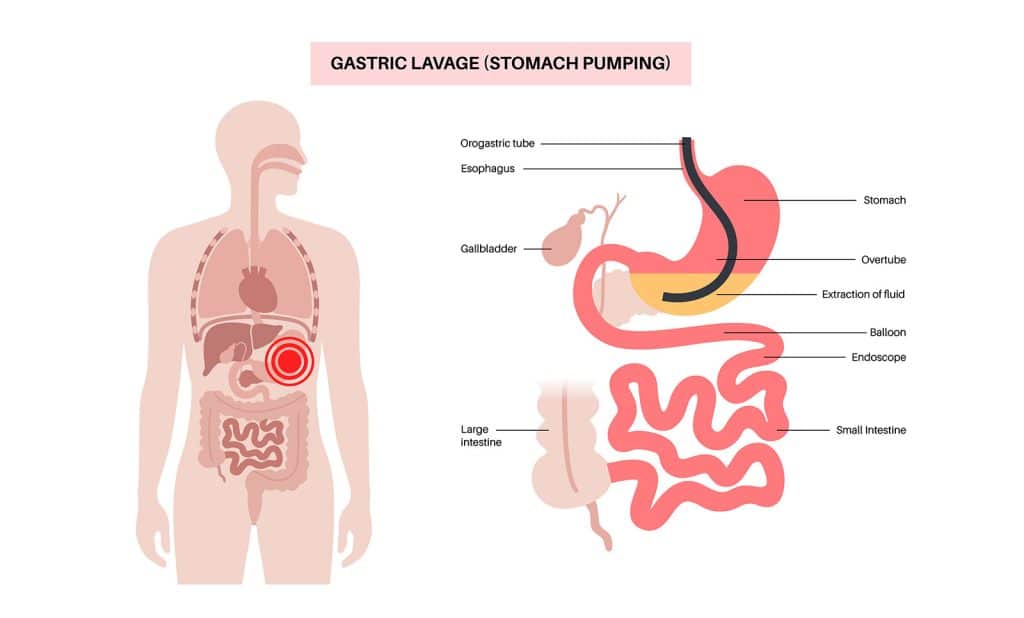
If a stomach pump is needed, here’s what typically happens:
1. Initial Assessment
First, the emergency team will evaluate the patient’s condition. They’ll check vital signs, ask about what was consumed, and may order an X-ray or endoscopy to get a better look at the gastrointestinal tract.
If the person is unconscious or semi-conscious, the priority is to protect the airway. In some cases, doctors will use a vocal cord scope or insert a breathing tube to prevent choking or aspiration before moving forward.
2. Tube Insertion
Next, a nasogastric tube (through the nose) or orogastric tube (through the mouth) is gently inserted into the esophagus, leading into the stomach.
A trained medical professional will do this carefully, often using a local anesthetic to ease the discomfort. Though uncomfortable, this step is typically quick.
3. Flushing the Stomach
Once the tube is in place, the team will flush the stomach using saline solution or sterile water. After each flush, the liquid and whatever toxic substance is in the stomach are suctioned back out through the tube.
This is repeated several times to clear out as much toxicants as possible.
Sometimes, activated charcoal may also be administered. While it isn’t typically effective for alcohol, it may help for drug overdoses involving substances like carbamazepine, phenobarbital, or quinine.
4. Monitoring and Follow-Up
After the stomach is cleared, the patient is closely monitored for complications. The care team will watch for electrolyte imbalances, signs of aspiration pneumonia, or any lingering toxicity.
From there, supportive care continues (IV fluids, oxygen, etc.) until the person is stable and no longer at immediate risk.

Stomach Pump Risks and Side Effects
Gastric lavage can be lifesaving, but it’s not without risks. Complications include:
- Aspiration (when stomach contents accidentally enter the lungs)
- Injury to the esophagus or other parts of the digestive tract
- Nose, throat, or sinus injuries
- Electrolyte imbalances, which can affect heart and muscle function
- Internal bleeding
That’s why this medical procedure is done by highly trained healthcare providers, and only if the benefits outweigh the risks.
Frequently Asked Questions
What Is the Recovery Time?
How Soon Can You Eat Solid Foods After a Stomach Pump?
Should You Get a Stomach Pump for Alcohol Poisoning?
Stomach pump for alcohol poisoning is only done in rare, urgent cases within the first hour of drinking poisonous amounts of alcohol.
If alcohol use has become a regular struggle, don’t wait for it to turn into a medical crisis. Early intervention can change everything.
Give us a call today, and we’ll connect you to a healthcare professional who can provide you with personalized help.
Sources:
- https://pubmed.ncbi.nlm.nih.gov/9482426
- https://www.sciencedirect.com/topics/pharmacology-toxicology-and-pharmaceutical-science/gastric-lavage
- https://pubmed.ncbi.nlm.nih.gov/3710499
- https://my.clevelandclinic.org/health/diseases/alcohol-withdrawal