


Your kidneys and liver work around the clock to filter toxins from your body. What you drink directly impacts how well these vital organs function.
So, if you’re dealing with chronic kidney disease, liver problems, or simply want to support your overall health, you should know that choosing the right beverages makes all the difference.
Our guide today explores the best drinks that naturally support kidney function and liver health. We also include drinks to avoid, so you’re well-informed.
1. Water: Your Foundation for Kidney Health
Water is the most important drink for your kidneys. About 60% of your body is water, and your kidneys need it to make urine and remove waste products. When you drink enough water, you help keep your blood vessels open so blood can reach your organs properly.

Studies show that people who drink almost 2 liters of water daily are less likely to develop kidney problems. This is especially true for older adults and men. The general rule is 8 glasses of water per day, but your needs may vary based on your activity level and health conditions.
According to the National Kidney Foundation, water is the best choice for kidney health because it has no calories, sugar, or additives. Your kidneys use water to filter waste and keep the body functioning properly.
If you have chronic kidney disease (CKD), talk to your healthcare professional about your fluid intake. Some people with kidney problems need to limit fluids, while others benefit from drinking more water to support kidney function.
2. Green Tea: Antioxidant Properties
Green tea contains catechins. They’re powerful antioxidants that reduce inflammation and oxidative stress in your body. These compounds also help protect your kidney cells from damage and may slow the progression of chronic kidney disease.

The catechin EGCG (epigallocatechin-3-gallate) is particularly beneficial for kidney health. Plus, green tea helps reduce the risk of kidney stones and supports overall kidney function. For your liver, green tea reduces fat buildup and supports detoxification processes.
With that, you should stick to only 1-2 cups of green tea daily. Too much caffeine can raise your blood pressure, which is hard on your kidneys. If you have kidney disease, monitor your potassium levels and consult your dietitian about the right amount for you.
Also Read: 4 Warning Signs Your Liver is Damaged
3. Cranberry Juice: For UTI Prevention
Unsweetened cranberry juice is excellent for preventing urinary tract infections (UTIs), which can stress your kidneys. Cranberries contain flavonoids and polyphenols that prevent harmful bacteria from sticking to your urinary tract walls.
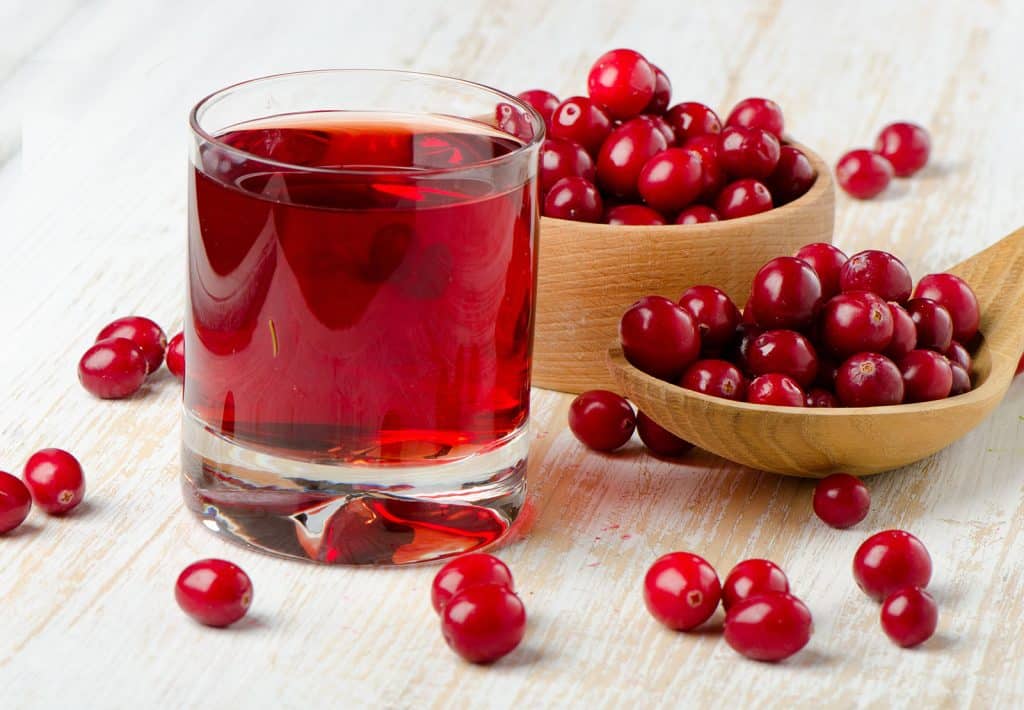
Note: People with kidney disease need to be extra careful about UTIs because they can lead to kidney infections. Cranberry juice may also help prevent bacteria from sticking to your kidneys directly.
The National Kidney Foundation notes that UTIs can be especially dangerous for people with existing kidney conditions, making prevention a key part of kidney care.
We recommend choosing pure, unsweetened cranberry juice to avoid added sugars that can spike your blood sugar levels. High blood sugar damages your kidneys over time, so monitoring its levels is crucial for maintaining kidney health.
4. Lemon Water: A Natural Liver Cleanser
Lemon water supports both kidney and liver health. For your kidneys, lemon increases citrate levels in your urine, which helps prevent kidney stones from forming. The vitamin C and antioxidants in lemons also support overall kidney function.

As for your liver, lemon water helps stimulate bile production and supports detoxification. The citrus helps flush out toxins, while providing essential nutrients your liver needs to function properly.
Add the juice of half a lemon to a glass of warm or cold water. Drink this first thing in the morning on an empty stomach for maximum health benefits. You can safely enjoy 4-6 tablespoons of lemon juice mixed with water daily.
5. Coconut Water: An Electrolyte Balancer
Coconut water is rich in potassium, which helps prevent kidney stones by reducing buildup in your kidneys. Additionally, it’s a natural hydrator that’s especially good after exercise or in hot weather.
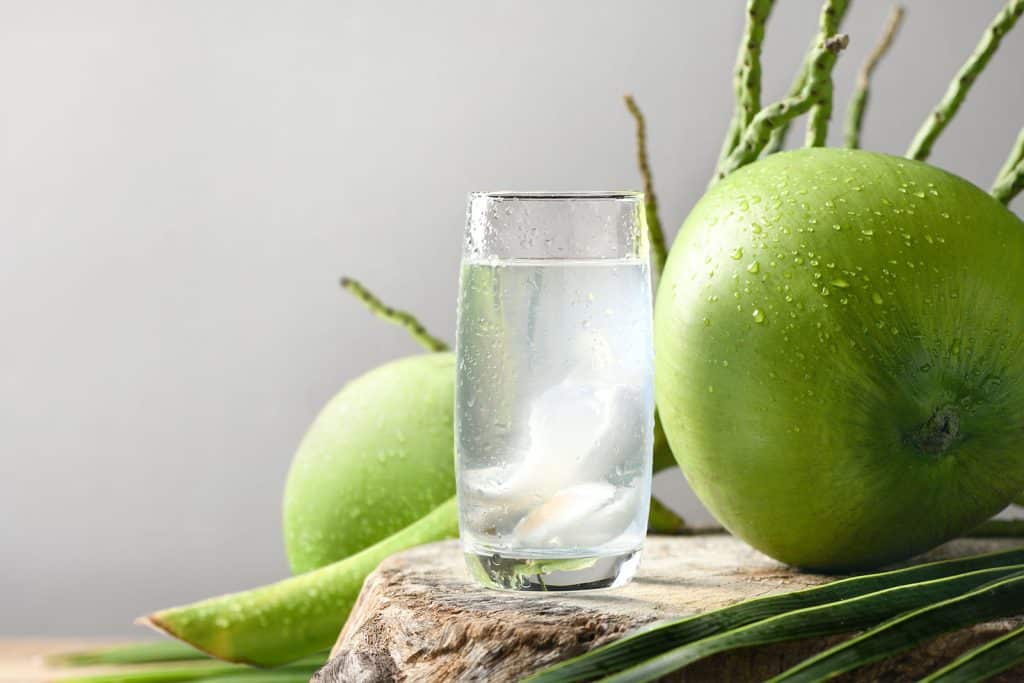
However, if you have CKD or are on dialysis, be careful with coconut water. The high potassium content might be too much for damaged kidneys to handle. Always check with your healthcare provider about your potassium levels before adding coconut water to your diet.
But, for people with healthy kidneys, coconut water provides natural electrolytes without artificial additives found in many sports drinks.
Also Read: Can Kidneys Recover from Alcoholism?
6. Herbal Teas: For Gentle Kidney Support
Several herbal teas support kidney and liver health without caffeine. Dandelion tea, for instance, acts as a natural diuretic. It helps your kidneys eliminate excess waste products and fluids. It also supports liver detoxification.

Another great drink is ginger tea. It reduces inflammation throughout your body, including your kidneys. This anti-inflammatory effect may help reduce your risk of chronic kidney disease. Ginger protects your liver and improves digestive health as well.
We recommend peppermint tea too, as it improves digestion and supports your liver’s detoxifying functions. It’s soothing and can help with nausea, which is common in people with kidney problems.
Note: Always consult your healthcare professional before adding herbal teas to your routine, especially if you take medications or have existing health conditions.
7. Low-Fat Milk: Contains Protective Nutrients
Research shows that people with chronic kidney disease who drink low-fat milk have slower disease progression. Scientists believe this happens because milk contains calcium, potassium, vitamin D, and magnesium. All these nutrients help lower blood pressure and protect your kidneys.

The key, however, is choosing low-fat options. High-fat milk doesn’t provide the same kidney protection benefits. If you’re on a low-potassium or low-phosphorus diet due to kidney disease, talk to your dietitian about whether milk fits your meal plan.
If dairy doesn’t work for you, unsweetened plant-based milks like almond or coconut milk can be kidney-friendly alternatives. Many plant-based options contain less potassium and phosphorus than dairy milk, which matters if you’re managing CKD. However, not all plant-based milks are equal — some contain added sugars, phosphorus additives, or higher potassium levels depending on the base ingredient. Rice milk tends to be the lowest in both potassium and phosphorus, while soy milk runs higher. Check the nutrition label and choose unsweetened, additive-free versions. Your dietitian can help you pick the best option for your specific dietary needs. The National Kidney Foundation recommends checking labels carefully, as some plant-based milks contain phosphorus additives that aren’t kidney-friendly.
Also Read: Signs Your Liver is Healing from Alcohol
8. Turmeric Drinks: Anti-Inflammatory Properties
Turmeric contains curcumin. The latter is a compound with powerful anti-inflammatory and antioxidant properties. These properties help protect your kidneys from damage and support your liver’s ability to process toxins.

Turmeric protects your liver by helping reduce fat buildup and supporting the regeneration of healthy liver cells. It also helps flush out harmful toxins while reducing inflammation.
To make this drink, mix one teaspoon of turmeric powder with warm milk or water. It’s important to add a pinch of black pepper to improve curcumin absorption. You can safely use 1-3 grams of turmeric daily, but don’t exceed this amount without medical advice.
9. Vegetable Juices: For Nutrient-Dense Support
Fresh vegetable juices, such as cucumber juice and beet juice, provide concentrated nutrients that support both kidney and liver health.

For starters, cucumber juice has a cooling effect and helps eliminate toxins while providing hydration. Beet juice, on the other hand, is rich in antioxidants and nitrates. These substances improve blood flow and support detoxification.
The nitrates help your blood vessels function better, improving circulation to your kidneys. However, beet juice is high in potassium and oxalate, so people with kidney stones or CKD should practice caution.
We recommend diluting vegetable juices with water and consuming them in moderation.
Bonus: Berry Smoothies for Kidney-Friendly Nutrition
Blueberry and strawberry smoothies are a simple way to support kidney and liver health. These berries are rich in polyphenols and antioxidants that have a protective effect on kidney cells and help reduce oxidative stress in the liver.

To make a kidney-friendly smoothie, blend a handful of blueberries or strawberries with plain yogurt and water. Unlike many fruit juices, whole-fruit smoothies retain their fiber content, which helps regulate blood sugar — an important factor for kidney health.
Berries are also naturally lower in potassium compared to fruits like bananas or oranges, making them a safer option for people managing chronic kidney disease. As always, check with your dietitian or healthcare provider about portion sizes that fit your individual needs.
What to Avoid for Kidney and Liver Health
Protecting your kidneys and liver means knowing what drinks to limit or avoid entirely. These beverages can worsen kidney problems, increase your risk of kidney stones, or put extra strain on your liver.
Alcohol
It’s one of the worst drinks for both organs. Heavy drinking can lead to kidney damage and liver disease.

Even moderate alcohol consumption can raise your blood pressure, which harms your kidneys over time. Healthy adults should limit alcohol to no more than one drink per day for women and two for men.
Also Read: Will Your Liver Heal if You Quit Drinking?
Sugary Drinks
Those include soda, energy drinks, and sweetened juices. They spike your blood sugar levels, and high blood sugar damages your kidneys and can lead to kidney failure over time.
These drinks also contribute to weight gain and high blood pressure, both of which are high-risk factors for kidney disease. The phosphorus additives in many sodas are particularly harmful if you have CKD.
The National Kidney Foundation warns that the phosphorus additives in many sodas are particularly harmful for people with CKD, as damaged kidneys can’t filter excess phosphorus effectively.
High-Sodium Drinks
Sports drinks and vegetable juices with added salt can raise your blood pressure. High blood pressure is a leading cause of kidney damage. Always check labels and choose low-sodium options when possible.
Energy Drinks
Such drinks contain excessive caffeine and other stimulants that can spike your blood pressure and strain your kidneys. The high sugar content also makes them harmful for people with diabetes or kidney problems.
Excessive Coffee
Too much coffee can be problematic if you have kidney disease. While moderate coffee consumption may protect healthy kidneys, too much can increase potassium levels in people with kidney problems.
We suggest sticking to fewer than 3 cups daily. Additionally, avoid added syrups or creamers that contain phosphorus.
Artificially Sweetened Drinks
While these drinks seem like a healthy alternative, some artificial sweeteners can be hard on your kidneys when consumed in large amounts. Water is always the better choice for hydration.

Closing Thoughts
Supporting your kidney and liver health through smart drink choices is one of the easiest steps you can take for your overall health.
Water is your best friend. Green tea, lemon water, and unsweetened cranberry juice provide additional benefits. Just remember that moderation is key, and individual needs vary according to your health conditions.
Always consult your healthcare professional before making significant changes to your diet, especially if you have kidney disease, liver problems, or take medications.
Frequently Asked Questions
Can these drinks cure kidney or liver disease?
How much water is too much?
Are kidney health supplements better than these drinks?