


Are you facing an upcoming drug test and worried about getting accurate results? What you might not realize is that everyday foods could trigger a false positive drug test result.
Many before you have failed a urine drug test simply because they ate a poppy seed bagel for breakfast or sipped some tonic water. It happens more often than you think.
This is why you should be informed. Certain foods and over-the-counter medications can interfere with your drug test results. So, avoid unexpected complications by scrolling along and learning what they are.
1. Poppy Seeds
That innocent poppy seed bagel you grabbed for breakfast could land you in hot water during a urine drug screen.

Poppy seeds come from the same opium poppy plant used to make heroin, and they naturally contain trace amounts of morphine and codeine. Sure, these levels are far too low to produce any psychoactive effects, and they can be enough to trigger a false positive result for opiates.
The concentration of opioids in poppy seeds ranges from 0.5 to 10 micrograms per gram. According to research, consuming poppy seeds can cause detectable levels of morphine metabolites in your urine sample for up to 24 hours, particularly with larger servings.
So, why does this cross-reactivity happen? That’s because standard immunoassay tests can’t always distinguish between the innocent consumption of poppy seeds and actual illicit drug use.
2. Hemp Seeds and CBD Products
Hemp seeds and CBD products are becoming increasingly popular, but they can cause unexpected issues with drug testing.
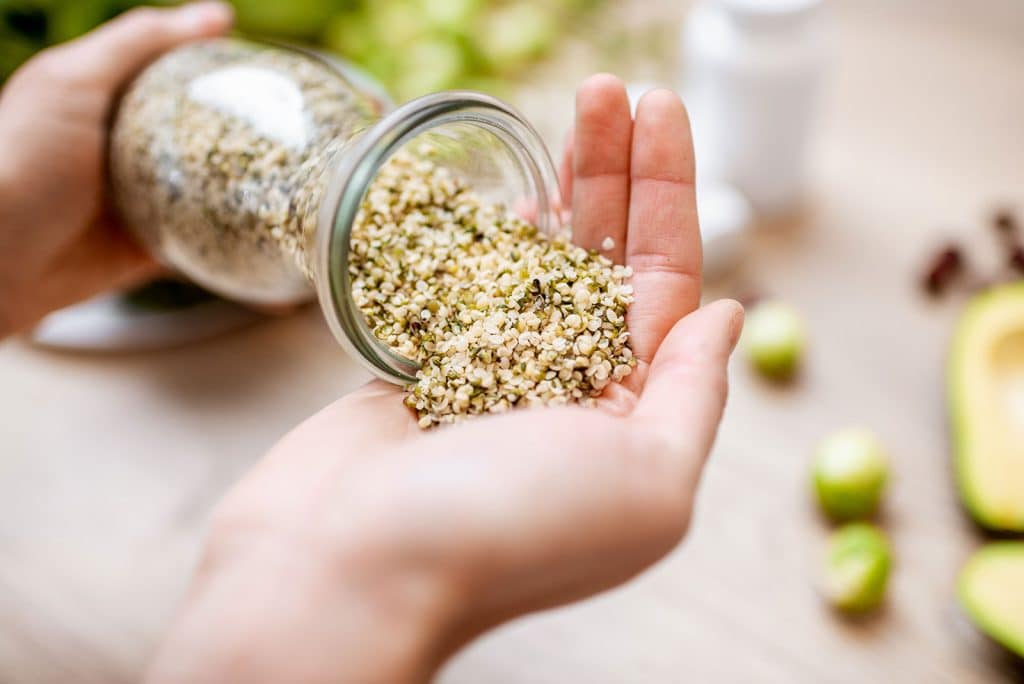
For starters, hemp seeds come from the cannabis plant, but contain less than 0.3% THC (tetrahydrocannabinol). However, regular consumption can lead to THC accumulating in your fat cells over time.
The problem is that even these trace amounts can build up and persist in your system for up to five weeks, especially with regular daily consumption. Some CBD products may contain higher levels of THC than advertised.
Note: The lack of regulation in this industry means you might unknowingly consume enough cannabinoids to trigger a positive result on urine drug screens for marijuana use.
3. Coca Tea
If you’re a fan of herbal teas, be careful with coca tea before any drug testing. This delicious South American beverage is made from coca leaf—the same plant used to produce cocaine.
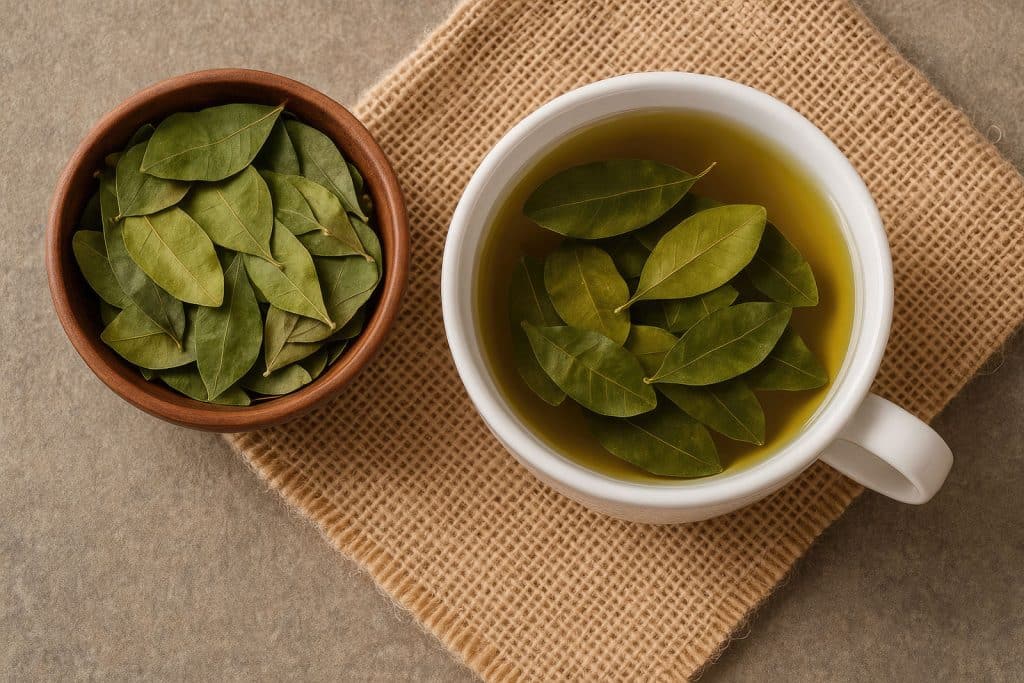
While coca tea won’t make you high, it breaks down into cocaine metabolites that can show up on drug tests.
Research shows these metabolites can be detected in your body for up to 36 hours after consumption. Additionally, they may appear in urine samples as quickly as two hours after drinking the tea.
The good news is that the gas chromatography/mass spectrometry (GC-MS) confirmatory test should be able to distinguish between coca tea consumption and actual cocaine use. The initial screening could still flag you, though.
4. Tonic Water
That refreshing gin and tonic might seem harmless, but tonic water contains quinine, which can interfere with certain drug tests. Fun fact: Quinine was originally used to treat malaria and is still found in tonic water today.

So, where’s the problem? It’s that quinine is sometimes used to cut illegal drugs like heroin on the street.
Because of this, consuming tonic water can potentially cause your urine to test positive for various substances. And again, most immunoassay tests can’t differentiate between the two.
That said, this is relatively rare. But it’s worth keeping in mind if you’re a regular tonic water drinker.
5. Pizza and Baked Goods
Surprise, right? It’s true, however, that pizza and other baked goods can potentially cause issues with breathalyzer tests.

The yeast used in pizza dough and bread ferments sugars into alcohol during the rising process. The alcohol content is minimal and won’t make you feel intoxicated. It might leave trace amounts in your mouth, though.
Sensitive breath testing equipment can detect these residual alcohol levels, especially if you’ve recently consumed fresh bread or pizza. After all, the alcohol from fermentation is ethanol, the same type found in alcoholic beverages. That’s why breathalyzers can pick it up.
Luckily, this mouth alcohol typically dissipates quickly, but timing matters for accurate test results.
6. Durian Fruit
The controversial durian fruit, beloved in Asia but despised by many due to its strong aroma, can also cause false positive results on alcohol breath tests. When you eat durian, it can leave lingering mouth alcohol that breathalyzers detect.

What many people don’t know is that the fruit’s unique composition creates alcohol-like compounds that remain in your mouth after consumption. While this won’t affect blood tests or urine samples, it can temporarily skew breathalyzer readings.
The effect is usually short-lived, also. Regardless, it’s something to consider if you’re in an area where durian is commonly consumed.
7. Mouthwash and Personal Care Products
Many OTC mouthwashes contain ethanol, which can cause false positives on alcohol tests. Products like Listerine can contain up to 27% alcohol by volume. So, when you use these products, some alcohol can remain in your mouth, which breathalyzers can detect.
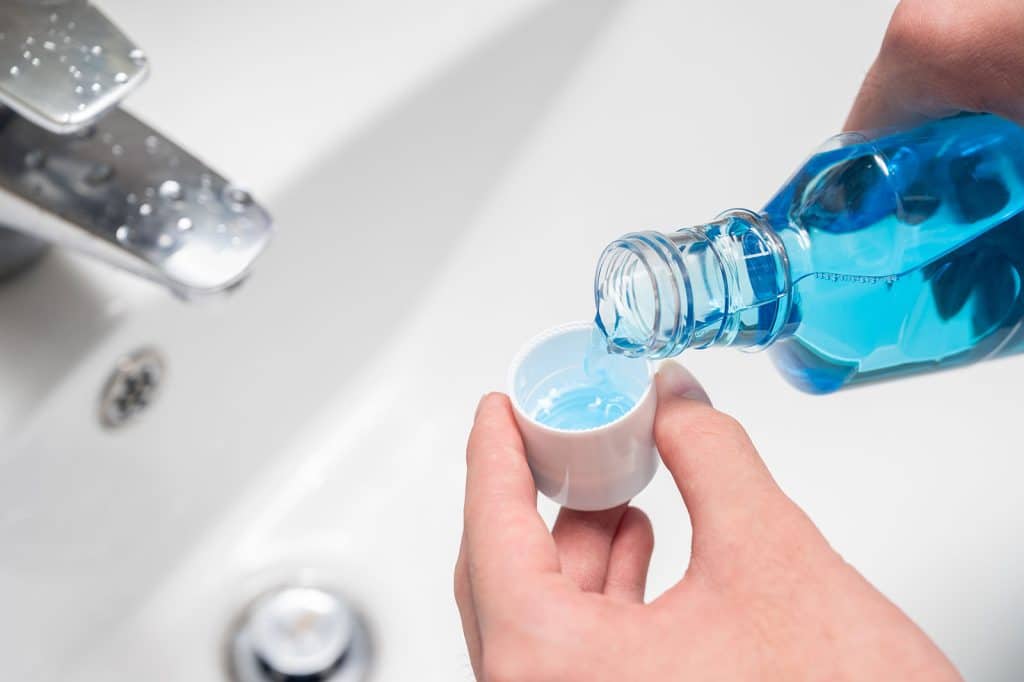
Similarly, alcohol-based hand sanitizers have become ever-present after the COVID pandemic. Regular use of these products can potentially affect test results. The alcohol can be absorbed through your skin or inhaled, creating detectable levels in your system.
8. Certain Supplements and Vitamins
Some dietary supplements and vitamins can interfere with drug test accuracy. Vitamin B supplements, particularly those containing riboflavin, can sometimes affect urine drug screens.
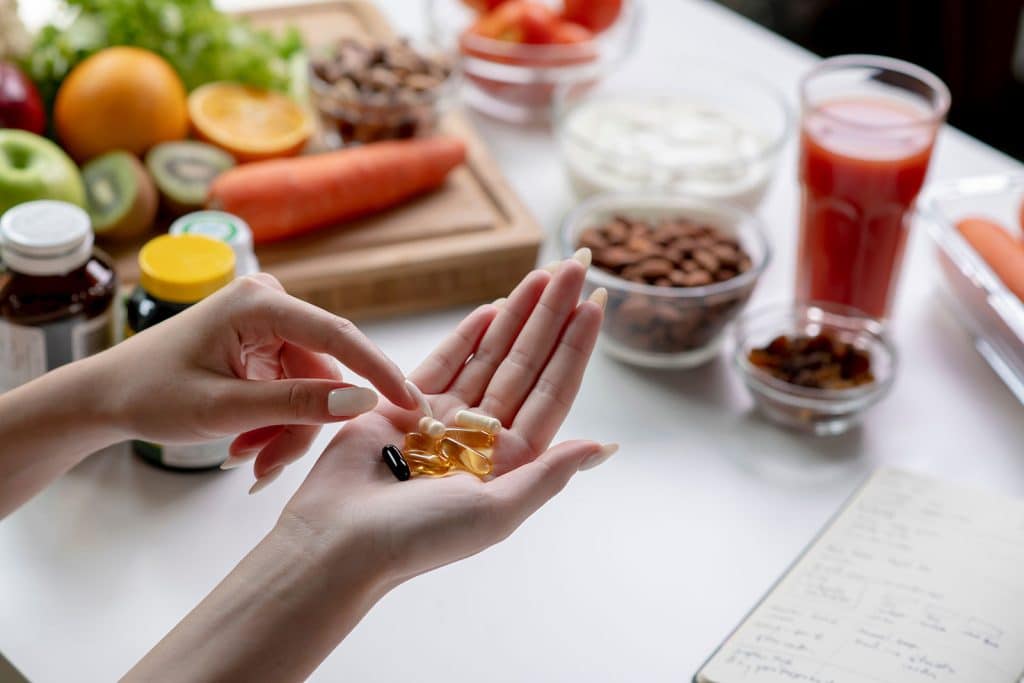
Additionally, supplements containing pseudoephedrine or ephedrine can cause false positives for amphetamines or methamphetamine.
Note: Herbal supplements aren’t regulated as strictly as prescription medications, so their contents can vary widely. Some may contain compounds that cross-react with drug tests, leading to unexpected results.
9. Certain Medications and Prescription Drugs
Antidepressants, such as sertraline (Zoloft) and Wellbutrin, can sometimes cross-react with tests for benzodiazepines and amphetamines.
Plus, the HIV medication, efavirenz, may cause false positives for cannabis use, while the weight loss drug, phentermine, can trigger positive results for amphetamines due to its similar chemical structure.
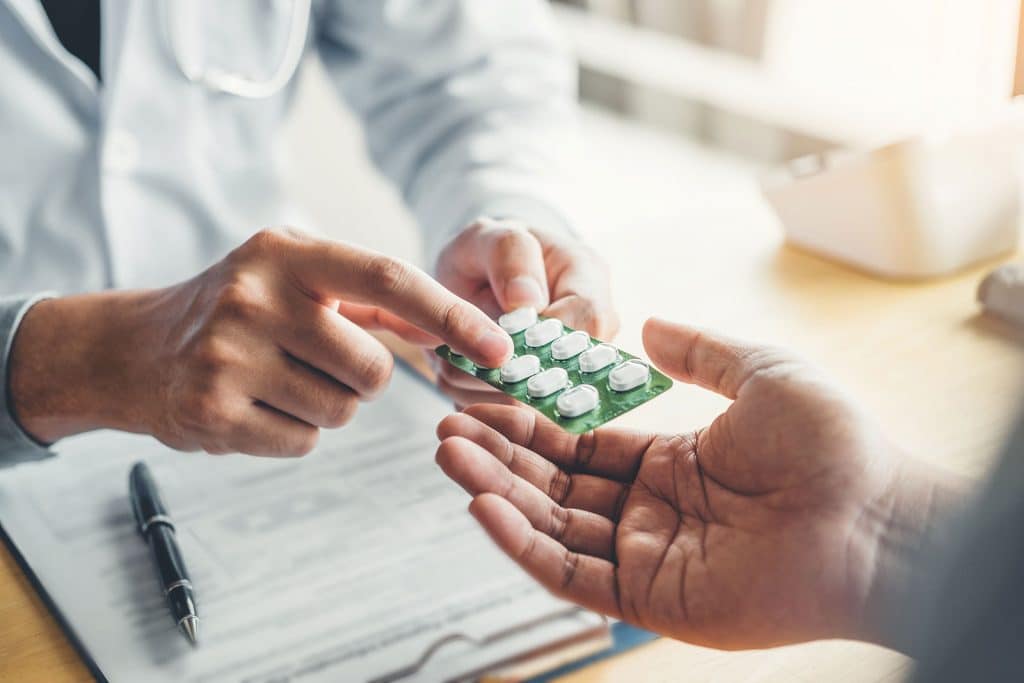
Be wary of antihistamines as well, like diphenhydramine (found in Benadryl). It can show up as methadone or even PCP on some urine drug tests. Blood pressure medications, such as labetalol, have been known to also cause false positives for amphetamines and LSD.
Interestingly, even common antibiotics (i.e., rifampin) can interfere with opiate screening results.
So, if you’re taking any prescription drugs, always inform the testing facility beforehand. Most legitimate testing procedures will account for known medications.
Best Practices Before a Drug Test
To minimize the risk of false positive results, avoid consuming poppy seeds, hemp products, coca tea, and excessive amounts of tonic water for at least 48-72 hours before testing.
Further, if you’re taking any OTC medications, prescription drugs, or supplements, make a complete list to provide to the testing facility.
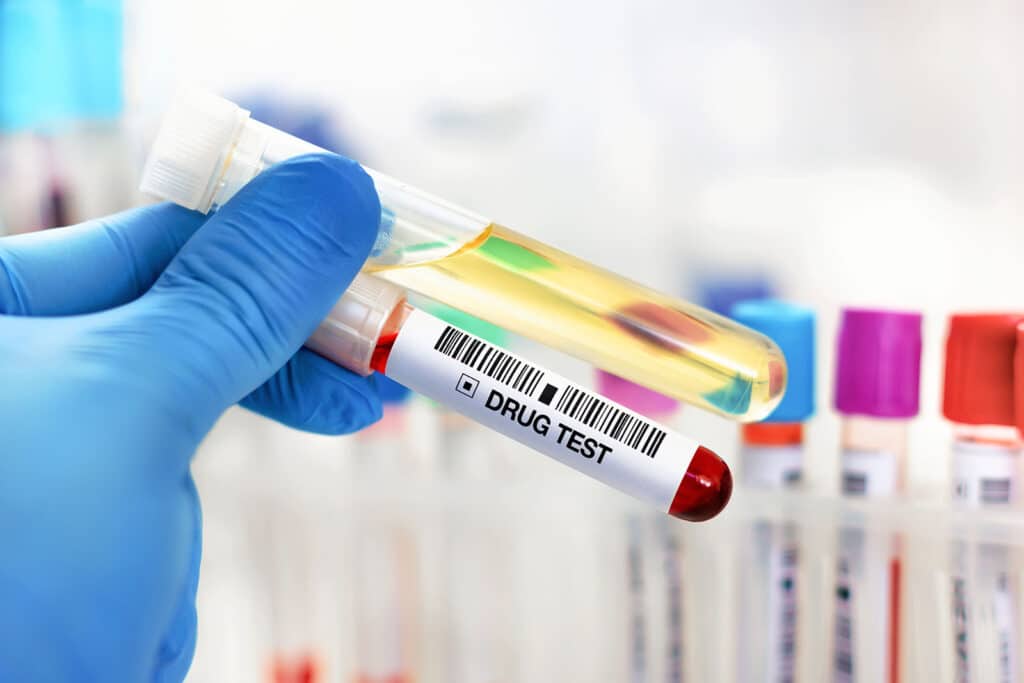
Make sure to stay hydrated, too. Don’t overdo it, as extremely diluted urine samples may be rejected and require retesting. Before a breath test, avoid using alcohol-based mouthwash or hand sanitizer immediately.
If you must use these products, wait at least 15-20 minutes before testing to allow any residual alcohol to dissipate.
Finally, consider the timing of your meals and medications. Some substances may be more likely to cause issues if consumed close to test time.
Note: When in doubt, consult with healthcare professionals about potential interactions between your medications, supplements, and drug testing procedures.
What Affects Drug Testing Accuracy
Several factors can impact the reliability of your drug test results beyond just what you consume.
1. Test Type
The type of test matters significantly. Certified laboratory tests are more accurate than rapid screening tests. Blood tests are generally more reliable than urine samples, though urine drug screens are more common due to cost and convenience.
2. Testing Method
The testing method itself matters, too. Initial immunoassay screenings are more prone to false positives due to cross-reactivity, while confirmatory tests (i.e., GC-MS) are much more specific and accurate.
However, not all testing facilities automatically perform confirmatory testing unless there’s a disputed result.
3. Your Metabolism
Your metabolism plays a role in how long substances remain detectable in your system. Age, weight, overall health, and liver function all affect how quickly your body processes different compounds.
Most people naturally metabolize substances faster than others, which can influence test results.
4. Timing
Timing is another critical factor. How long it’s been since you consumed a potentially problematic food or medication can determine whether it shows up on your test.
Some substances clear your system within hours, while others can persist for days or even weeks in certain cases.

Implications for Employers and Employees
False positive drug test results create challenges for both employers and employees in workplace settings. HR professionals should implement employment drug-testing programs that prioritize accuracy and fairness, not just speed.
For Employers
Point of care tests (POCTs) offer convenience but higher false positive rates than laboratory testing. Always conduct confirmatory testing—typically GC-MS analysis—before taking adverse employment actions based on positive results. This second test protects workplace safety while safeguarding employees from wrongful termination. Federal regulations and state regulations vary regarding drug testing procedures, so ensure your program complies with applicable laws.
For Employees
Understand your rights within the drug testing process. Disclose all medications, supplements, and dietary considerations before employee drug screenings. Request confirmatory testing if you receive unexpected positive results, and document everything you’ve consumed in the 72 hours before testing.
Employee education about potential false positives benefits everyone. When both parties approach employee drug screenings with transparency and proper protocols, the process protects workplace safety while treating workers fairly. Remember: positive and negative results both deserve verification through proper channels.
Final Thoughts
Knowing how certain foods and medications can affect drug test results helps you prepare properly and avoid unexpected, surprising false positives. While such results are inevitable, confirmatory testing usually resolves these issues.
Either way, always disclose medications and be honest about what you’ve consumed. Being candid with the testing facility will ensure accurate results.
Next, you may want to read if cranberry juice can help you pass that upcoming drug test here.
FAQs
What supplements can cause a false positive drug test?
What is confirmatory testing and should I request it?
What’s the difference between a drug test and an EtG alcohol test?
How long before a drug test should I stop eating foods that might cause issues?
Can fermented foods like kombucha or sauerkraut cause a false positive?
Can energy drinks cause a false positive?