


Over 16% of Americans aged 12 and above have used illicit drugs at least once. Although we’re seeing a significant dip in drug-related deaths, the opioid crisis remains a pressing issue, with CDC data recording over 80,000 overdose fatalities in 2024 alone.
Substance use disorder (SUD) comes with many signs. The person may first start acting moody, secretive, and socially withdrawn. Eventually, they can exhibit physical symptoms, such as poor personal hygiene, dilated pupils, and visible needle injuries called track marks.
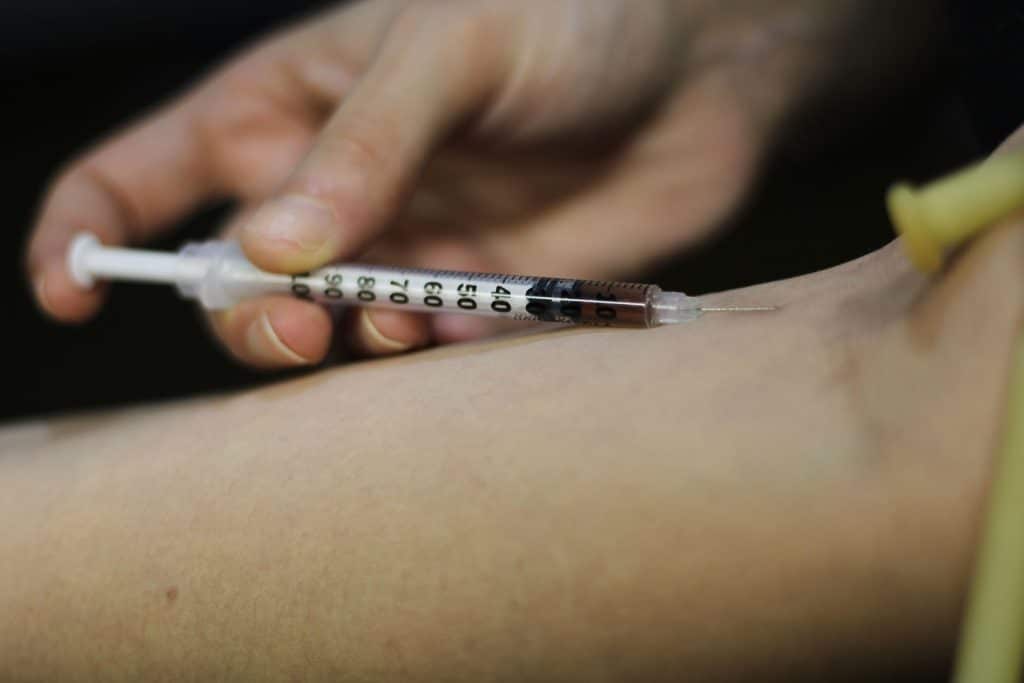
If you notice these similar puncture wounds in any of your loved ones, it’s only natural to worry about their well-being. What are track marks, exactly? Do track marks go away? Are track marks a sign of substance addiction?
At Illinois Recovery Center, we believe understanding your condition is the first step to healing. Let’s answer everything you should know about track marks, what they are, how to get rid of them, their health risks, and how to recover from opioid use addiction.
What Causes Track Marks?
Track marks, also called heroin track marks, are caused by post-inflammatory hyperpigmentation from injecting drugs or illicit substances into the skin using a syringe and needle.
As the needle repetitively punctures the skin, the trauma to the vein and surrounding tissues leaves visible wounds, lesions, or scars.
Spotting Track Marks
The puncture marks typically appear as discolored or darker patches that contrast with the surrounding skin. The wounds are often circular, with some reddening, bruising, scabbing, bleeding, or festering.
Track marks vary in size, from tiny pinpricks to raised, noticeable welts. Sometimes, the puncture spots follow a linear path tracing the vein.
With addiction, heavy scars usually surround the injection site, as previous needle tears heal poorly from continued puncturing. Dirty needles, infection, and a suppressed immune response, as one of the effects of drug use, make the natural healing process longer.
Infected needle wounds can also cause itchiness, prompting frequent scratching or picking, which further damages the skin. If infected, the site will swell, become red, and exude heat with pus leaking from the affected area.
Medically referred to as venipuncture marks, track marks can be a sign of chronic intravenous drug abuse.
Several injectable substances, including stimulants, methamphetamines, and prescription opioids, can leave behind such needle impressions. However, they’re mostly associated with heroin, an opioid drug made from morphine.
Common Areas Where Track Marks Appear
Injecting drugs into a vein, muscle, or under the skin (known as skin popping) is a common practice in medical treatment. But for those who suffer from drug addiction, they do it to have a rapid and more potent “high.”
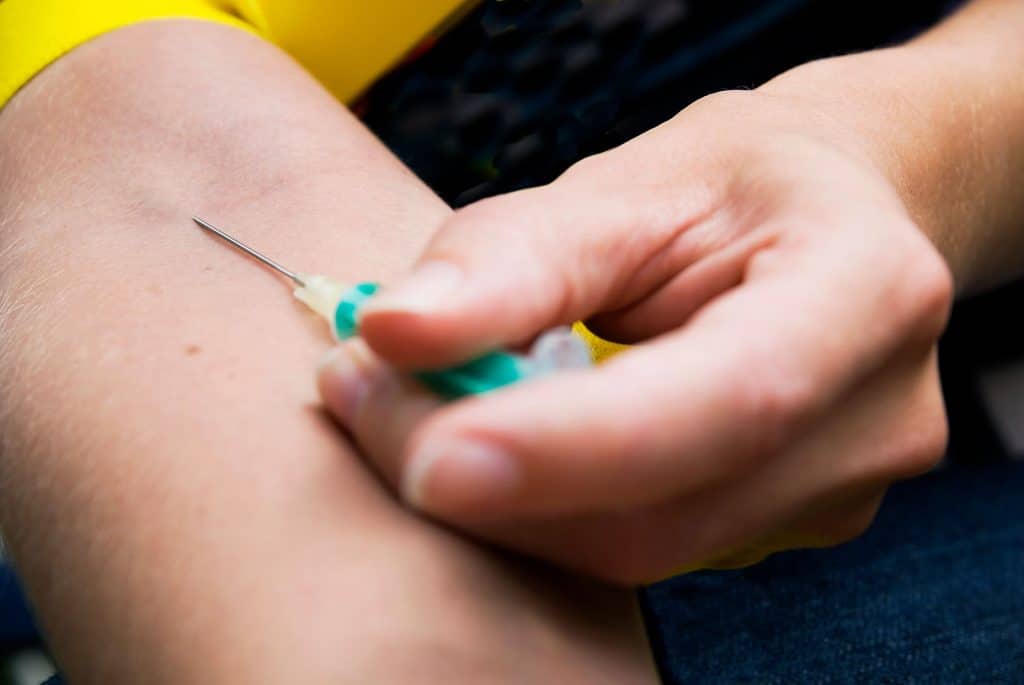
Venipuncture spots can appear anywhere in the body. But for those who engage in intravenous illicit drug use, they’re typically found on the inner arm, opposite the elbow, where the veins are easiest to access.
The hands, armpit, and neck are also common choices for injecting substances. Those who suffer from opioid use disorder (OUD) may wear long sleeves more often to hide the needle marks.
Some people inject drugs into their feet to hide track marks and avoid detection from colleagues and family members. However, the constant friction from moving around, paired with sweat, makes them easier to fester and become infected.
In some cases, when all the other areas become too scarred or damaged, drug users may resort to injecting into their legs or upper thighs. They’re often preferred because they have more muscle and are easier to cover up.
Do Track Marks Go Away?
Fortunately, track marks do go away. Needle marks can heal with proper care and by avoiding further drug use. Seeking help by enrolling in addiction treatment programs can help get rid of the substance from your system and heal track marks entirely.
How Long Do Track Marks Last?
Puncture marks from long-time IV drug use can take a long time to recover, as illicit substances usually compromise your body’s healing ability. Some may heal in a few days or weeks, leaving behind minor scars that vanish over time.

However, repeated injections, particularly in the hands and feet, can cause permanent discolorations and scar tissue. In this case, the healed track marks look like small, round bumps on the skin.
The type of needles used during injection may also impact how long the track marks last. Using blunt, old needles could require you to exert more force to puncture the skin. This can deepen the damage and leave more prominent blemishes.
Apart from the needle, impurities and contaminants inside the syringe or substance can accumulate and create noticeable dark-colored track marks on the site.
Common Ways to Get Rid of Track Marks
Track marks can be prevented with proper intravenous injections. This includes using clean needles, injecting at the appropriate angle, rotating the IV sites, and keeping the puncture area clean at all times.
Applying medicated ointment or petroleum jelly can promote healing and minimize scarring. Covering the wound with a clean bandage can help prevent infection and avoid further damage, leaving lasting marks on the skin.
There’s a wide variety of skin products you can purchase to alleviate the appearance of new needle scars. Silicone gel pads, for instance, are a popular choice. That said, these products usually don’t work as well with old track marks.
Applying sunscreen to the affected area is a great way to lessen unsightly darkening. And though uncommon, you may consider laser treatment for severe keloid scarring. Others also use unorthodox methods, such as makeup and tattoos.
The Health Risks of Intravenous Drug Use
The side effects of heroin use go beyond visible skin damage. Intravenous administration of opioids comes with several health risks that can quickly turn life-threatening. Here are some of the complications associated with IV drug use:
Risk of Infection
The environment and tools used for street drugs are seldom sanitized, making them a likely source of infection.
Cellulitis is a severe type of bacterial infection that can result from frequent skin popping. It starts as a skin infection, but may spread into the tissue under the skin if left untreated. Severe cases of cellulitis can lead to more serious conditions, including sepsis.
Abscesses that leak cloudy fluid or pus around the injection sites are a clear indication of infection. Wound botulism, a deadly illness that attacks the immune system, while rare, is also a potential outcome of injecting drugs.
Hepatitis and STDs
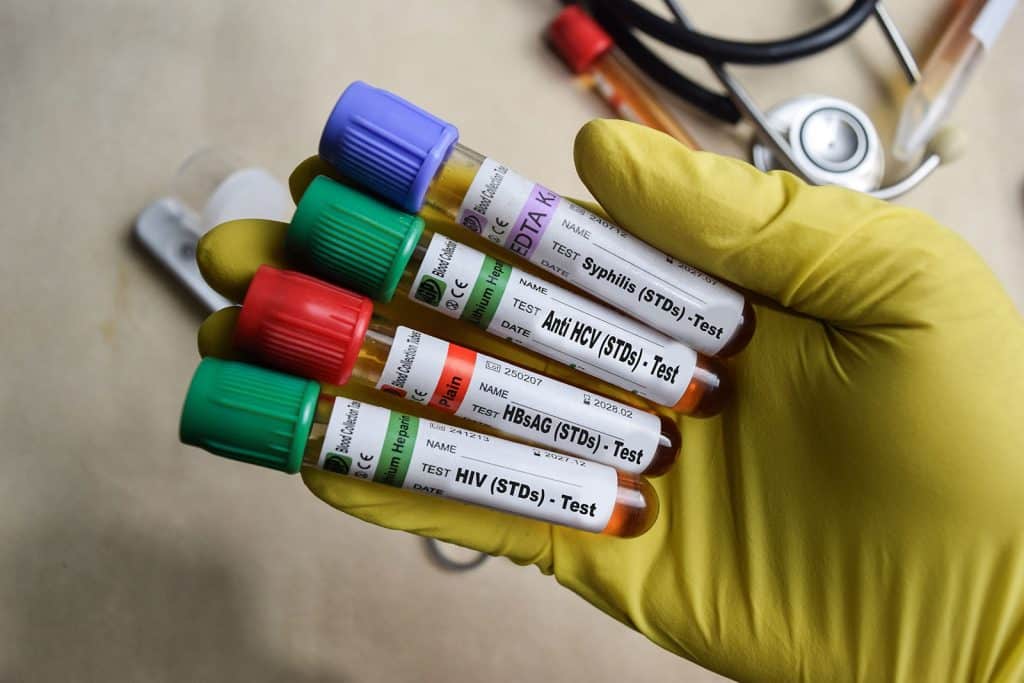
Recycling or sharing needles is a serious threat to your health. Many blood-borne illnesses, including syphilis, hepatitis, and human immunodeficiency virus (HIV), can be contracted in this manner.
According to surveys, over 80% of hepatitis cases are contracted through unsterile needles. The National Institute of Health (NIH) also reported a significant number of HIV cases through sharing blood by unsafe injections.
Furthermore, people suffering from opioid addiction who use IV methods have been found to have a higher rate of STDs like syphilis, chlamydia, and gonorrhea.
Blown or Collapsed Veins
A blown or collapsed vein happens when the needle punctures through the other side of the vein. It’s the result of using the wrong needle size, sticking the needle at the wrong angle, flinching during injection, or long-term IV drug abuse.
While not immediately life-threatening, the collapsed vein can hinder blood flow and result in permanent vein damage. Moreover, incorrect intramuscular injection techniques may harm sensitive nerves and lead to paralysis.
Overdose
An overdose happens when an inordinate amount of the opioid enters and overloads the body. This results in the drugs interfering with the body and brain’s capacity to function properly.
Overdosing can be fatal. If you or anyone you know is experiencing an overdose, promptly seek help or call the nearest healthcare provider.

How Chronic Intravenous Drug Abuse Is Treated
There are several accessible treatment options for heroin addiction. Treatment centers like the Illinois Recovery Center offer personalized inpatient/outpatient programs to help you overcome chronic opioid addiction, which could involve:
- Detoxification: Detox is the process of cleansing the body of drugs. This is usually done under the guidance of medical professionals to manage withdrawal safely.
- Talk Therapies: Focusing on your mental health, talk therapies like cognitive behavioral therapy (CBT) aim to identify and eliminate toxic thought patterns and behaviors that reinforce addiction.
- Medication-Assisted Treatment: MAT refers to the use of complementary medication when treating SUD and OUD. This is typically provided with other evidence-based addiction treatment approaches.
In many cases, you’ll be encouraged to join support groups and other peer-support initiatives. They help provide a safe environment for people facing similar conditions to share their experiences and learn coping mechanisms together.
Final Thoughts: Seeking Help
One of the first steps to recovery is admitting that you need help. Beyond the track marks, if your drug use is harming your life, relationships, and career, it may be time to seek professional intervention.
Illinois Recovery Center offers compassionate, expert, and comprehensive treatment for both SUD and OUD. Reach out to us and take a step toward true healing today!
References
- https://www.cdc.gov/nchs/pressroom/nchs_press_releases/2025/20250514.htm
- https://www.webmd.com/skin-problems-and-treatments/what-is-post-inflammatory-hyperpigmentation
- https://www.hiv.va.gov/patient/daily/alcohol-drugs/immune-system.asp
- https://pmc.ncbi.nlm.nih.gov/articles/PMC8312019/
- https://pmc.ncbi.nlm.nih.gov/articles/PMC4486716/
- https://www.cdc.gov/botulism/risk-factors/wound-botulism.html
- https://pmc.ncbi.nlm.nih.gov/articles/PMC6814627/