

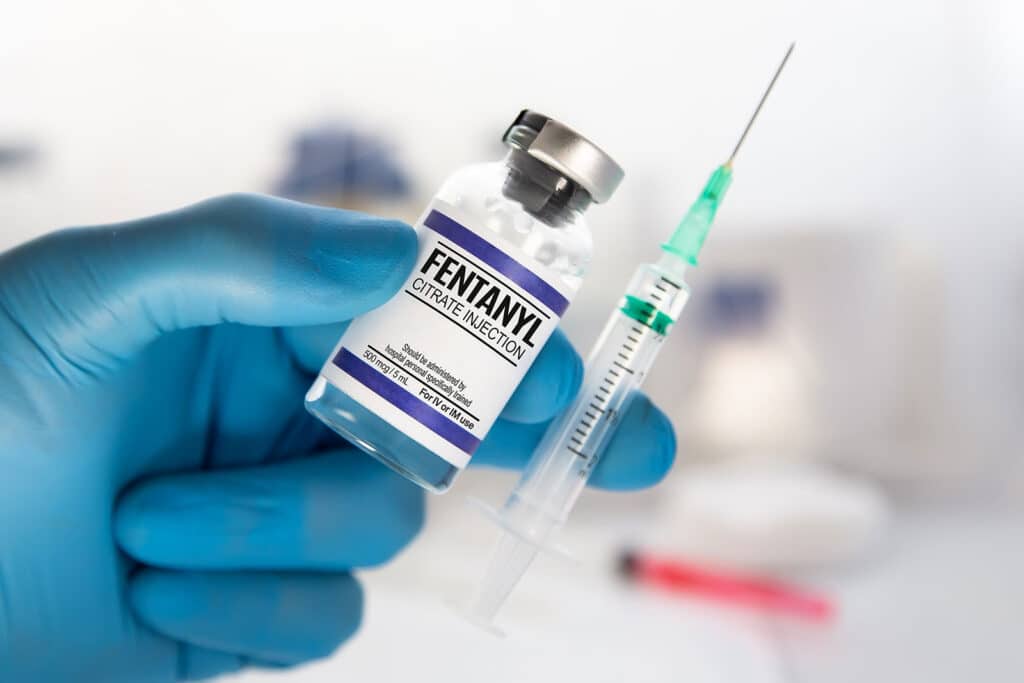
Fentanyl is a man-made opioid drug (like morphine or heroin) used to relieve severe pain after surgeries or serious injuries. Yet, it’s found its way into the illegal drug market, mixed into counterfeit prescription pills or with other drugs like heroin or cocaine.
Due to its elevated potency, fentanyl addiction can develop quickly, and the chances of a fatal overdose are high, even if someone takes small amounts. The good news is that you can reverse its effects and take back control of your life by receiving care at the right facility.
If you’re an Illinois resident searching for “fentanyl detox near me,” help is available at the Illinois Recovery Center. In medical detox, licensed healthcare professionals will monitor your progress closely and administer FDA-approved drugs to soften the impact of your withdrawal.
But what do symptoms of fentanyl withdrawal look like? How do they change with each passing hour?

Symptoms of Fentanyl Withdrawal: A Day-by-Day Timeline
Realizing that you have a problem with your fentanyl use and deciding to seek help speaks of admirable courage.
Yes, the prospect of walking into a rehab center for treatment may be intimidating. But rest assured, your medical team will approach you with empathy, no judgment, and a professional focus on helping you regain control of your life.
Once your condition is evaluated upon your arrival, you’ll start medical detox and go through opioid withdrawal. During this phase, you’ll experience several physical and psychological symptoms following cessation or reduction of heavy, prolonged use.
The fentanyl withdrawal timeline is predictable, stretching over five distinct stages that vary in symptom intensity. Here’s what to expect:
Phase 1: Onset (6–12 Hours)
The onset phase starts six to 12 hours after your last fentanyl dose (in short-acting formulations only). People who use transdermal patches get a delayed onset of 18 to 48 hours because the drug absorbed into their skin takes longer to disappear.
This stage has the highest early relapse risk, with sharp cravings and physical symptoms that escalate within hours, including:
- Frequent yawning
- Runny nose and tearing eyes
- Restlessness
- COWS severity (Clinical Opiate Withdrawal Scale): Mild (5–12)
Phase 2: Early (12–24 Hours)
In the early fentanyl withdrawal phase, patients experience more physical discomfort:
- Increased muscle aches and joint pain
- Elevated blood pressure (which requires special clinical monitoring in patients with cardiovascular diseases)
- Rising anxiety that affects sleep quality and causes insomnia
- Nausea and abdominal cramping
- Excessive sweating
- COWS severity: Mild to moderate (12–18)
Phase 3: Peak (24–72 Hours)
As the name suggests, the third phase of fentanyl withdrawal is the highest in severity, making it the most medically significant out of the five. Patients whose last fentanyl dose was one to three days ago tend to suffer from:
- Fever, excessive sweating, tremors, and wide blood pressure fluctuations
- Uncontrolled vomiting and diarrhea that disrupt electrolyte levels and increase the risk of dehydration
- Extreme bone and muscle pain
- Frequent panic attacks (and suicidal ideation in some patients)
- Increased risk of precipitated withdrawal if patients take buprenorphine before fentanyl is completely out of their receptor-bound stores
- COWS severity: Moderately severe to severe (25–37+)
Phase 4: Subacute (Days 4–7)
At this stage, there’s a noticeable decline in gastrointestinal distress and autonomic symptoms. However, you should expect the persistence of some uncomfortable symptoms:
- Irritability and mood swings
- Frequent tearfulness
- Persistent insomnia and sleep disturbances (the most highlighted symptom of this phase)
- Heavy fatigue
- Persistent cravings, making patients vulnerable to relapses even as most of their symptoms improve
- COWS severity: Mild (under 12)
Phase 5: PAWS (Post-Acute Withdrawal Syndrome) (Beyond Week 2)
Post-acute withdrawal syndrome describes the final stage in fentanyl withdrawal after acute detox. It’s characterized by protracted neurological recovery, where the brain’s normal chemistry is gradually restored.
This slow restoration exposes the body to a cluster of physical, emotional, and cognitive symptoms that can linger for weeks or months after detoxification. PAWS affects up to 90% of patients recovering from opioid use disorder (OUD), with prolonged symptoms including:
- Heightened stress reactivity
- Windows of craving episodes
- Vivid dreams and continued insomnia
- Difficulty concentrating
- Generalized anxiety
- Depressed mood
- Short-term memory issues
What Medications Are Used to Manage Fentanyl Withdrawal in Medical Detox?
The medical management of fentanyl withdrawal branches out into three categories of medications: opioid agonists, alpha-2 adrenergic agonists, and other meds that target specific symptoms.
Examples of such medications include:
- Methadone: This is a full mu-opioid receptor agonist that helps relieve withdrawal symptoms and cravings. Its efficacy is similar to that of buprenorphine, with an additional perk: it doesn’t run the risk of precipitated withdrawal.
- Buprenorphine: This is a partial mu-opioid receptor agonist, responsible for treating fentanyl (opioid) withdrawal and managing long-term OUD symptoms. It’s combined with naloxone to produce Suboxone, reducing intravenous abuse potential.
- Clonidine: Clonidine works by activating alpha-2 adrenergic receptors in the locus coeruleus, softening fentanyl withdrawal symptoms significantly.
- Supportive medications: During detox, the medical staff might prescribe loperamide for diarrhea or cramps, hydroxyzine for insomnia, and ondansetron for vomiting and nausea.
How to Mentally Prepare for Fentanyl Detox?
Looking up symptoms and knowing what’s coming is the first step toward mentally preparing for this challenge. This way, nothing will take you by surprise.
Plus, understanding the symptom intensity curve you’ll experience in detox solidifies your resolve: it gets tough, you push through, then it smooths out.
Finally, knowing you’ll be supported by a compassionate team of healthcare providers in a safe, 24/7-monitored environment should boost your confidence and morale.
What Does Treatment Look Like After You Complete Detox?
At the Illinois Recovery Center, patients receive Suboxone as part of medication-assisted treatment within medical detox. After safely completing detox, they begin structured treatment for OUD and work toward winning back their freedom.
Based on the specifics of your condition and medical history, healthcare experts will create a comprehensive recovery plan to treat you for fentanyl dependency. Expect your personalized program to include some of these tracks, as your advisor sees fit:
- Counseling: In individual therapy or group therapy, a licensed counselor holds talk sessions guided by evidence-based modalities, such as cognitive behavioral therapy (CBT), dialectical behavior therapy (DBT), and more.
- Family therapy and couples therapy: These are two forms of talk psychotherapy that address the impact of opioid misuse on the families and spouses of OUD patients. Loved ones are included in their healing journey for moral support.
- Dual-diagnosis program: This track treats co-occurring disorders (a substance use disorder and a mental disorder developing at the same time). OUD patients are susceptible to a range of mental conditions, especially depression and anxiety.
- Medication-assisted treatment (MAT): This strategy describes the combination of both FDA-approved medications and behavioral therapy to treat opioid use disorder. MAT runs through the entire treatment process, from detox to aftercare, to limit cravings and control withdrawal symptoms.
- Telehealth and virtual treatment: Teletherapy is suitable for the final stages of OUD treatment, where the physical presence of patients in a clinic isn’t necessary. It lets individuals access sessions from the comfort of their homes, lowering their anxiety.
- Relapse prevention planning: This track teaches invaluable skills for recovering OUD patients, like healthy coping with stress, recognizing and dealing with triggers, and knowing early warning signs of a relapse and acting accordingly.
- Aftercare and alumni program: Continued care post-recovery to remain drug-free after transitioning from monitored living in a rehab center to normal life. Support groups and sober living homes may be part of an aftercare strategy to make this transition smoother.
Levels of Care Available for Fentanyl Detox and Treatment
Based on your fentanyl withdrawal symptoms and the intricacies of your opioid use disorder, a specialist will determine the suitable level of care at the Illinois Recovery Center:
- Residential/inpatient treatment: A complete stay at the facility for moderate to severe conditions of OUD under 24/7 medical supervision
- Partial hospitalization program (PHP): Intensive care without the need to live in a treatment hospital, offering more liberty to go about your daily obligations while receiving structured treatment
- Intensive outpatient program (IOP): IOPs are less intensive than PHPs, reserved for OUD patients with mild cases of fentanyl addiction. They typically involve nine to 20 hours of behavioral therapy per week alongside medications.
- Outpatient treatment program: The ongoing treatment of substance abuse when patients have reached a desirable level of stability, requiring them to attend one or two therapy sessions per week
Take Action Today: Professional Help for Illinois Residents
Fentanyl addiction is a serious medical emergency, with chances of an overdose (or overdose death) much higher than most addictive drugs.
This synthetic opioid is 50–100 times stronger than heroin and morphine, which makes withdrawal symptoms sharper and more intense. The bottom line is: you shouldn’t go cold turkey on your own.
Searching “fentanyl detox near me” is a wiser choice, allowing you to connect with the Illinois Recovery Center for structured treatment of opioid use disorder. Contact the facility now to inquire about the admission process, accepted insurance, and treatment options.
Don’t suffer through those painful symptoms of fentanyl withdrawal alone. Empathetic, professional care is available for everyone at the Illinois Recovery Center.