


Medical experts generally advise avoiding alcohol while taking medications, including over-the-counter ibuprofen products sold under brand names such as Advil, Motrin, and Midol. Although these painkillers are available without a prescription and contain the generally safe active ingredient ibuprofen, they are strong medications.
Taking them with alcohol can create a dangerous drug interaction, significantly increasing the risk of serious health conditions.
This article discusses the specific risks of mixing ibuprofen and alcohol, safety guidelines regarding timing, and what to do if you have already combined them.
Side Effects: What Happens if You Take Ibuprofen With Alcohol?
Ibuprofen belongs to a class of medications known as NSAIDs (nonsteroidal anti-inflammatory drugs), which are used to treat pain, inflammation, and fever.
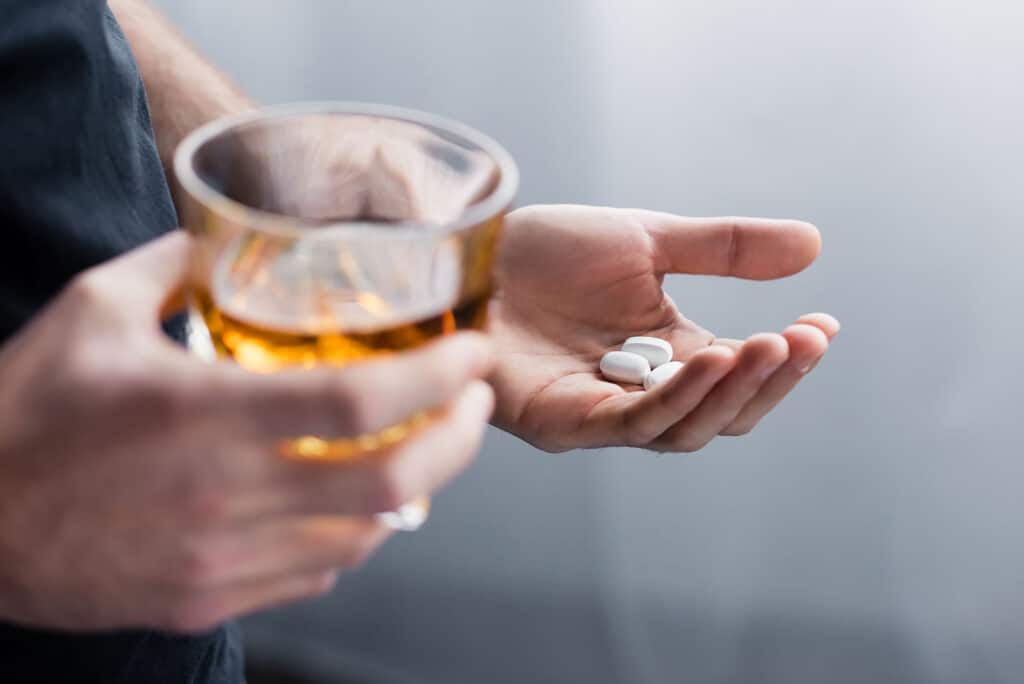
Doctors and pharmacists advise caution when taking ibuprofen with alcohol. Combining the two creates a “synergistic” effect on the stomach lining, meaning the damage caused by the combination is greater than the damage caused by either substance alone. Even if you follow daily alcohol consumption guidelines (one drink for women, two for men), mixing this intake with medication can still be harmful.
The following are the most common side effects and increased risk factors associated with mixing ibuprofen and alcohol:
Digestive Tract Problems
Ibuprofen works by inhibiting the production of prostaglandins, which are enzymes that signal pain but also help generate the protective lining of your stomach. Alcohol is also a gastric irritant. When combined, the protective barrier of your stomach is depleted while simultaneously being attacked by alcohol.
Taking ibuprofen with alcohol significantly raises the risk of gastritis, stomach ulcers, and gastrointestinal bleeding. This risk is higher if you take ibuprofen on an empty stomach or use it for long periods.
Kidney Damage
One of the primary functions of your kidneys is to filter toxins, including alcohol, from your blood. Ibuprofen naturally constricts the blood vessels leading to the kidneys, which can temporarily reduce kidney function.
When you mix the two, you are forcing your kidneys to work harder to filter alcohol while simultaneously restricting their blood flow. This places significant stress on the kidneys and increases the risk of acute kidney injury or chronic kidney disease over time.
Decreased Alertness
Alcohol is a depressant that causes drowsiness and slowed reaction times. While ibuprofen is not a sedative, the physical stress on your body from combining these substances can worsen feelings of fatigue.
The resulting impairment in judgment and reaction time puts you at risk for accidents. You should never drive after drinking alcohol, regardless of whether you have taken medication.
Other Serious Risks: Heart & Liver Health
While stomach and kidney issues are the most immediate concerns, mixing alcohol and ibuprofen can also impact your cardiovascular system and liver.
Heart Risks & Blood Pressure
According to the NIH (National Institutes of Health), non-aspirin NSAIDs like ibuprofen can increase the risk of heart attack and stroke. Alcohol consumption can also temporarily raise blood pressure.
- High Blood Pressure: Combining these substances can strain the cardiovascular system, particularly in those with existing heart disease or hypertension.
- Heart Attack: Long-term use of ibuprofen combined with heavy drinking may further elevate the risk of cardiovascular events.
Liver Damage
While liver damage is more commonly associated with acetaminophen (Tylenol), chronic alcohol use weakens the liver. Processing both alcohol and medications simultaneously puts extra stress on the liver, which can exacerbate underlying liver disease.
Is Mixing Ibuprofen and Alcohol Fatal?
While a single instance of mixing moderate amounts of alcohol and ibuprofen is rarely fatal for a healthy adult, it can lead to life-threatening complications if done frequently or in high doses.
The most severe risk is gastrointestinal bleeding (stomach bleeding). If this occurs and is not treated immediately, it can lead to severe blood loss and death. Additionally, sudden acute kidney failure is a rare but serious possibility, particularly in older adults or those with pre-existing kidney issues.

Risk Factors Influencing Individual Risk
Certain individuals face a higher risk of adverse reactions and adverse drug interactions when combining ibuprofen and alcohol. Understanding these factors can help you make safer decisions about pain management.
Age and Physical Characteristics: Older adults are particularly vulnerable due to declining kidney and liver function. Body size also matters—smaller individuals may experience stronger effects from the same dose.
Pre-Existing Health Conditions: Those with kidney disease, liver conditions, heart failure, or high blood pressure face significantly increased risks. These conditions are already stressed by either substance alone.
Behavioral Factors: Exceeding the recommended dosage of ibuprofen multiplies dangers. Individuals with a substance use disorder may be at higher risk for both overconsumption and cognitive difficulties that impair judgment about mixing substances.
If you have any of these risk factors, consult your doctor before combining ibuprofen and alcohol—or avoid the combination entirely.
What To Do if You Drink Alcohol and Take Ibuprofen
If you have taken a standard dose of ibuprofen and had a small amount of alcohol, do not panic. Stop drinking alcohol immediately. Drink plenty of water to stay hydrated and eat a small meal or snack to help buffer your stomach acid.
When To See a Doctor
If you experience any of the following symptoms after mixing alcohol and ibuprofen, seek emergency medical attention immediately:
- Signs of Stomach Bleeding: Persistent stomach pain, black or tarry stools, vomiting blood, or vomit that looks like coffee grounds.
- Signs of Kidney Distress: Sudden swelling in the hands or ankles, shortness of breath, or difficulty urinating.
- Other Symptoms: Fainting, rapid heartbeat, or severe dizziness.
How to Safely Time Ibuprofen and Alcohol
There is no universally “safe” way to mix them, but you can reduce your risk by spacing them out.
When Can You Drink Alcohol After Taking Ibuprofen?
Ibuprofen typically stays in your system for about 10 hours.
- For Occasional Use: If you took a single dose (200-400 mg), it is best to wait at least 10 hours before consuming alcohol.
- For Regular Use: If you take ibuprofen daily for a chronic condition, you should avoid alcohol entirely until you have finished your course of treatment and consulted your doctor.
When Can You Take Ibuprofen After Drinking Alcohol?
After Heavy Drinking: Do not take ibuprofen to treat a hangover. Your stomach and kidneys are already under stress from the alcohol. Wait at least 24 hours after your last drink before taking ibuprofen.
After 1-2 Drinks: Wait until the alcohol is fully metabolized and you feel completely sober (typically 2-3 hours minimum). Ensure you are hydrated and have eaten food before taking the medication.
Alternative Pain Relievers: What Can You Take?
If you have already had a glass of wine or beer and need pain relief, your options are limited.
- Acetaminophen (Tylenol): This is generally considered the safest option to take after drinking a small amount of alcohol, as it does not irritate the stomach lining like NSAIDs. However, because acetaminophen is processed by the liver, it should never be taken if you have been binge drinking or have liver issues.
- Naproxen (Aleve): Naproxen is also an NSAID and carries the same risks as ibuprofen. It should generally be avoided if you have been drinking.
- Home Remedies: For a headache after drinking, the safest initial approach is hydration (water and electrolytes) and rest before adding any medication.
The Bottom Line: Always Prioritize Caution
If you are unsure, do not mix them. The risks are serious and not worth taking. For personalized advice based on your health history and medication use, consult your doctor or pharmacist.

Wrapping It Up
The risks of mixing ibuprofen and alcohol include gastrointestinal bleeding, kidney problems, and excessive drowsiness. If you experience any related symptoms mentioned above, contact your doctor immediately.
FAQ
What medications interact dangerously with ibuprofen and alcohol?