

According to the Centers for Disease Control, over 250 Americans lose their lives every day from substance use disorders (SUD). And the risk of this number growing remains, as polysubstance abuse, that is, using multiple drugs at a time, is quickly becoming the norm.
In a recent survey by The Commonwealth Fund, the US remains ahead of other countries when it comes to drug-related deaths. In 2023 alone, drug overdose tragically claimed more than 100,000 lives, marking a three-year consecutive streak.
Like other forms of illicit drug abuse, polysubstance abuse carries significant risks to the health and quality of life of the individual. But it’s not hopeless. By seeking professional help, you or your loved ones suffering from this dangerous affliction can reclaim control of your life.
At Illinois Recovery Center, we believe understanding your condition is the first step toward true healing. Below, we’ll explain what polysubstance abuse is, the most common polysubstance abuse drugs, and the best treatment options available for you.

Understanding Polysubstance Use Disorder
One drug is enough to wreak havoc on someone’s physical and mental health. But the situation gets even worse when people start using more than one drug at a time. This trend has become an increasingly uncommon practice in recent years, and in some cases, it has become the norm.
Mixing and using two or more substances at the same time or within a short time frame is called polydrug or polysubstance use. Those who suffer from addiction do this for several reasons.
The more obvious motivation for the simultaneous use of drugs is to enhance the relaxation or sedating effects of one substance. A common example of this is drinking alcohol concurrently with cocaine use.
Besides boosting euphoric effects, others may also mix two or more drugs to:
- Stop or reduce the negative side effects of one drug, such as using depressants like marijuana and benzodiazepines to manage the crash from stimulant use.
- Attain similar effects to other drugs, including consuming alcohol and cannabis as a substitute for heroin.
- Manage or eliminate dependence on other substances (e.g., alcohol dependence) by ingesting other drugs.
- Use a combination of multiple drugs or alcohol in an attempt to self-medicate and manage discomforting symptoms of mental health disorders.
In some cases, polydrug use can be the result of the loss of inhibition after heavy alcohol use. With the loss of inhibitory control, the individual can take other substances without regard for the consequences.
Accidental or unintentional polysubstance use can also happen. This occurs when the person taking the drug is unaware that it’s blended with other substances.
Who Is At Risk of Multiple Drug Use?
Drug misuse is a serious public health issue that affects hundreds of millions worldwide. In the US alone, over 40 million people aged 12 and above have or are suffering from addiction per the National Institute on Drug Abuse (NIDA).
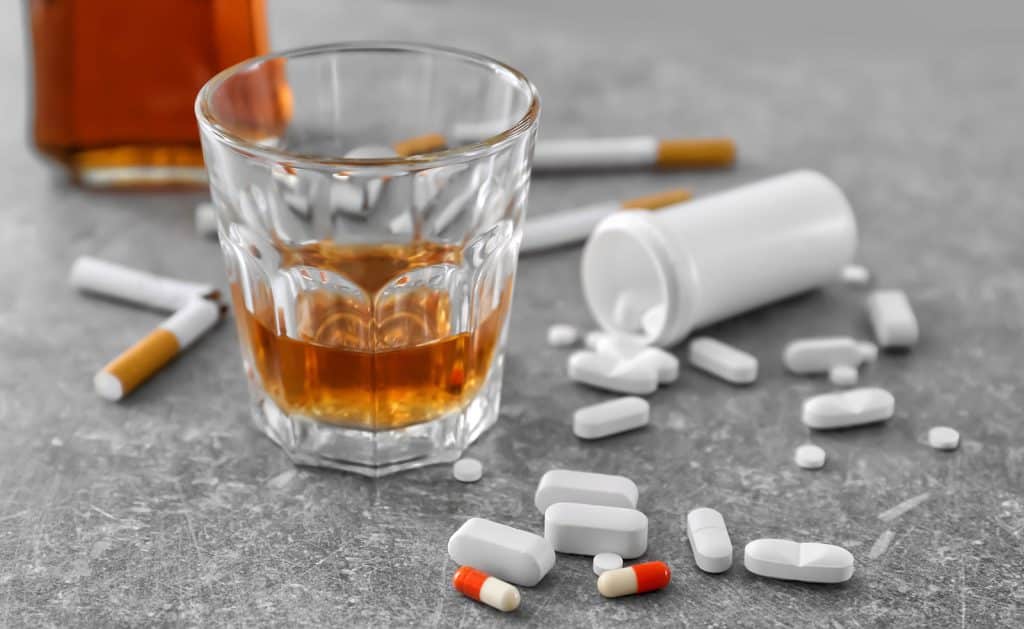
A substantial number of drug users experiment with mixing or using multiple drugs simultaneously. Regrettably, only a handful seek or receive necessary medical treatment and intervention.
Studies on polysubstance abuse prevalence found that individuals with SUD are more likely to develop polydrug use disorders. Other risk factors include:
- Age, with adolescents being more at risk
- Low education levels and unemployment
- Ethnicity, particularly white people
- Physical disabilities
- Living with serious diseases
- Chronic alcohol and tobacco use
- Underlying mental health conditions (e.g., anxiety, depression, and other mood disorders)
Like many mental illnesses, your genetics and family history of drug abuse play a crucial role in polydrug use disorder development. Parental substance abuse, for instance, can be a substantial indicator.
Access to drugs correlates with a higher risk of experimentation. Experiencing traumatic experiences and extremely stressful events may contribute as well.
Signs and Symptoms of Polysubstance Abuse
Symptoms of using multiple drugs can vary from person to person. The type of substances involved, frequency of use, and the amounts taken can impact the severity of symptoms, including your age, weight, and history with drugs.
Physical Signs
A person dealing with polysubstance use disorder may exhibit physical symptoms, including but not limited to:
- Nausea and vomiting
- Fatigue and changes in heart rate
- Problems with balance
- Difficulty sleeping (insomnia)
- Digestive issues
- Abnormal respiration rate
- Muscle aches and cramps
- Unnatural high blood pressure
Intoxication due to the use of alcohol and other drugs may increase accidents. The person may participate in risk-taking behaviors more often, resulting in traumatic injuries.

Behavioral Signs
The individual’s behavior is among the first to change when addicted to drugs. People who deal with multiple drug use may experience or exhibit:
- Sharp mood swings
- Agitation and violence
- A lack of desire to socialize
- Difficulty maintaining relationships
- Apathy toward others
- Indifference to their responsibilities and commitments
- Neglect of personal hygiene
- Hostility when confronted about their substance use
- Inability to function without drug influence
Often, people with drug use problems hide their symptoms from their loved ones, either from shame or guilt. This can make identifying those who suffer from addiction more difficult.
Common Drug Combinations in Polysubstance Abuse and Their Associated Health Risks
Health issues are a real risk of abusing drugs. And whether intentional or not, concurrent use of different substances poses destructive dangers to your physical and mental health. Some common drug combinations people use are stimulants, depressants, and even prescription medications.
Stimulants
Also known as uppers, stimulants are a type of drug that affects the brain. These substances include ecstasy (MDMA), cocaine, amphetamine, and methamphetamine.
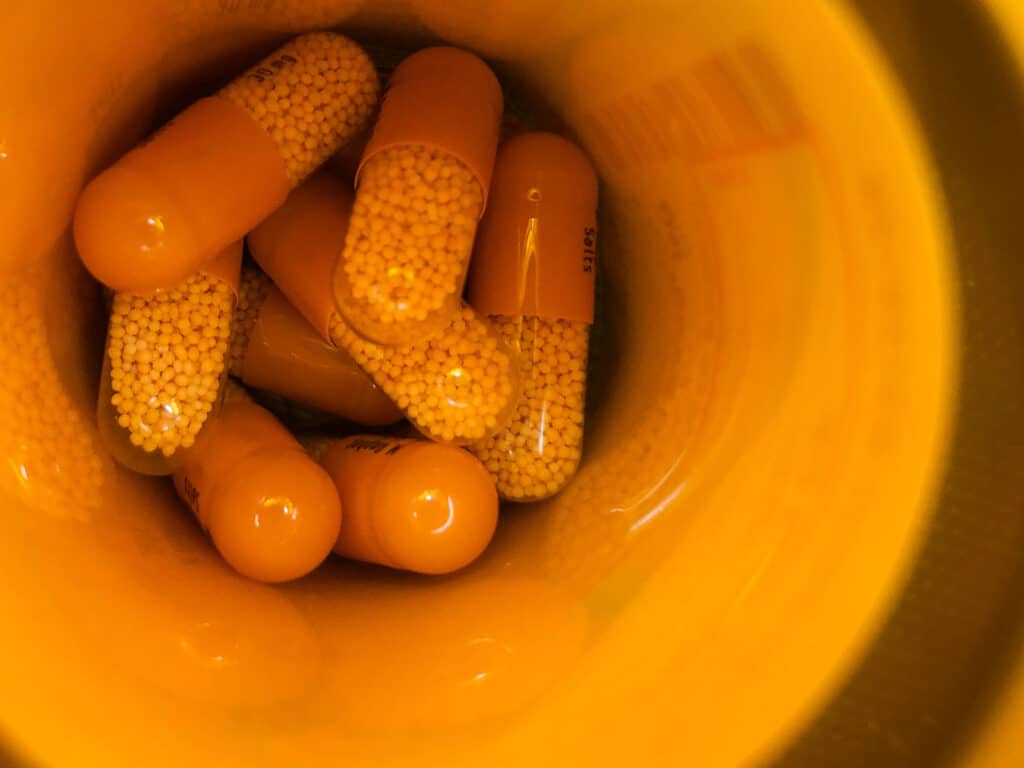
When taken recreationally, stimulants produce feelings of exhilaration, euphoria, excitement, and alertness. However, when different stimulant drugs are taken at the same time, it can severely impact cardiovascular health.
The risk of brain damage, liver damage, stroke, and heart attack also considerably rises with stimulant blends.
Depressants
Depressants consist of a wide range of drugs with calming effects, which is why they’re often called “downers.” Examples of depressants include prescription opioids, heroin, morphine, fentanyl, oxycodone, and hydrocodone.
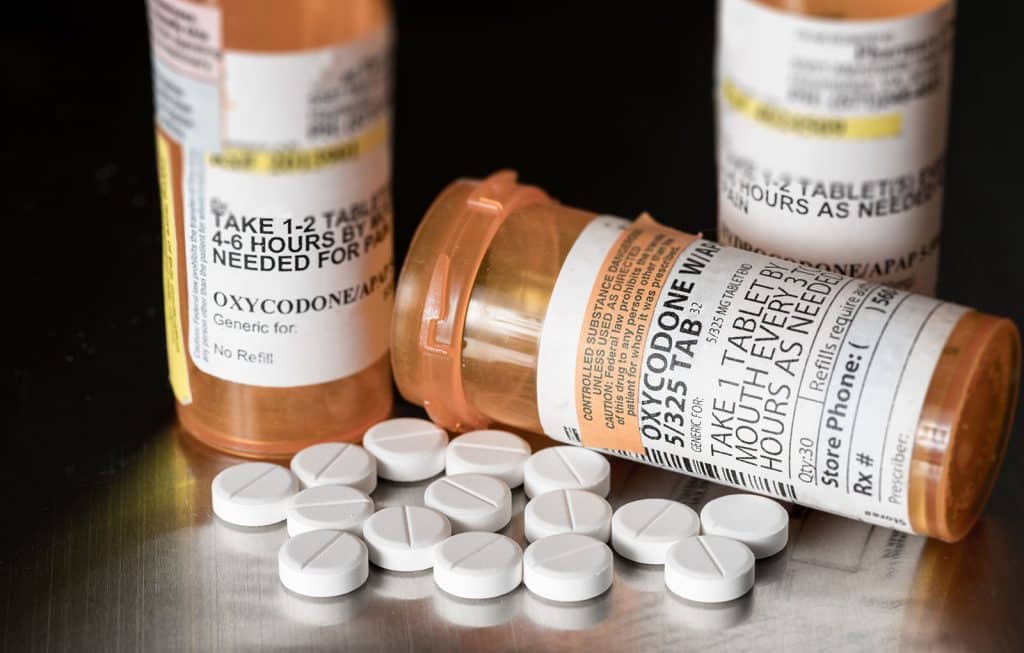
Illicit depressant blends are known to slow down the central nervous system and breathing rate to a dangerous level.
Some may use opioid depressants with benzodiazepines to enhance the “high” sensation. This is a highly fatal combination, increasing the risk of overdose death by 20%. With both drugs, the person is more likely to suffer from respiratory depression, brain damage, impairment, or death.
Stimulants and Depressants
Stimulants and depressants have opposite effects. Using them together causes unpredictable results as their competing qualities strain your body.
Contrary to what some might believe, blending stimulants and depressants doesn’t make the side effects less harmful. Heart problems, respiratory illnesses, and kidney failure remain a serious threat.
Alcohol and Other Drugs
Alcohol is the most consumed depressant drug worldwide. It interacts with many illicit drugs, medicines, and hallucinogens, and can be incredibly harmful to the body.

Cocaine and alcohol are a common blend that produces cocaethylene, a toxic compound that forms in the liver as it attempts to break down both substances. Cocaethylene can cause permanent liver damage and amplify the chances of strokes, seizures, and heart attacks.
Prescription Drugs
Some people under medication may unknowingly or knowingly mix over-the-counter or prescription drugs with other substances.
A common example of this is those who take Adderall, a stimulant, and drink alcohol, a depressant, afterwards. This is a dangerous blend as it elevates the likelihood of heart failure, respiratory infection, and injury-causing accidents.
Most Common Polysubstance Combinations
Polysubstance abuse typically involves mixing multiple substances intentionally or inadvertently. Alcohol often plays a central role in these combinations .
Below are the most frequently encountered drug combinations:
- Alcohol + Cannabis (“cross‑fading”) — used together to intensify effects, often in party or festival settings
- Opioids + Benzodiazepines — depressants that together greatly increase the risk of respiratory failure and overdose
- Opioids + Alcohol — combined sedation multiplies danger; very common in overdose deaths
- Cocaine + Alcohol — creates a toxic byproduct called cocaethylene, which significantly intensifies toxicity
- Stimulant (cocaine or meth) + Opioid (“speedball”) — delivers alternating highs and lows; extremely risky due to conflicting effects on heart and lungs
- Stimulant + Benzodiazepines — benzos often used to “come down” from stimulant highs; risk includes blackouts and overdose
Summary Table
- Alcohol is the most frequent partner in polysubstance use, often combined with cannabis, opioids, stimulants, or benzodiazepines.
- Opioids, especially prescription painkillers and fentanyl, are commonly co-used with depressants.
- Stimulants like cocaine or meth are often used with opioids or benzos for varying effects.
- Cannabis is widely mixed with stimulants, alcohol, or other substances to alter intensity.
How Multiple Drug Addiction Is Treated
As it typically involves multiple varieties of drugs, healthcare providers usually start with detoxification when treating polysubstance disorders. This is done to clear the body of the addictive substances.
In severe cases, certain drugs may be prescribed, such as buprenorphine, to help manage the cravings and withdrawal symptoms. Those with opioid use disorders are given methadone. Naloxone is also provided to reverse an overdose.
After detox, the patient may go through a personalized inpatient or outpatient treatment plan to fully recover. These addiction treatment approaches may involve a series of therapies to tackle the underlying problem. Cognitive behavioral therapy (CBT) is one such therapy.
Polysubstance Abuse Overdose 101
It may be difficult to spot, but the risk of overdose death grows exponentially when substances are misused together. If you think you or anyone you know is experiencing an overdose, it’s crucial to seek medical attention immediately.
Keep the person from falling asleep and ensure they’re breathing. Lying them on their side may help prevent choking. Stay with the patient until help arrives.

Final Thoughts: Recovery From Polysubstance Abuse Is Possible
Recovery is possible, even when suffering from polysubstance use disorder. Acknowledging the problem and admitting that you need professional help is the first step to recovery.
Don’t hesitate to reach out to Illinois Recovery Center today and reclaim your future!