


Mucinex is an over-the-counter (OTC) medication commonly used to relieve chest congestion caused by colds, flu, or allergies. Its active ingredient, guaifenesin, is an expectorant that helps loosen mucus in the lungs.
Since it’s widely available and often recommended by healthcare professionals and pharmacists, many people wonder whether it’s safe to drink alcohol while using it.
This article addresses the question “Can you drink on Mucinex?” as well as the potential dangers associated with its use.
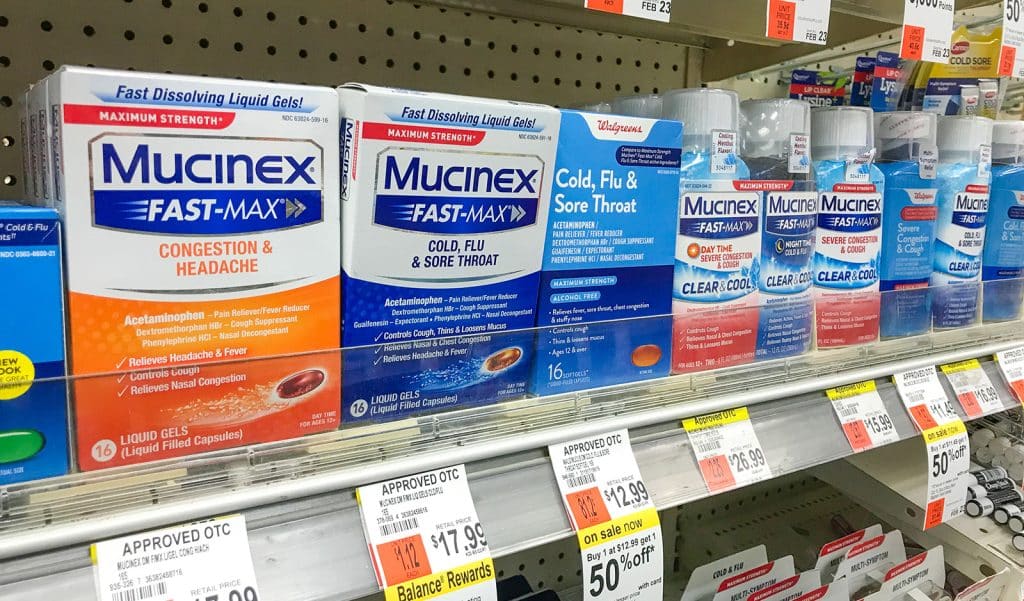
Can I Drink Alcohol While Taking Mucinex?
Mucinex with guaifenesin as its sole active ingredient doesn’t interact dangerously with alcohol, but that doesn’t mean that combining the two is completely safe. Mixing alcohol and Mucinex can cause unwanted side effects, including:
- Drowsines
- Diziness
- Stomach pain
- Rapid heart rate
Alcohol can also dehydrate and weaken your immune system, which may slow the healing process. It’s always best to stay sober while ill to help your body recover more efficiently
Can I Drink Alcohol While Taking Mucinex DM?
Mucinex DM works much like regular Mucinex except it contains dextromethorphan (DXM), a cough suppressant. Unlike guaifenesin, dextromethorphan can interact dangerously with alcohol.
Mild side effects of mixing alcohol and Mucinex may include:
- Drowsiness and fatigue
- Dizziness or lightheadedness
- Stomach pain or nausea
- Headache
- Reduced expectoration effectiveness (alcohol dehydrates the body, making it harder for guaifenesin to thin and loosen mucus)
More serious side effects can occur at higher alcohol intake levels:
- Rapid heart rate
- Vomiting
- Severe dehydration
- Worsened cold or flu symptoms
In addition to the side effects listed above for regular Mucinex, drinking alcohol on Mucinex DM carries more serious risks due to dextromethorphan:
- Internal bleeding
- Liver damage (both alcohol and DXM rely on liver metabolism, and the combined load can overwhelm the organ)
- Anxiety, confusion, and panic attacks
- Neurological damage
- Chronic respiratory suppression
- Seizures
- Loss of consciousness
Due to potentially life-threatening side effects, doctors advise against drinking any amount of alcohol while taking Mucinex DM. The combination is especially risky for people with liver problems, opioid dependencies, or those taking central nervous system (CNS) depressants.
Wait at least 4 to 12 hours after your last Mucinex dose after having a drink, or better yet, avoid it altogether for a week or two to give your body time to replenish the fluids, rest, and immune support it needs to fully recover. This applies to both Mucinex and Mucinex DM.
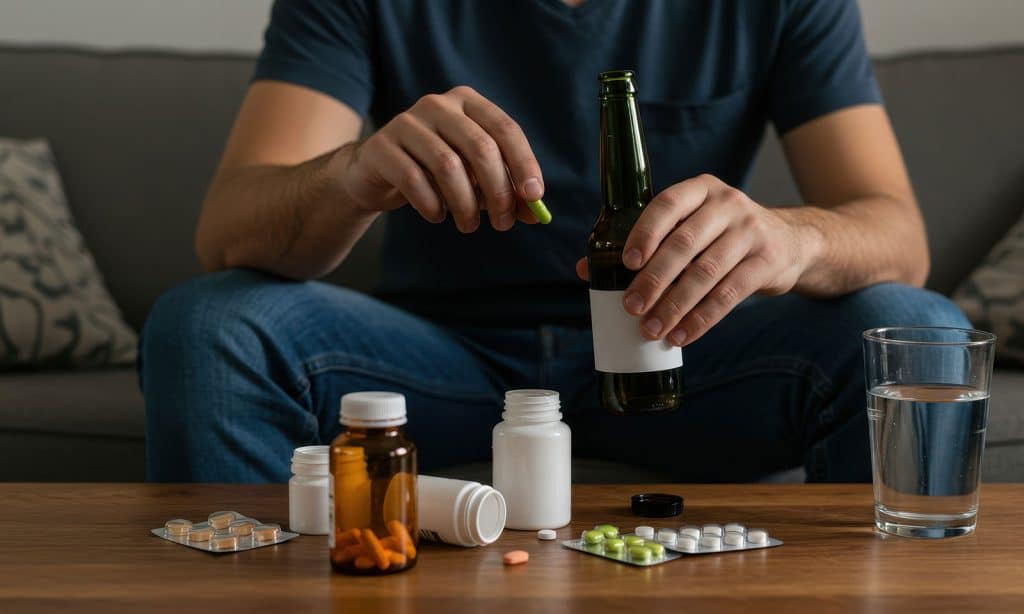
Can I Have a Drink or Two While On Mucinex?
Mucinex’s drug label states that people should avoid drinking three or more alcoholic beverages daily while taking Mucinex, implying that one or two drinks is generally considered acceptable.
Don’t take these warnings at face value. The contents of alcoholic drinks vary greatly, and even a smaller amount can cause unwanted side effects. You shouldn’t risk drinking even a glass of alcohol while on medication.
If you happen to drink alcohol while taking Mucinex accidentally, don’t panic. For most adults, a small amount of alcohol is unlikely to cause serious harm, especially if you’re taking regular Mucinex (guaifenesin only). However, you may experience increased drowsiness, dizziness, or dehydration, which can make your cold or flu symptoms worse.
If you’re taking Mucinex DM or a version that includes other active ingredients (like antihistamines or decongestants), the risk of side effects is higher. If you experience symptoms such as rapid heartbeat, confusion, or extreme drowsiness after a drink, stop drinking and contact a healthcare provider.
Can Drinking Mucinex With Alcohol Be Fatal?
Death from taking Mucinex and alcohol is extremely rare, but it can happen.
Several reports show that serious complications, such as respiratory depression, loss of consciousness, or organ failure, have occurred when large amounts of alcohol were combined with medications containing dextromethorphan or other sedating ingredients.
In many of these cases, individuals were intentionally mixing DXM with alcohol to experience a high. Both DXM and alcohol have stimulant and dissociative properties, and combining the two increases these effects.
Mixing alcohol with Mucinex can also slow down a person’s reaction time. They amplify each other’s side effects, making you feel extra drowsy or dizzy. This isn’t ideal when you’re driving or operating heavy machinery.
Similarly, some people experience heightened confusion or agitation when these substances are mixed in their system. They may act irrationally, hurting themselves or others in the process.
Risks for People with a History of Alcohol Misuse
For individuals living with alcohol use disorder (AUD) or a history of alcohol misuse, taking Mucinex products requires extra caution. People who drink heavily or regularly often have compromised liver function, even without a formal diagnosis. Since both alcohol and key Mucinex ingredients like acetaminophen and dextromethorphan rely on the liver for processing, the combined load increases the risk of liver damage and dangerous drug interactions.
Dextromethorphan misuse is a separate concern. DXM carries a known risk of dependency at higher-than-recommended doses, and combining DXM misuse with alcohol dramatically increases the risk of overdose, seizures, and respiratory suppression. Coexisting mental health conditions like depression and anxiety, which frequently co-occur with AUD, can also worsen when alcohol is mixed with cold and flu medications.
If you find it difficult to avoid alcohol even when you’re sick and taking medication, that pattern may point to a deeper issue worth exploring. Alcohol use disorder is a medical condition, not a personal failure, and effective treatment is available. Evidence-based approaches like behavioral therapy, counseling, and support groups have helped many people build healthier patterns. Your doctor or pharmacist can provide a referral to specialized care, or you can reach SAMHSA’s National Helpline at 1-800-662-4357 for free, confidential referrals 24/7.
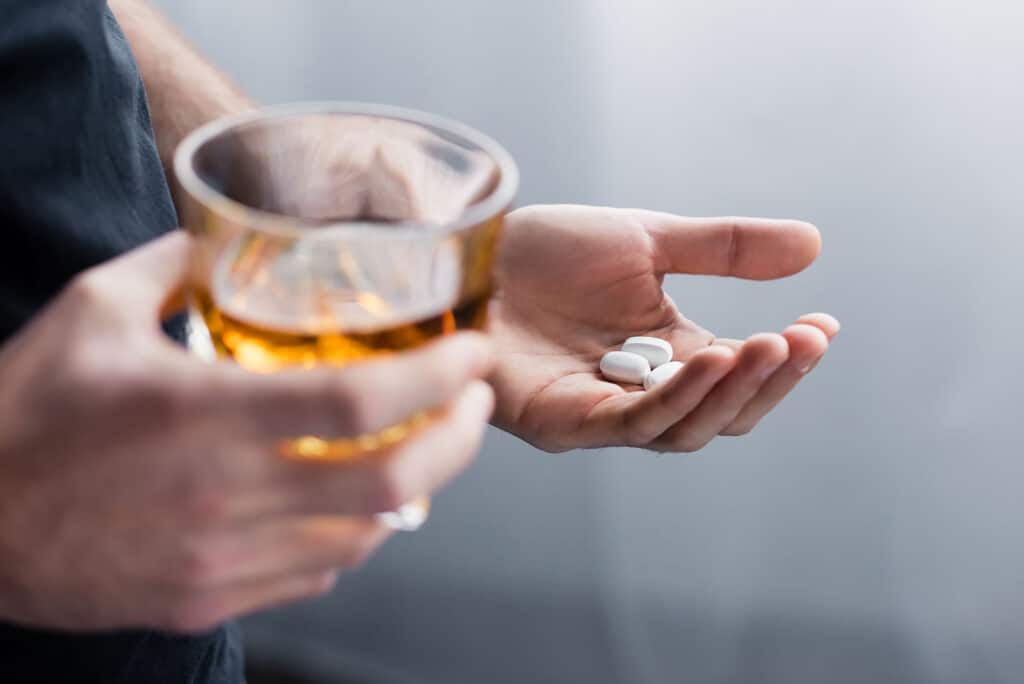
What Other Drugs Should I Avoid With Alcohol?
You shouldn’t mix any sort of drug with alcohol, especially when you’re ill.
Alcohol suppresses and weakens the immune system, making it harder for your body to fight off infections and recover.
Alcohol can also interfere with how medications work, reduce their effectiveness, or increase the risk of side effects. When combined, alcohol and certain drugs can cause dangerous interactions that affect your heart, liver, nervous system, or respiratory system.
Here are some common types of drugs that are particularly dangerous with alcohol:
- Painkillers (Opioids and Acetaminophen): Combining alcohol with opioids can increase the risk of respiratory depression, leading to slow or stopped breathing. Meanwhile, mixing alcohol with acetaminophen can cause severe liver damage.
- Antibiotics: Certain antibiotics, like Metronidazole, Tinidazole, Cefotetan, and Linezolid, negatively interact with alcohol, causing nausea, vomiting, rapid heart rate, high blood pressure or low blood pressure, or dizziness.
- Antidepressants: Alcohol can intensify the sedative effects of many antidepressants, increasing drowsiness and the risk of accidents. It can also worsen depression and anxiety symptoms.
- Anti-anxiety and sleep medications (Benzodiazepines): Mixing alcohol with anti-anxiety and sleep medications can cause sedation, respiratory depression, coma, or even death.
- Blood thinners: Alcohol can increase the risk of bleeding when taken with blood-thinning medications like warfarin.
- Diabetes medications: Alcohol can cause blood sugar levels to fluctuate dangerously when mixed with certain diabetes drugs.
Dangers of Combining Alcohol with Mucinex Containing Acetaminophen
Some Mucinex products, like Mucinex Fast-Max Cold & Flu, contain acetaminophen, a drug used to treat fever and relieve mild to moderate pain. Acetaminophen is also found in medications like Paracetamol.
Mixing alcohol with acetaminophen can result in extreme and potentially fatal side effects. Acetaminophen and alcohol both get processed in the liver, and when taken together, the liver gets overloaded. And when the liver gets overloaded, it can get permanently damaged.
Symptoms of liver damage include:
- Nausea or stomach pain
- Extreme fatigue
- Dark urine
- Yellowing of skin or eyes
Often, people who develop liver damage are the same individuals who consume alcohol regularly and take acetaminophen, putting extra stress on their liver.
Chronic alcohol use can make the liver more vulnerable to acetaminophen’s toxic effects, even at normal doses. Therefore, it’s especially important for people who drink alcohol frequently to be cautious with acetaminophen use and, in general, any other type of drug.
Those with existing liver problems should avoid alcohol entirely, as alcohol damages liver cells. Over time, alcohol can permanently reduce the liver’s ability to regenerate liver cells.

Other Than Alcohol, What Other Drinks Should I Avoid On Mucinex?
If you’re taking Mucinex to treat a cold and flu, avoid these drinks:
- Caffeinated beverages (coffee, tea, soda, energy drinks): Mucinex formulations that contain pseudoephedrine, like Mucinex D, can enhance the effects of caffeine, like jitteriness, increased heart rate, and nervousness. Limit caffeine intake while on Mucinex D, especially if you have preexisting heart conditions.
- Sugary beverages (sweetened juices, chocolate frappes): High sugar content can suppress immune function and promote inflammation, slowing down recovery from colds or flu. Sugary drinks also don’t do a great job of hydrating the body.
- Cold drinks: Cold beverages can worsen throat soreness or coughing.
- Acidic juices (orange juice, grapefruit juice, lemonade): Citrus juices can sometimes irritate a sore throat or stomach, especially when combined with medications. Grapefruit juice, in particular, is known to interfere with the metabolism of a lot of cold and flu drugs.
What Should I Drink While On Mucinex?
When recovering from a fever, cold, and/or flu, staying properly hydrated is key to a speedy recovery. Since Mucinex works by thinning and loosening mucus, drinking enough fluids helps maximize its effectiveness and shorten recovery time.
As you might expect, water is the best and simplest choice. Drink at least 8 to 10 glasses of water every day to stay well hydrated and thin mucus.
Herbal teas like chamomile, peppermint, or ginger also aid in recovery. They can soothe a sore throat, ease nasal congestion, and help make you sleep better. Just be sure to avoid store-bought ginger ale because it’s often high in sugar and may contain artificial ingredients that might exacerbate throat irritation.
If you’ve been sweating a lot, electrolyte drinks are your best friends. Sports drinks, coconut water, and fruit juices restore lost electrolytes and help with hydration.
For coffee and tea lovers, opt for decaffeinated versions to avoid dehydration and increased heart rate.
FAQs
What other medications are similar to Mucinex?
How long does it take for Mucinex to start working?
Can alcohol make cold or flu symptoms worse?
When should I seek medical help after mixing alcohol and Mucinex?

Conclusion
While Mucinex (guaifenesin) on its own doesn’t have dangerous interactions with alcohol, drinking while sick can worsen side effects, weaken your immune system, and slow recovery. The risks increase significantly with Mucinex DM (which contains dextromethorphan) or other formulations that include acetaminophen, antihistamines, or decongestants. These combinations can harm the liver, heart, or nervous system when mixed with alcohol.
If you accidentally have a drink while on Mucinex, it’s unlikely to be fatal, but you may feel more drowsy, dizzy, or dehydrated. To get the most out of your treatment, it’s best to avoid alcohol altogether until you’ve fully recovered. Instead, focus on hydration with water, herbal teas, and electrolyte-rich drinks to support your body as it heals.