


Amoxicillin is a group of antibiotics belonging to the penicillin family. It’s used to treat bacterial infections like strep throat, middle ear infections, skin infections, urinary tract infections (UTIs), and odontogenic (teeth) infections. Common brands include Moxilin, Amoxil, Trimox, and Sumox.
Amoxicillin is one of the most prescribed antibiotics in outpatient settings, accounting for nearly 20% of all antibiotic prescriptions since it’s so common, individuals who regularly drink wonder whether it’s safe to take amoxicillin with alcohol.
This article answers the question “Can you drink while on amoxicillin?” as well as whether or not it can be fatal, what other drugs you should avoid while on amoxicillin, and whether amoxicillin can be addictive.
Can I Drink Alcohol While Taking Amoxicillin?
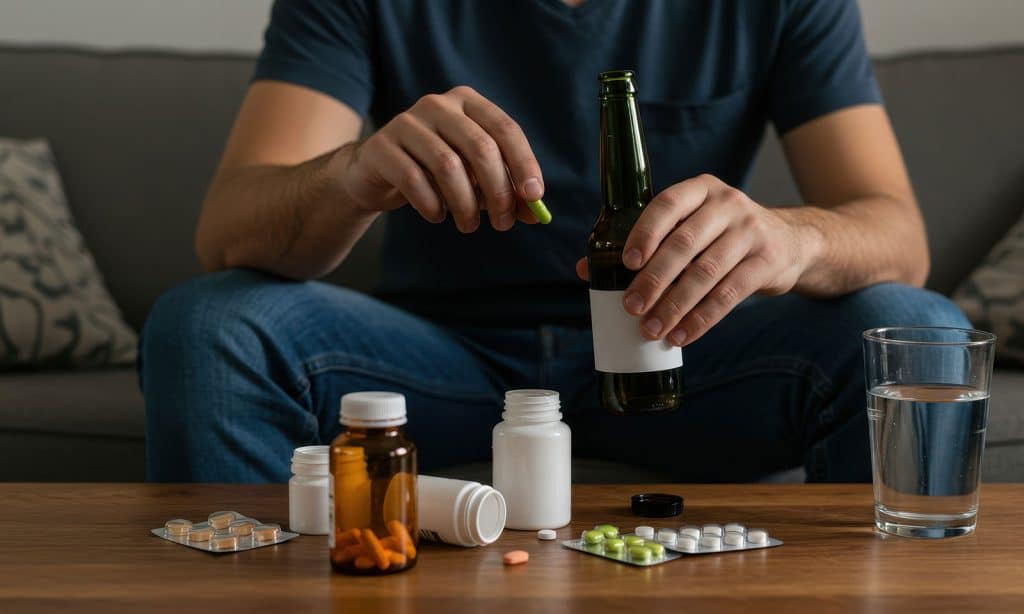
Amoxicillin doesn’t interact with alcohol and doesn’t stop the medication from working. However, this doesn’t mean that it’s completely safe to combine alcohol with amoxicillin. Alcohol use may worsen the side effects associated with the drug, such as:
- Nausea
- Vomiting
- Diarrhea
- Dizziness or lightheadedness
- Fatigue or drowsiness
Additionally, alcoholic drinks can impair your immune system and slow down the healing process, making it harder for your body to fight off the infection effectively.
So while alcohol doesn’t directly interfere with amoxicillin, it could potentially reduce how well the treatment works.
Since alcohol weakens the immune system, the drug may need to work twice as hard to fight off the infection, prolonging recovery.
There’s also the fact that alcohol increases the risk of dehydration. When you’re fighting off a bacterial infection, staying well-hydrated is the first step to recovery. Alcohol is a diuretic and depletes your body’s fluid storage, leaving it unable to flush out bacteria and fight infection.
For these reasons, it’s always best that you avoid or limit alcohol consumption while taking amoxicillin to maximize the drug’s potency and effectiveness. Bacterial infections usually don’t last more than a week or two, so avoid the bottle till then.
Can Taking Alcohol With Amoxicillin Be Fatal?
As of 2025, there are no reported cases or medical reports showing that drinking alcohol while taking amoxicillin is fatal. Alcohol doesn’t directly interact with alcohol or reduce its effectiveness.
That said, there have been reports of deaths directly linked to amoxicillin overdose or allergic reactions.
An amoxicillin overdose can result in kidney problems, gastrointestinal issues like vomiting, nausea, diarrhea, stomach pain, seizures, and bruising or abdominal bleeding.
Meanwhile, those who are hypersensitive or allergic to amoxicillin may develop swelling on the face, lips, or tongue, difficulty breathing, widespread rash, blistering or peeling skin, and severe itching.
All this is to say that amoxicillin, while generally one of the safer antibiotics, can still pose risks in certain circumstances. Alcohol can increase the likelihood of these unwanted side effects.
Furthermore, some people might mistakenly believe that alcohol reduces the medication’s effectiveness and take higher doses to compensate, which can lead to an increased risk of overdose or toxicity.
I Accidentally Had Alcohol While On Amoxicillin. Should I Be Worried?
Having a drink or two while on amoxicillin is unlikely to cause serious side effects. You may experience mild discomfort such as dizziness, drowsiness, and nausea, but they should clear up fairly quickly.
If you begin to feel unusually unwell, or if symptoms like vomiting, severe stomach pain, or allergic reactions occur, contact your healthcare provider right away.
What Other Antibiotics Should I Avoid Mixing With Alcohol?
Here are common antibiotics that you should avoid mixing with alcohol, as well as their side effects:
- Metronidazole (Flagyl) and Tinidazole (Tindamax): Mixing alcohol with these medications can cause a disulfiram-like reaction, which includes symptoms like flushing, vomiting, headache, dizziness, chest pain, abdominal pain, and increased heart rate. These reactions can range from mild to life-threatening.
- Linezolid: When combined with red wine or beers containing tyramine, linezolid can cause dangerously high blood pressure, altered mental state, and fever.
- Cefotetan: Can cause headaches, irregular heartbeat, sweating, flushing, vomiting, and tingling sensations. Avoid alcohol for at least 3 days (72 hours) after your last dose.
- Fluoroquinolones (ciprofloxacin and levofloxacin): May cause confusion, memory loss, and disorientation when combined with alcohol. It may also increase the risk of developing fluoroquinolone side effects, like tendon rupture, nerve damage, and gait disturbance.
Other Than Alcohol, What Other Drinks Should I Avoid While On Amoxicillin?
Amoxicillin is a mild drug and is generally well tolerated, so outside of alcohol, there aren’t any specific drinks you should avoid while on the medication.
If you have a sensitive stomach, avoid acidic drinks like citrus juices or sodas as they may irritate the stomach lining. You should also limit your caffeine consumption. If you want to drink coffee or tea, opt for low-caffeine or decaf variants.
What Drugs Should I Avoid While On Amoxicillin?
Amoxicillin can interact with several medications, increasing the risk of common side effects and reducing its effectiveness. These include:
- Oral anticoagulants (blood thinners): Combining amoxicillin with blood thinners like Apixaban (Eliquis), Dabigatran (Pradaxa), Edoxaban (Lixiana) can increase the risk of bruising or bleeding, as well as how well the blood clots.
- Oral birth control pills containing estrogens and progestins: Amoxicillin may reduce the effectiveness of birth control pills, increasing the risk of unwanted pregnancy.
- Grout medication like allopurinol: May increase the chance of developing a skin rash, which can sometimes lead to severe or more serious skin reactions.
- Probenecid: May increase amoxicillin levels in the blood, increasing amoxicillin-related side effects.
In addition to these drugs, amoxicillin may also cause a false-negative in glucose (blood sugar) tests, so it’s best avoided when you’re scheduled for lab work.
And though generally safe to take during pregnancy, amoxicillin may still affect hormone levels. Always seek medical advice when taking new medication to avoid pregnancy or nursing issues.
Amoxicillin can also cause issues in people with kidney issues, mononucleosis (herpes virus), and Phenylketonuria (increased build-up of the phenylalanine amino acid), as it may exacerbate these conditions.
You can find a full list of antibiotic interactions on the drugs.com website, which lists 64 medications that may interact with amoxicillin.

Can Amoxicillin Be Addictive?
Amoxicillin—and antibiotics in general—aren’t addictive. Unlike central nervous system (CNS) drugs like opioids, benzodiazepines, stimulants, and barbiturates, antibiotics don’t activate the brain’s reward system in a way that leads to compulsive drug-seeking behavior.
However, antibiotics can still be misused or overused, leading to serious consequences like antibiotic resistance.
In the 2011 study “An empirical analysis of habit and addiction to antibiotics,” professors Massimo Filippini and Giuliano Masiero discuss how people who regularly use antibiotics can develop habit-like behavior.
Even though individuals are aware of the risks, they may continue to use antibiotics regularly out of routine or convenience, which makes controlling overuse challenging.
In this way, addiction may be possible—just not in the traditional sense. Antibiotics don’t cause cravings or physical dependence, so the overreliance on antibiotics is purely psychological (as opposed to substance use disorder, which involves both physical and psychological dependence).
Frequently Asked Questions (FAQs)
When can I drink alcohol after using amoxicillin?
Is it safe to cook with alcohol while on amoxicillin (e.g., in sauces)?
Are there withdrawal symptoms after stopping long-term use of amoxicillin?
What happens if I accidentally double my dose of amoxicillin?
Can I drive or operate machinery while on amoxicillin?
Is it safe to take amoxicillin if I have a history of substance use disorder (SUD) or liver issues from alcohol?
Do all penicillins have the same interaction risk with alcohol?

Conclusion
Amoxicillin is a widely prescribed antibiotic that’s generally safe and effective when taken as directed. While drinking alcohol with amoxicillin isn’t considered dangerous or fatal, it can worsen side effects like nausea, dizziness, and fatigue, and may slow your recovery by weakening the immune system. For this reason, avoiding alcohol until your course of treatment is finished is the best way to ensure a smooth recovery.
If you accidentally drink while on amoxicillin, you’re unlikely to experience severe consequences, but it’s always wise to monitor your symptoms and consult a healthcare professional if you feel unwell. More importantly, be mindful of other medications and health conditions that may interact with amoxicillin.
Used responsibly and under medical supervision, amoxicillin remains a safe and powerful tool against bacterial infections—just be sure to pair it with healthy habits to get the best results.