

If you’re feeling stuffy and uncomfortable, Sudafed can be a brilliant remedy to clear up your nasal congestion, and the best part is that it doesn’t require a prescription like many antihistamines.
That being said, a prescription-free medication can still have negative consequences if not used properly. For instance, you should be careful not to mix sudafed with some other drugs, including alcohol.
In today’s guide, we’ll take an in-depth look at Sudafed, covering all the potential effects of mixing it with alcohol. Let’s dive right in!
A Brief Overview of Sudafed and How it Works
Understanding what Sudafed is and how it works is essential for other information in this guide. So let’s start with a brief round-up of the drug.

Sudafed is one of the most popular brand names for pseudoephedrine, an over-the-counter (OTC) active ingredient used to treat a variety of symptoms, including:
- Sinus issues
- Nasal congestion
- Common colds
- Fever
- Asthma
As a natural stimulant, the drug exerts its nasal-relieving effects by constricting the blood vessels supplying the nasal passage. This results in reducing the congestion and swelling of the sinuses, which causes the “cleared nose” sensation after using the drug.
What makes pseudoephedrine unique is that, unlike many other stimulants, its side effects are quite milder.
In other words, it can still cause high blood pressure, rapid breathing, tachycardia (increased heart rate), and tremors. Yet, these effects are much less likely to manifest while using the safe dose of the drug and without mixing it with other drugs.
Still, since it can be used to manufacture stronger stimulants, such as amphetamines and methamphetamines, there are various restrictions regarding its purchase across the United States.
How Does Alcohol Affect Our Bodies?
Now that we’ve covered Sudafed, here’s a quick look at alcohol from a chemical point of view, and how it impacts the body.
Alcohol is a strong chemical that affects nearly every organ in your body, and contrary to popular belief, alcohol is actually a central nervous system depressant, not a stimulant.

Once you consume alcohol, it travels from your stomach and small intestine into your bloodstream. From there, it reaches your entire body, including your brain.
Alcohol disrupts the communication between brain cells, which can impair your judgment, coordination, and speech. It can also lead to memory problems, drowsiness, and blackouts due to severe intoxication.
It also has potent effects on various organs of the body, especially the liver, which is responsible for metabolizing alcohol. In fact, heavy drinking can lead to conditions like alcohol poisoning and cirrhosis.
Additionally, the side effects of alcohol are far-reaching and can impact a wide range of organs across the body, including:
- Heart: Can lead to high blood pressure and other heart problems
- Nervous system: Drinking alcohol excessively leads to permanent nerve cell damage, leading to impaired mental health
- Compromised immune system: Extreme alcohol use can weaken your immune system, making you more susceptible to infections.
- Organ damage: Besides the liver, alcohol can also affect other organs of the body, such as the pancreas (causing pancreatitis) and the stomach (causing severe irritation of the stomach lining)
Due to excessive alcohol interactions with other compounds, mixing alcohol with other drugs often leads to an increased risk of side effects in addition to worsening them.
Is It Safe to Mix Sudafed and Alcohol?
While Sudafed and alcohol won’t necessarily cause a severe adverse reaction, mixing them is still generally discouraged for several reasons. Here’s a quick look at some of the main reasons why you shouldn’t combine them:
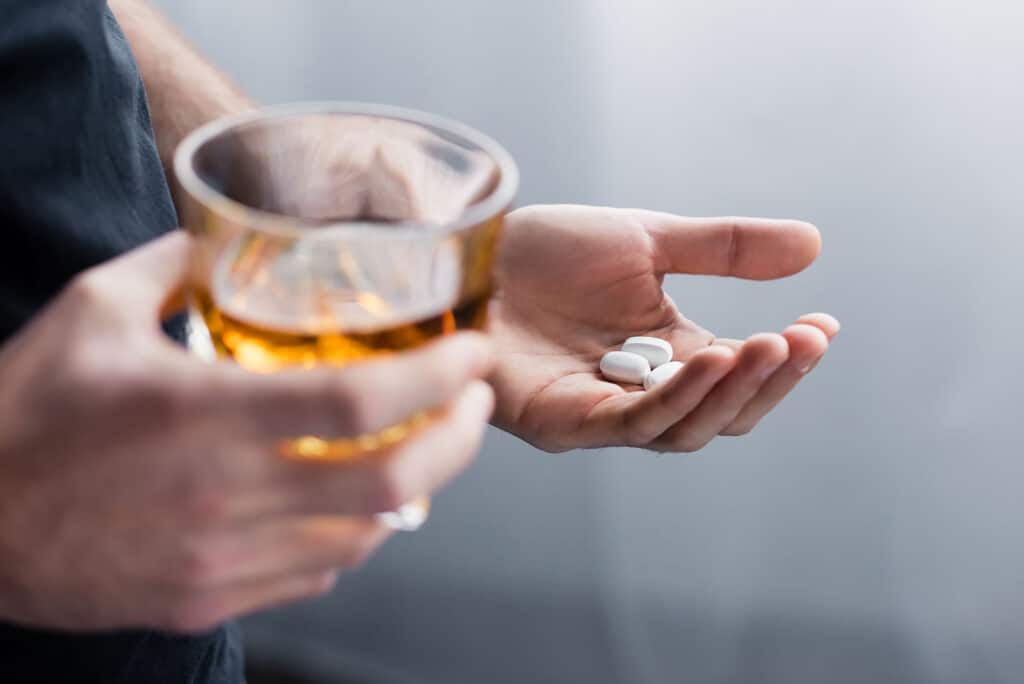
Alcohol Reduces the Effectiveness of Sudafed
Since one drug is a stimulant and the other is a depressant, it’s no surprise that the two drugs go in the opposite direction when it comes to their effects on the body.
In fact, several studies have shown that alcohol consumption can directly contribute to nasal congestion, which defeats the decongestant properties of Sudafed and reduces its overall effectiveness.
Higher Risks of Manifested Side Effects
While the two drugs possess different effects on the body, they can still amplify certain side effects of each other.
For example, both substances can induce drowsiness and dizziness, and taking them together can significantly worsen these effects. This can be dangerous if it impairs your coordination or reaction time, increasing the risk of accidents or falls.
Similarly, Sudafed can cause a rise in heart rate and blood pressure. Alcohol can have a similar effect, and combining them can put additional strain on your cardiovascular system.
Sudafed Can Mask the Symptoms of Drug Intoxication
One of the dangers of mixing Sudafed and alcohol is that Sudafed can hide the effects of intoxication caused by alcohol.
As previously established, alcohol slows down the central nervous system, producing a sense of inebriation. Meanwhile, the stimulant properties of Sudafed have a counteracting effect, making you feel more alert.
This can be misleading because you might continue drinking even though you’re already significantly intoxicated, which can lead to serious complications including life-threatening alcohol poisoning
Side Effects of Sudafed and Alcohol
| Side Effect | Sudafed | Alcohol | Combined Risk |
|---|---|---|---|
| Increased heart rate | Yes – pseudoephedrine stimulates the cardiovascular system | Yes – especially during heavy consumption | Significantly elevated heart rate and added strain on the heart |
| High blood pressure | Yes – caused by blood vessel constriction | Yes – particularly with chronic or heavy use | Can spike to dangerous levels, especially in people with existing hypertension |
| Dizziness | Yes – a common side effect of pseudoephedrine | Yes – caused by alcohol’s effect on the central nervous system | Amplified dizziness that increases fall and accident risk |
| Drowsiness | Yes – though less common than with antihistamines | Yes – a primary effect of alcohol as a depressant | Heightened drowsiness that can impair coordination and reaction time |
| Insomnia | Yes – due to Sudafed’s stimulant properties | Yes – alcohol disrupts normal sleep cycles | Unpredictable sleep disruption from competing stimulant and depressant effects |
| Nausea | Yes – can occur at higher doses | Yes – especially with excessive consumption | Greater likelihood of stomach irritation and vomiting |
| Anxiety and restlessness | Yes – a known stimulant side effect | Yes – common during the comedown or withdrawal phase | Increased agitation and nervousness |
| Tremors | Yes – possible at higher doses | Yes – a hallmark symptom of alcohol withdrawal | More pronounced tremors when both substances are in the system |
| Headache | Yes – related to blood pressure changes | Yes – caused by dehydration and vasodilation | Compounded headaches from conflicting effects on blood vessels |
Alcohol Withdrawal Symptoms
For individuals who drink heavily or regularly, stopping alcohol abruptly can trigger withdrawal symptoms. Understanding these is important because taking Sudafed during active withdrawal can worsen several of them.
| Withdrawal Stage | Timeline | Common Symptoms | How Sudafed May Worsen Them |
|---|---|---|---|
| Mild withdrawal | 6 to 12 hours after the last drink | Anxiety, insomnia, nausea, tremors, sweating, headache | Sudafed’s stimulant effects can intensify anxiety, insomnia, tremors, and elevated heart rate |
| Moderate withdrawal | 12 to 48 hours after the last drink | Increased blood pressure, rapid heart rate, confusion, mild fever | Pseudoephedrine adds further cardiovascular strain and can worsen hypertension and tachycardia |
| Severe withdrawal (delirium tremens) | 48 to 72 hours after the last drink | Hallucinations, seizures, severe agitation, dangerous spikes in blood pressure and heart rate | Sudafed should be avoided entirely — the added stimulant load can be life-threatening in this stage |
Note: Alcohol withdrawal can be medically dangerous. Anyone experiencing moderate to severe withdrawal symptoms should seek professional medical help immediately rather than attempting to manage symptoms at home.
Other Common Drug Interactions with Sudafed
Sudafed can interact with several other medications, which can cause a wide range of adverse effects or reduce their effectiveness. Here’s a quick look at them:

Monoamine Oxidase Inhibitors
The most serious interaction of Sudafed is with MAO inhibitors, which function as sedatives, antidepressants, and treatments for Parkinson’s disease. This group includes various drugs, mainly phenelzine or tranylcypromine.
Combining the two medications can lead to a massive spike in blood pressure, and the problem here is that MAO inhibitors last for weeks in your system, so you have to wait longer before taking potentially interacting drugs.
Tricyclic Antidepressants
These are another group of antidepressants that work by affecting serotonin levels in the brain. Taking Sudafed with tricyclic antidepressants can increase the risk of insomnia and anxiety during the treatment course.
That’s why seeking medical advice to treat nasal congestion while using tricyclic antidepressants is essential
Alpha Blockers
Alpha-blockers are mainly used to treat enlarged prostate in men. Using Sudafed while on alpha blockers can increase urine retention, which reduces the effectiveness of the drug.
Sleep Medications
Since Sudafed is a stimulant, it can counteract the effect of many sedatives and sleep medications used to treat insomnia.
Some of these drugs also have an addictive potential upon misuse, which increases the risk of dependence when patients increase the dose on their own to counteract the effect of Sudafed.
Other Stimulants
Combining various stimulants can increase the effects of the drugs even more than the individual sum of the effectiveness of each drug. This is known as synergism and is widely common among drugs of the same functionality.
The problem here is that too much stimulant can result in exacerbated side effects, such as increased alertness, irritability, insomnia, and heart problems.

Common Misconceptions About Mixing Sudafed and Alcohol
There are several myths surrounding the combination of Sudafed and alcohol that can lead to risky decisions. Let’s clear up some of the most common ones:
Myth: Sudafed and Alcohol Don’t Have a Direct Interaction, So Mixing Them Is Fine
While it’s true that Sudafed and alcohol don’t produce a single dangerous chemical reaction like some drug combinations, that doesn’t mean mixing decongestants with alcohol is safe. The two substances still amplify each other’s side effects, including increased drowsiness, dizziness, and cardiovascular strain.
Myth: Sudafed Cancels Out Alcohol, So You Can Drink More
Because Sudafed is a stimulant, some people believe it counteracts alcohol’s depressant effects and keeps them sober. In reality, Sudafed only masks the feeling of intoxication — it doesn’t reduce your blood alcohol level or prevent heightened intoxication. This false sense of alertness can lead to dangerous overconsumption.
Myth: Mixing Before Bed Is Safe Because You’ll Sleep It Off
Some people assume taking Sudafed with a drink before bed is harmless. However, mixing stimulants with a depressant can disrupt your sleep cycle, increase your heart rate while you rest, and lead to severe adverse effects that go unnoticed while you’re asleep.
Myth: Only Prescription Medications Have Dangerous Alcohol Interactions
Over-the-counter medications like Sudafed still carry real risks when combined with alcohol. Always check the ingredient list on any medication and read the label warnings before drinking, even with drugs that don’t require a prescription.
Populations at Higher Risk When Mixing Sudafed and Alcohol
While mixing Sudafed and alcohol is discouraged for everyone, certain groups face significantly greater risks. If you fall into any of the categories below, you should be especially cautious and consult a healthcare provider before using either substance.
| Population | Key Risk Factors |
|---|---|
| Pregnant women | Both substances can harm fetal development. Pseudoephedrine may reduce blood flow to the uterus, and alcohol poses well-documented risks during pregnancy. |
| Breastfeeding women | Pseudoephedrine passes into breast milk and may reduce milk production. Alcohol also transfers to breast milk and can affect the infant. |
| Children under 2 years old | Pseudoephedrine is not recommended for very young children due to the risk of serious side effects. Alcohol should never be given to children. |
| Older adults | Age-related changes in metabolism make both substances harder to process, increasing the risk of falls, confusion, and cardiovascular events. |
| People with hypertension or heart disease | Sudafed raises blood pressure and heart rate. Alcohol can do the same. Together, they place significant strain on the cardiovascular system, increasing the risk of blood vessel disease. |
| People with glaucoma | Pseudoephedrine can increase intraocular pressure, potentially worsening glaucoma symptoms. |
| People with an overactive thyroid | Sudafed can intensify symptoms of hyperthyroidism, such as rapid heart rate and anxiety, and alcohol adds further metabolic stress. |
| People with an enlarged prostate | Sudafed can worsen urinary retention, a common issue for men with an enlarged prostate. Alcohol acts as a diuretic, compounding bladder-related discomfort. |
| People with type 2 diabetes | Alcohol can cause unpredictable blood sugar fluctuations, and Sudafed may interfere with certain diabetes medications. |
When to Consume Alcohol Before and After Using Sudafed?
As a general rule, it’s best to avoid alcohol altogether while taking Sudafed, as mixing them can cause a wide range of side effects and interactions that we’ve previously discussed.
For that reason, you need to wait anywhere between 24 to 36 hours until the effects of one drug are completely worn off before taking the other.
Keep in mind that this waiting period may extend if you use sustained-release versions of Sudafed. That’s why it’s always best to err on the side of caution and consult a doctor or a pharmacist for the ideal waiting time for your situation.
What to Do If You Consumed Alcohol and Sudafed?
If you accidentally consumed alcohol and Sudafed, here’s what to do. First and most importantly, you shouldn’t panic. This is because in most cases, consuming a moderate amount of alcohol with a single dose of Sudafed won’t cause a severe reaction.
Be aware of how you’re feeling, and look out for any signs of adverse reaction, such as increased dizziness, drowsiness, or a rise in heart rate.
If you experience any discomfort or these symptoms start worsening, seek medical attention immediately.
Of course, you should stop consuming any alcohol and try to purge it by drinking plenty of water. Staying hydrated is essential to help both substances leave your body quicker.
Once you’ve established you’re okay with no severe side effects, you may want to get some rest in a safe environment while keeping your loved ones informed to keep an eye on you.

Seeking Alcohol Addiction Treatment in Illinois
While responsible alcohol consumption can be fine as long as it stays in moderation, you should always be aware and cautious of its dangers, especially when you end up mixing it with medications like Sudafed.
You should also note that alcohol is a highly addictive substance that can significantly impact a person’s health, relationships, and overall well-being.
If you or someone you know is struggling with alcohol dependence in Illinois, Illinois Recovery Center is here to help.
Contact us to book a consultation session with an expert to help you start your journey towards abstinence.